




















National security for sale
text_fields

The Modi government has approved the transfer of conventional missile technology developed for protection of national security by the Defence Research and Development Organisation (DRDO) to private defence research institutes and arms manufacturing companies in India. The Defence Ministry explained that the move is part of the Atmanirbhar initiative aimed at achieving self-reliance in the defence sector. The government also claims that this move will be a significant step towards encouraging greater participation of domestic industries in the defence sector. It was in last December that The 'Shanti Act', which allows private participation in the nuclear energy production sector, came into force; and it is just less than a month since launch vehicle technology developed by the Indian Space Research Organisation (ISRO) was finally handed over to the private sector. Meanwhile, reports have emerged in recent days that the government is moving to privatise the manufacture of key missiles and bombs, including nuclear warheads, which were previously the monopoly of public sector enterprises in the country. It is against this backdrop that the Ministry of Defence has now issued a press release stating that it has decided to transfer conventional missile technology, a critical component of India's defence systems, to the private sector.
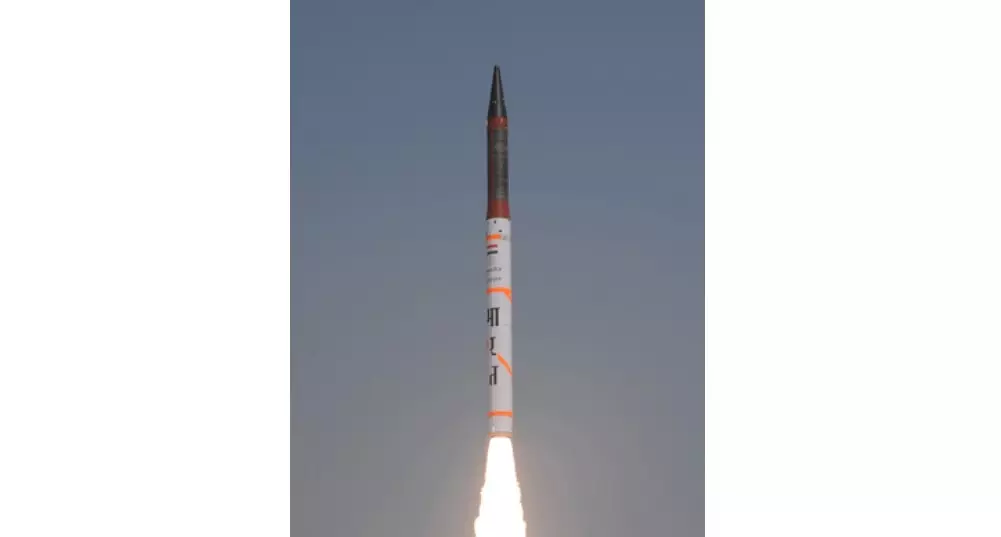
Private participation in weapons manufacturing and research is not a new concept. In many countries, defence production has grown through public-private partnerships. However, unlike in other sectors, the relevant question is how well India can address the complications created by private participation in defence production and research. Currently, the manufacture of products developed by DRDO is entrusted to public sector undertakings such as Bharat Dynamics Limited (BDL) and Hindustan Aeronautics Limited (HAL). India also has some products developed in-house by DRDO itself. In addition, the country uses supersonic cruise missiles developed by BrahMos Aerospace Limited with Russian assistance for defence purposes. Weapons are also imported from countries such as the US and Israel. At the same time, there is extensive weapons research and development in India's private sector. It is estimated that more than 600 companies are engaged in such activities. These include business giants such as Adani and Tata. The central government has ensured their entry through the new move. The press release issued by the ministry only states that the proposal is to transfer conventional missile technology. Conventional missiles are fired with warheads containing a mixture of RDX and TNT. However, reports indicate that air defence systems, air-launched Astra missiles and anti-radiation missiles such as Rudram, anti-tank guided missiles such as NAG, and naval anti-ship missiles will also come under the purview of the new agreement. If true, this means that a large part of the missile technology developed by DRDO, the result of the efforts of hundreds of researchers over five decades using public funds, is being handed over to private companies. Giving away this technology, which is not only the country's wealth but also extremely crucial to national security, to corporates for free could lead to serious dangers.
Even if it is argued that the technology is being shared only with private institutions and start-ups within the country, how can one be sure that it will not become accessible to neighbouring countries? Moreover, once private institutions gain access to critical weapons technology, they will be able to influence and interfere in the government's policy decisions. This risk is already evident in countries including the US. It is already clear that such institutions play a major role there, including in determining the electoral policies of political parties. This is not impossible in India either. The Adani Group laid the foundation stone for a Rs 2,500-crore missile project in Shivpuri, Madhya Pradesh, a few months ago. The Adani Group already operates a factory manufacturing pistols and machine guns. ICOMM, the defence research arm of the Megha Group, which contributed the largest amount to the BJP through electoral bonds, along with Tata and Nuwal's Solar Group, have all been engaged in weapons research in recent times. It is clear enough who stands to benefit from the central government's new policy. The government should immediately withdraw from this step, which has handed over yet another crucial area of national security to corporates.