Malady is clear, so is treatment. But...
text_fields

The 31st UN Climate Change Conference (COP 31) is taking place in Antalya, Turkey, amidst a dire situation that validates the words of environmental activist Greta Thunberg, "The Earth is not dying; it is being killed". Pollution and atmospheric carbon levels have reached all-time highs. The hole in the ozone layer—the Earth’s protective shield—has widened once again. Signs of a complete breakdown in climate patterns are visible across the globe, and the environment’s natural self-regulating mechanisms are beginning to collapse, one by one. It has become clear that the goal set at the Paris Agreement—to limit global warming to 1.5 degrees Celsius—is no longer achievable. The tendency to destroy nature in the name of development has not only persisted but is intensifying significantly in the era of artificial intelligence. Data centres are draining precious water resources. The world lacks a unified leadership to address these issues; major powers, including the United States, have weakened global institutions like the UN by sidelining and dismissing them. Into the void created by this lack of leadership, has erupted war—the most extreme form of environmental destruction. It is amidst all this that the climate summit arrives, appearing like a faint glimmer of hope.
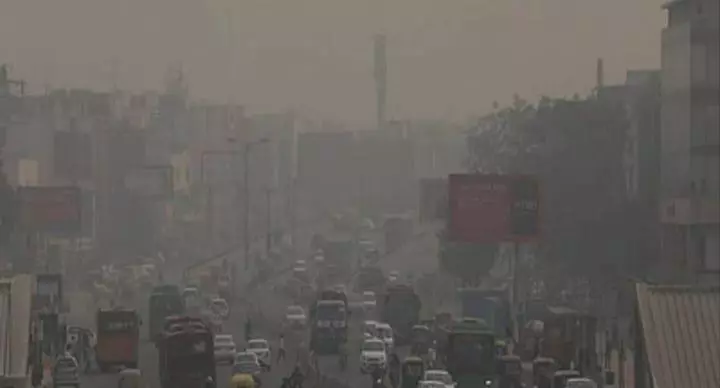
Fossil fuels are the primary cause of the climate crisis. Consequently, a central objective of climate summits from the very beginning has been to reduce the use of fuels such as coal, oil, and gas. However, this effort has faced fierce opposition from international oil companies. By offering various counter-arguments—ranging from claims that the climate crisis does not exist to assertions that the opposition to fossil fuels is merely a manifestation of the self-serving politics of developing nations—and through aggressive lobbying, these companies have long obstructed attempts to find solutions. Meanwhile, as these fossil-fuel giants continue to thrive—profiting even from the markets of war—the world has begun to slide towards an irreversible collapse. Extreme weather disasters have become frequent; the number of climate refugees is on the rise; food and water scarcity looms as significant threats; new diseases are emerging; atmospheric pollution has reached critical levels; and the world is witnessing rising sea levels and the submergence of small islands. The problem is clear, and so is the solution. What is now required is firm resolve, a precise action plan, and its effective implementation. Major nations bear the greatest responsibility for the climate crisis, while small nations are its primary victims. Climate justice must be at the core of any solution. It is also essential to provide support to economies that may face strain during the transition to new energy systems.

One of the key focuses of COP31 is to generate as much electricity as possible using clean energy sources rather than fossil fuels. The goal—referred to as "35X35"—is to ensure that by 2035 at least 35 per cent of global electricity demand is met through renewable energy. (Currently, this figure stands at 23 per cent.) Other objectives include halving the volume of global waste, reducing energy consumption in the construction sector, fostering "green industrialization," and raising public awareness. These actions are all urgently required. The tragedy, however, is that commitments often go unfulfilled; most of the decisions made at the Paris Summit remained merely on paper. Furthermore, the financial assistance promised by major nations proved to be inadequate. Even what was promised has not been delivered. It seems that even the heads of European nations do not attach much importance to the summit currently taking place in Europe itself. America’s withdrawal from the Paris Agreement served as yet another act of betrayal. India, too, has reservations regarding certain proposals. Although the problem is widely understood by all—and the solutions are clear—the necessary global mechanisms or consensus have yet to emerge. There is a need for a precise, rigorous action plan, accompanied by a clear timeline for its implementation. Above all, the world must move toward a unified path to a solution, free from conflict. This requires peace and justice. Any solution divorced from justice will prove ineffective.