









This U-turn must be extended nationwide
text_fields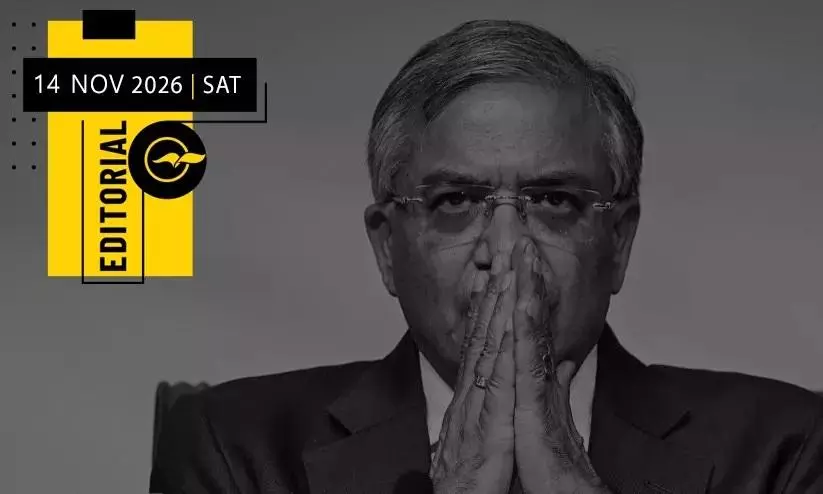

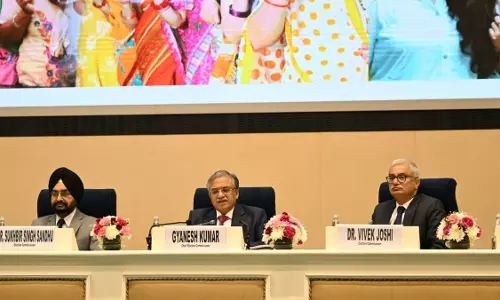
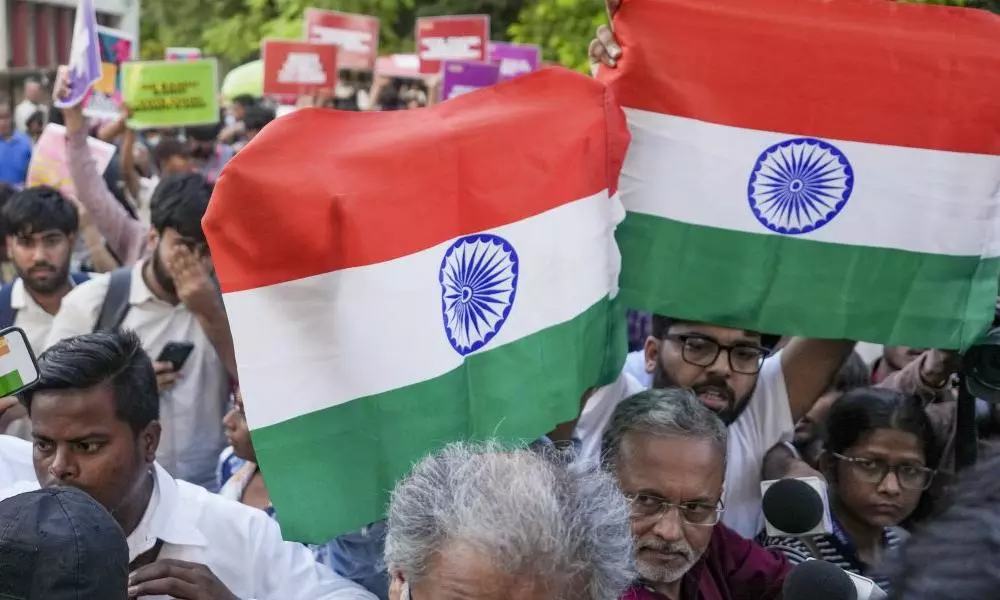
Opposition political parties, youth movements, student organisations and civil society groups across the country took to the streets for days, demanding the resignation of Chief Election Commissioner Gyanesh Kumar, who had paved the way for large-scale voter fraud under the guise of the Special Intensive Revision (SIR) of electoral rolls. The protests marked one of the most unprecedented episodes in the history of post-independence India. 'Jantar Mantar' protest centres are springing up across the country, questioning the SIR procedures and exposing Gyanesh's subservience to the government. Meanwhile, mainstream political movements and others have also taken the issue to the Supreme Court. Although the court did not accept the demand for the Chief Election Commissioner's resignation, Gyanesh Kumar came under pressure after the Supreme Court upheld the concerns and allegations raised by the petitioners regarding the SIR procedures. This forced the Election Commission to make minor changes to its SIR practices. One such change is the Commission's decision to give another opportunity to those excluded from the draft electoral rolls in the seven states where the SIR process is currently underway to have their names included. This can be described as a definite 'U-turn' from the Commission's earlier position. The reversal can also be termed as the first victory of the ongoing popular movement against Modi fascism and vote theft. However, concerns over the SIR have not completely subsided.
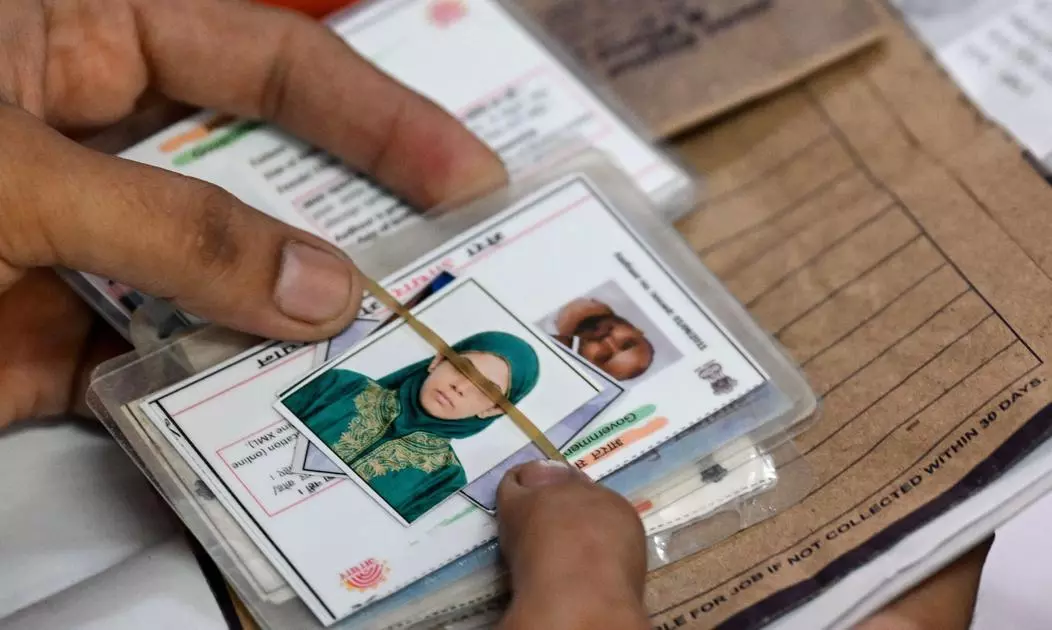
The Election Commission had earlier made some minor changes to the SIR procedures in response to mounting protests against the Central Government and the Election Commission, followed by the Supreme Court's intervention. However, the latest 'U-turn' is different. The new change opens the possibility of restoring the names of 4.52 crore voters excluded from the SIR electoral rolls in seven states — Delhi, Maharashtra, Haryana, Andhra Pradesh, Jharkhand, Telangana and Nagaland. This concession can be availed of by those excluded under the categories of 'absent, change of address, deceased and duplicate' voter, as well as those who could not submit their enumeration forms within the stipulated time. Earlier, those excluded due to a change of address and other reasons had to fill in Form 6 and make a false declaration claiming to be new voters. Under the new circular, this is no longer necessary. They can have their names restored to the electoral rolls by submitting the enumeration form along with a declaration of their new address. The issue of people living in slums who were removed from the rolls after being evicted from their homes has also been addressed. With the help of field inspection reports submitted by Booth Level Officers (BLOs), such excluded voters have also been given an opportunity to have their names restored. In short, the issue of people being removed from the electoral rolls for various reasons has been addressed to a considerable extent. Therefore, this change introduced by the Commission is no minor matter. Moreover, the only way for someone removed from the electoral rolls to regain their right to vote was to submit Form 6, meant for new voters. The consequences and complications that could arise later from falsely declaring that one had never voted before were significant. It is in this context that many have made striking observations linking the SIR process to citizenship. The new circular has done away with that dangerous procedure.
This change is the result of a major agitation and legal battles, not thanks to the Election Commission's democratic decency. Had democratic values and constitutional responsibility been the Commission's guiding principles, it would not have introduced such complicated procedures in the first place. At the very least, it would have corrected them as soon as the complications became apparent. However, it was only after repeated somersaults and evasions to justify these procedures before the Supreme Court that the Election Commission agreed to comply with the court's directions. It would not be wrong to view this as a backtracking at a time when the Commission's subservience to the government was becoming increasingly apparent. At this stage, one question remains: are states such as Kerala, West Bengal and Bihar, where the SIR process has already been completed, not entitled to the same concession? The same procedures currently being followed in the seven states mentioned above were adopted during the SIR process in Kerala as well. Those wrongly excluded from the electoral rolls in states where the SIR process has already been completed are legally entitled to concessions similar to those granted in the seven states. Therefore, the Commission should extend the concessions announced now to the entire country. Any other remedial measures can only be seen as a temporary tactic to hold out before the court. The 'Jantar Mantars' should continue until a permanent solution is found to the issue.