










Medicine prices: there should be room for government intervention
text_fields

For some time now, global corporate giants have transformed the pharmaceutical industry into a predatory enterprise that holds patients hostage. By charging unaffordable prices for medicines, these companies are reaping exorbitant profits at the expense of patients—many of whom find themselves helpless in the face of conditions like cancer, AIDS, and COVID-19. In Keralam itself, this lies at the heart of the controversy surrounding the medication for Spinal Muscular Atrophy (SMA), a rare genetic disease. Patients and their families are sometimes forced to sell their land and homes to afford ‘branded’ medicines—drugs for which companies hold exclusive manufacturing rights (patents). In contrast, the ‘generic’ medicines introduced through government initiatives have served to highlight the sheer scale of exploitation by these monopolistic entities. A drug that costs ₹16,000 to produce is being sold by monopolistic entities for ₹5.5 lakh. Governments have a responsibility to protect the common people from private companies that treat human lives as bargaining chips. Public Interest Litigations (PILs) filed in 2023 by Right to Information (RTI) activist Kishan Jain and paediatrician Sanjay Kulshreshtha highlighted the massive disparity between the manufacturing cost of medicines and their retail prices. For instance, a cancer drug—which reaches the trader at a price of ₹2,700 (inclusive of profit)—is sold in the market for ₹27,000. A saline drip that costs only 11 rupees is sold to a patient for 270 rupees.
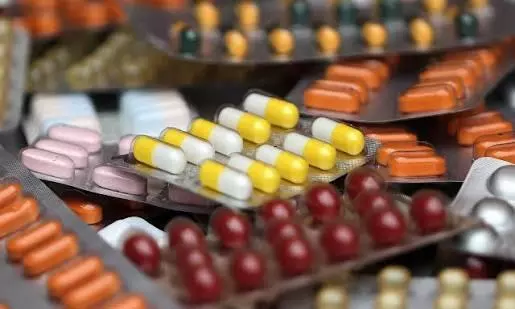
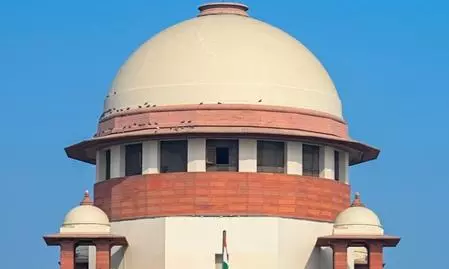
When the Supreme Court considered this matter last month, it described the practice—in which companies and intermediary wholesalers effectively put a price tag on human life—as "daylight robbery". With 1.5 million new cancer cases emerging every year, India represents a massive market for multinational corporations; and this when for the patients, it is a life-or-death struggle. This exploitative mindset of those who dominate the market creates a severe crisis—not only in the case of cancer, but across all medical conditions that require life-saving drugs. It is the government’s own responsibility to protect the public from this widespread exploitation in the healthcare sector. The observation in the Union Government’s affidavit—that even when the country produces medicines at a low cost, patients in India are not reaping the benefits—amounts to an admission of the situation. We have failed to build a shield against the injustices inherent in global patent laws. The World Trade Organization’s TRIPS (Trade-Related Aspects of Intellectual Property Rights) agreement (1995) was framed in a manner that favoured companies based in Western nations. However, the resistance mounted by South Africa and India did yield some results. The "Doha Declaration" (2001)—which asserts that the law should not pose a barrier to public health—enabled nations to grant "compulsory licenses" to domestic companies, allowing them to manufacture medicines during crises by bypassing the monopolies held by patent holders.
In line with this, India granted a compulsory license to 'Natco Pharma,' which proved successful: the cost of medicines for kidney disease and cancer became 95 per cent lower than the monopoly-dictated prices, with the price dropping from ₹2.8 lakh to ₹8,800. The 2013 amendment to the Patent Act marked another significant milestone. Government interventions have proven effective, even during the COVID-19 pandemic; yet, patients continue to be subjected to various forms of exploitation. The government must adopt a firm policy that no international law should hinder the protection of public health—particularly concerning life-saving medicines. One viable approach is for the Union and State governments to undertake pharmaceutical manufacturing within the public sector, thereby ensuring the affordability, availability, and efficacy of medicines. Further legislation could be introduced to prevent global corporations from using people's lives as a bargaining chip. The Supreme Court has asked the Union Government for proposals to ensure fair pricing. Raising public awareness and ensuring the availability of generic medicines—as alternatives to branded ones—are of great importance. In this context, it must be noted that it is unfortunate that three former Health Ministers of Keralam made certain remarks during a recent press conference that run counter to this pro-people approach.