















Keralam must not be left in the dark
text_fields

Keralam is going through a severe power crisis, unprecedented in recent times. Both the Minister for Power and the Chief Minister have made it clear that there is no alternative to power restrictions for the time being to overcome the crisis. What can be derived from the words of Power Minister Sunny Joseph is that the situation is so complex that an immediate solution is not possible, the restrictions will continue throughout this month. At present, power restrictions are being imposed in the state several times a day, lasting up to one and a half hours. As people are not informed in advance about the power cuts, they are unable to take necessary precautions. This has seriously affected the functioning of hospitals and other emergency and essential service institutions. Reports that the crisis has become so severe that it has even affected surgeries in hospitals are extremely serious. Continuous power cuts at night amid extreme heat have also caused anger among domestic consumers. In general, this power crisis has become a test for the VD Satheesan government; it is also noteworthy that this energy test is taking place at a time when people are discussing the UDF government’s first 100 days in office.
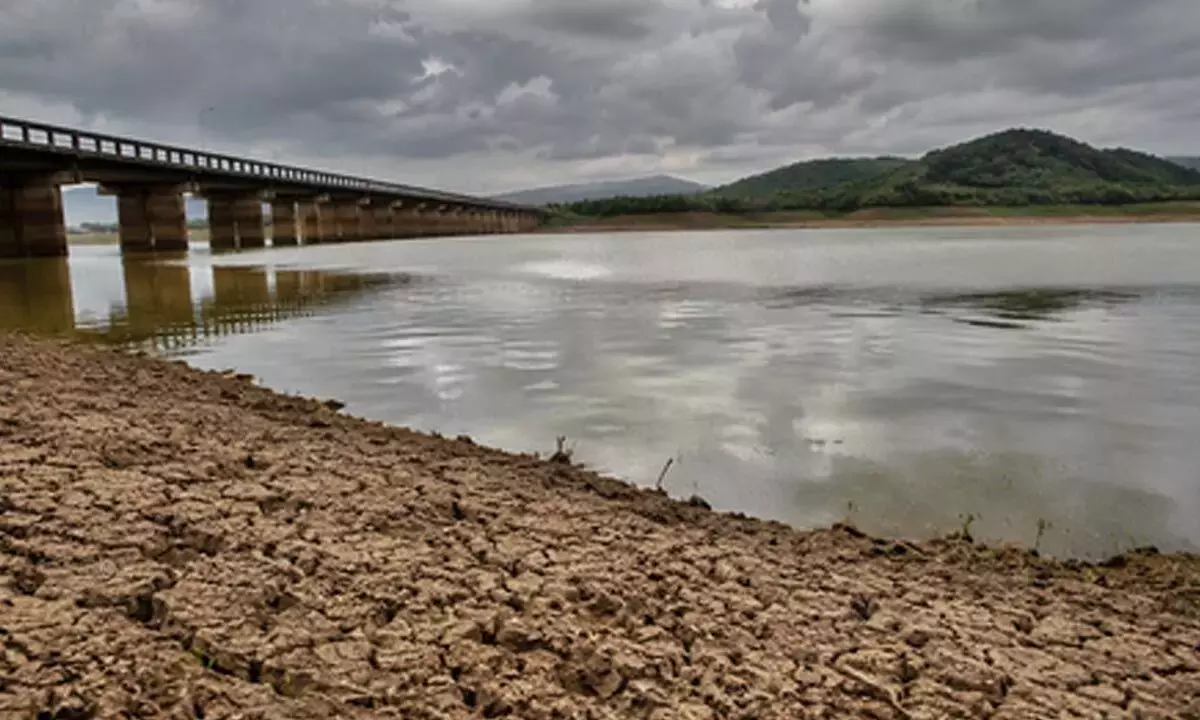
There are many reasons for the current crisis. The most important among them is climate change; everything else can be considered an addition to it. Severe heat is being experienced even before the monsoon rains have subsided. Due to the El Niño phenomenon, considered one of the main factors contributing to climate change globally, temperatures are rising by two to three degrees Celsius. Although this is usually the period when electricity demand begins to fall below the average, consumption has increased during the period. Figures show that peak electricity demand, which stood at 3,600–3,700 MW in September last year, has crossed 5,000 MW by this time. As a result, there has been an average shortage of 900 MW per day. The state usually receives around 65 million units of electricity a day through central generating stations, long-term contracts and interim contracts. However, by mid-August, this supply dropped to around 50 million units. While the state’s electricity consumption reached 95 million units on September 5, only 53 million units were received from various sources. Only 7.7 million units were procured from the open market and less than four million units through short-term contracts. In view of the deficit recorded in August and indications that electricity consumption would rise further in September, KSEB had attempted to conclude short-term contracts. But no one was even willing to participate in the tender. The central share has been affected by the decline in production at coal-fired power plants in states such as Odisha, Chhattisgarh and Jharkhand. The operation of thermal power plants has also slowed due to the increased moisture content in coal caused by heavy rains. Therefore, the fact that many plants are unable to supply the full volume of electricity contracted for is adding to the crisis. The shortfall in monsoon rains has also significantly affected the operation of hydropower plants in the state. An average of 25 million units are generated from these plants every day. However, this is causing the water reserves in the dams to deplete rapidly. The existing water in the Idukki dam can generate 1,384 million units of electricity. At the same time last year, the water storage was sufficient to generate 1,680 million units.
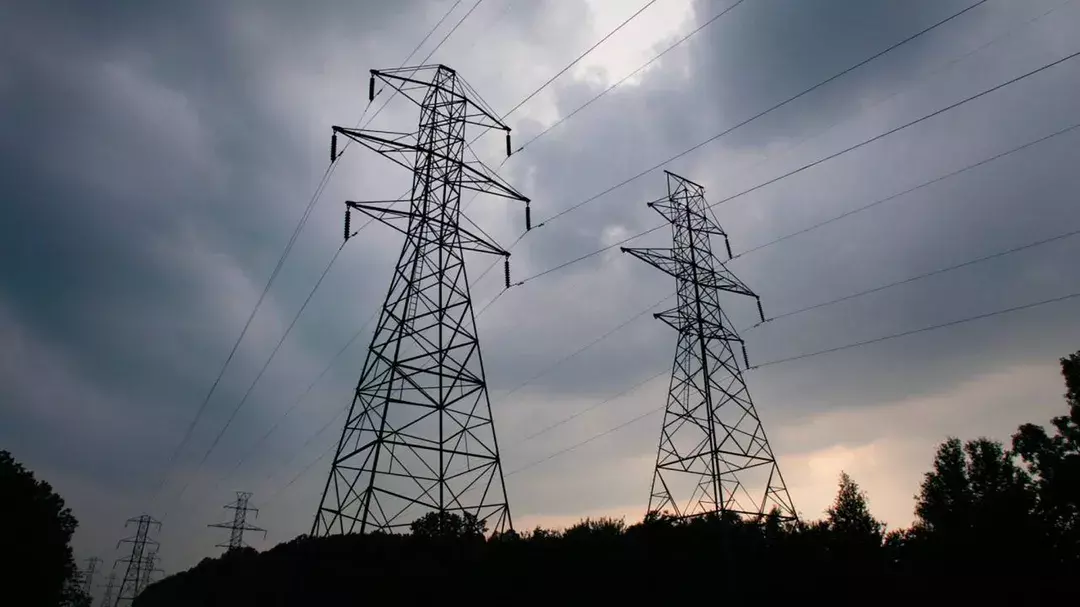
Although climate change and the consequent crises are real, the Electricity Board and the government cannot be absolved of responsibility on that basis alone. The fact is that the government could have anticipated all the factors mentioned above and taken necessary precautionary measures in advance to some extent. Not only did that fail to happen, but the Board and the government did not even have the basic courtesy to inform people about the timing of power cuts. Coal shortages and inadequate rainfall are not new phenomena. A similar situation had arisen in 2017. However, the government at the time overcame it through proper planning. In fact, the failure of the Electricity Board to take appropriate measures despite warnings about weather phenomena, including El Niño, is a serious lapse. The Board’s dispute with the Regulatory Commission is another reason why Keralam has been plunged into darkness. Now, the Minister and UDF leaders' take is that the root cause of the crisis is the cancellation of the long-term electricity contract by the previous government. That does not appear to be entirely true. The allegation that the LDF government unilaterally cancelled in 2023 the 765 MW long-term contract signed in 2015 is not factual. The contract was cancelled by the Regulatory Commission on the grounds that procedures related to the purchase of electricity had not been followed. Subsequently, the Pinarayi government approached the tribunal seeking reinstatement of the contract. The case is currently under consideration by the Supreme Court. Given this reality, there is no point in unnecessarily blaming the previous government; the state needs practical steps at this stage to prevent Keralam from being left in the dark. It is also necessary to consider new projects that can make Keralam self-sufficient in electricity generation. Currently, Keralam produces on its own 25 per cent of the electricity it needs. In Tamil Nadu, the figure is 50 per cent. In states such as Andhra Pradesh and Karnataka, self-sufficiency in electricity generation is even higher. Keralam can also learn from how neighbouring states achieved this level of self-sufficiency.