










Isn't expelling citizens punishable?
text_fields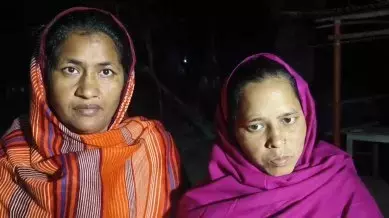
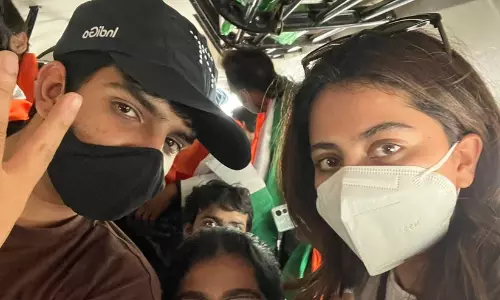
Sunali Khatun (right) and Sweety Bibi after their release from Chapainawabganj jail in Bangladesh. Photo: Indian Express

Sunali Khatun is an ordinary woman; and a symbol. Sunali and her husband, Danish Ali, who hail from Birbhum district in West Bengal, have been living in Delhi for 20 years, collecting junk and living on meagre wages. In June this year, the Delhi Police got an inner calling: that Sunali and others like them had illegally migrated to India. Thus, the couple, along with their eight-year-old son Sabir, and another family from West Bengal, were arrested. The Delhi Police, who have repeatedly shown their utter lack of regard or concern for humanity or civil rights, hand them over to the Border Security Force (BSF) to throw them across the border. On June 26, they are pushed across the border to Bangladesh. Let alone the ethics of this system of forcibly sending Indians to another country illegally, Sunali was pregnant when the authorities committed this heinous crime against them. While the case dragged on in the court, on the other side of the border, Bangladeshi police arrested them as infiltrators and kept them in jail. Months later, the Calcutta High Court ordered that the six West Bengal nationals, who were pushed to Bangladesh by the Indian government, be brought back to India by October 26.
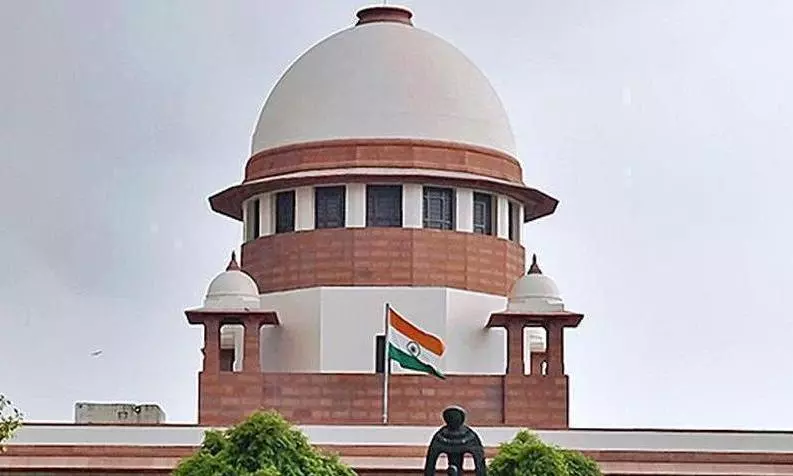
Although the court said that the pregnant woman should be returned quickly due to her suffering, what the Union government did was to appeal against the verdict in the Supreme Court. The defence lawyer requested urgent intervention on humanitarian grounds, and the court ordered Sunali to be returned immediately. Accordingly, she has been brought back to her motherland. The court has said that “law must give way to humanity". In other words, the citizenship issue is not resolved. The appeal filed by the Union government is going to be heard beginning on December 12. This case demonstrates how the heavy weight of government power is being thrust on the weak and poor citizens. The Foreigners Regional Registration Office ordered the deportation of the junk pickers on the grounds that they were “suspected infiltrators” and that they did not have any citizenship documents with them when they were first checked, and the authorities sent them away at gunpoint. Bearing the burden of the case, Sunali’s father, Bhodu Shaikh, approached the court. The plea was that they should be given a chance to prove their citizenship and that those who were deported should be returned. The court, which granted the plea, also criticized the haste of the authorities - and the deportation without following the legal procedures. At the same time, a court in Bangladesh had found that Sunali and her family were Indian citizens and ordered their release from prison and repatriation to India. Despite all this, the Union Home Ministry has approached the Supreme Court to declare them foreigners.
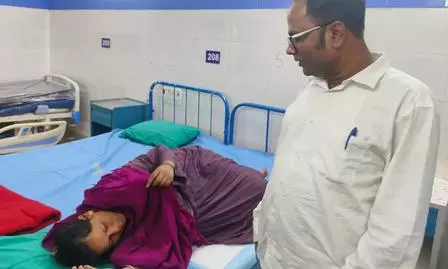
Sunali is currently relieved that she will be able to give birth in her homeland. What she and her family are facing is the injustice created by the amendments to the citizenship law. Under the Union government, which at the time denied the allegation that the 2019 amendment law was racially motivated, incidents that confirm that allegation are happening repeatedly. Many poor people who cannot even try for legal protection, even for the right to prove citizenship, must have been made non-citizens. Many of those who are lucky enough to approach the courts have to suffer for years in the process of getting justice. In Assam, rickshaw puller Mohammed Noor Hussain, his wife, and two children spent a year and a half in jail before they regained their citizenship and were released after the intervention of the Gauhati High Court. Although Banasha Begum, an Assamese woman who was physically disabled, did not spend time in jail, the hardship of the three-year legal battle was even greater; the authorities finally conceded that she did have citizenship. Mohammed Rahim Ali of Assam had to live without a country and rights for 12 years until the Supreme Court confirmed his citizenship in 2024. There are many more such examples. In many cases, the courts have reprimanded those involved in denying citizenship to citizens. But in none of them have the victims been compensated or the guilty authorities punished. Unless this situation changes, Sunalis will continue to exist.