







India needs peace, not servitude
text_fields

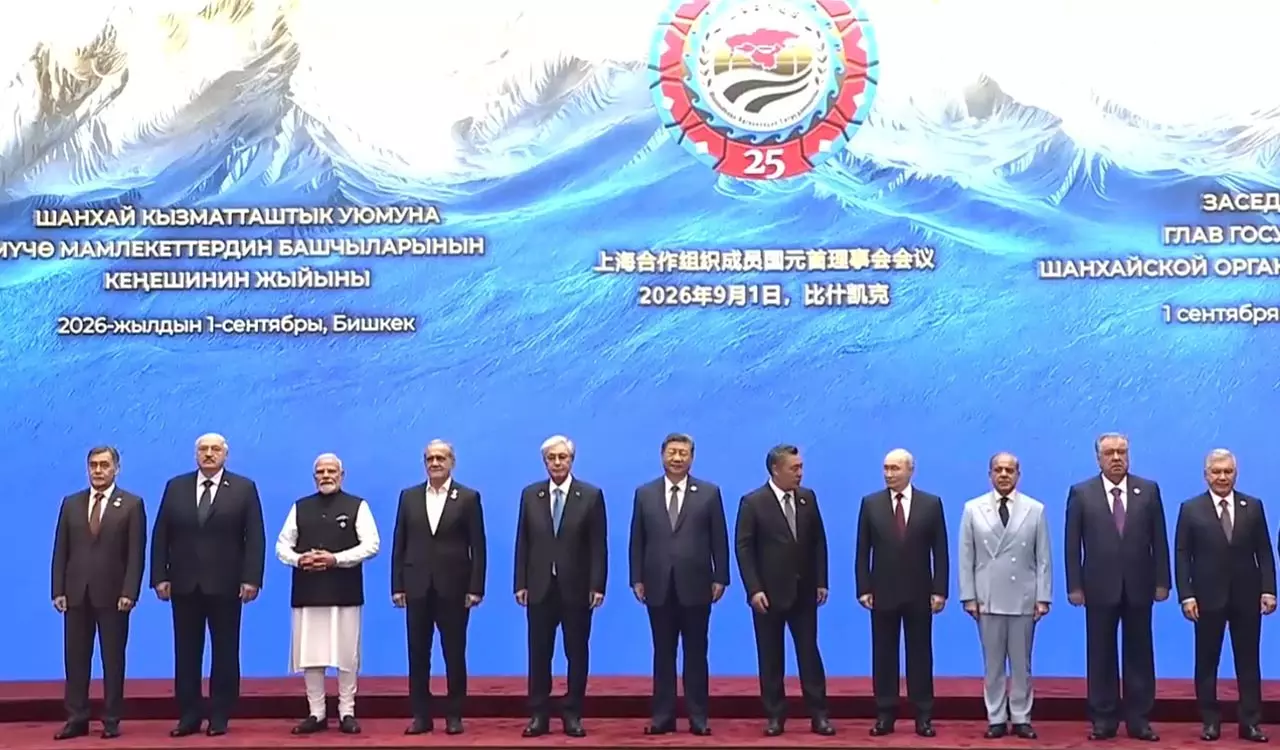
The American insistence that all countries of the world view its enemy as their enemy is not new. The US is used to declaring those who do not yield to that insistence as enemies and troublemakers. This muscle-flexing is now being directed at India. The US has been angered by the meeting between Prime Minister Narendra Modi and Iranian President Masoud Pezeshkian on the sidelines of the Shanghai Cooperation Organization summit in Bishkek, Kyrgyzstan. The Modi-Pezeshkian meeting, which was also attended by Iranian Foreign Minister Abbas Araghchi and others, certainly has a lot of political significance. India and Iran are countries that have maintained commercial and cultural friendship for decades; they are friends who have helped each other in times of hardship in the past.
Since the US threatened war on Iran, food exports including basmati rice from India have been disrupted causing a major setback for Indian farmers and traders. Attacks on ships in the Strait of Hormuz have claimed the lives of Indian sailors. The shortage of cooking gas, urea, etc. is worsening day by day. The rocket attacks carried out by Iran on the Gulf countries, the second homes of millions of Indians, in response to the US attacks, are causing India no small amount of pain and anxiety. In short, India is the country that is suffering the most due to the prolonged conflict with Iran. In the past, India had taken the initiative to condemn unjust aggression in the strongest terms and to end the conflicts and create a peaceful environment. This was made possible by the positions we adopted on the strength of the non-alignment policy, which was highly respected in the world. However, due to the excessive leaning shown by India towards the US-Zionist bloc in recent times, India was unable to take a strong stand against their aggression on Iran this time. On the other hand, Pakistan, an American ally, seized this opportunity and assumed the role of mediator in the peace talks.
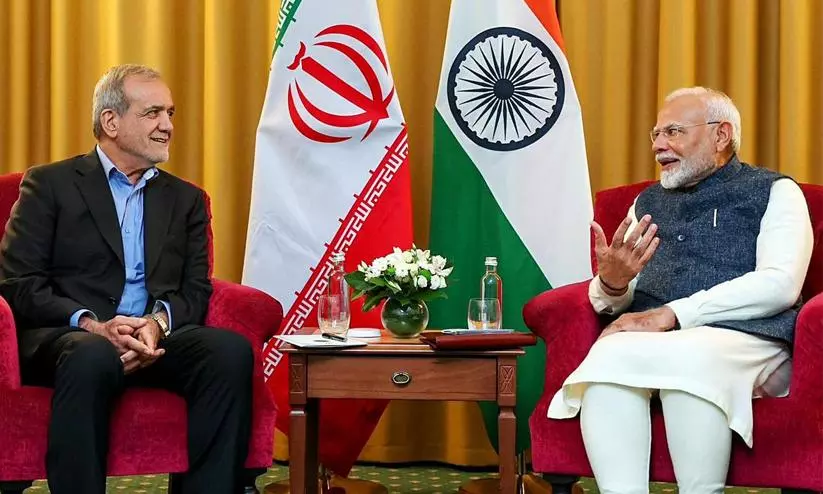
No one expected the Iran conflict to last this long or cause so much suffering. India, recognizing that there is no point in waiting for the US aggression to end, has expressed its full support for efforts to ensure lasting peace in the region at the first opportunity it got. Prime Minister Narendra Modi, who stated that India's long-standing friendship with Tehran would be further strengthened and that India wanted to expand bilateral trade to more areas, also invited the Iranian president to the BRICS summit to be held in India. Even as it is clear that the talks between the two heads of government were welcomed by anyone who wants peace and security in the region, the United States is raising its voice of threat. While India has the right to pursue its own foreign policy, the tone of US Secretary of State Marco Rubio's warning that there will be strong action against countries that help Tehran to circumvent US sanctions is not surprising by any means. Rubio also said that countries that come forward to provide such assistance will have to face US sanctions, a threat that is highly condemnable. It is not in line with international etiquette for a third country to issue such a diktat about the mutual relations and commercial transactions of independent sovereign states.
For India, Iran is not just a trading partner. The Chabahar port, which we have developed to bypass Pakistan and move goods to Afghanistan, Central Asia, and Europe via an international transport corridor, is key to India's diplomatic and economic security. Giving in to the US's threats of sanctions and withdrawing from that would be a severe blow to India's geopolitical interests and economic security. Moreover, China and Pakistan are on the prowl for any opportunity to fill every gap that India withdraws from. The country has already suffered the brunt of its earlier decision to halt oil imports from Iran under US pressure. The loss of a trusted energy partner that provided cheap fuel, generous credit terms and a 'rupee-riyal' deal has had a major impact on our economy. The 'strategic resistance' it demonstrated by buying oil from Russia despite US sanctions is essential for India here too. India's foreign policy should not be modified to suit American interests. It is time to openly declare that what we desire is peace, not vassal status to American imperialism.