










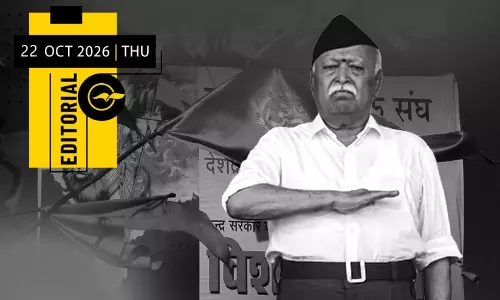








BJP governments in frenzied demolition mode
text_fields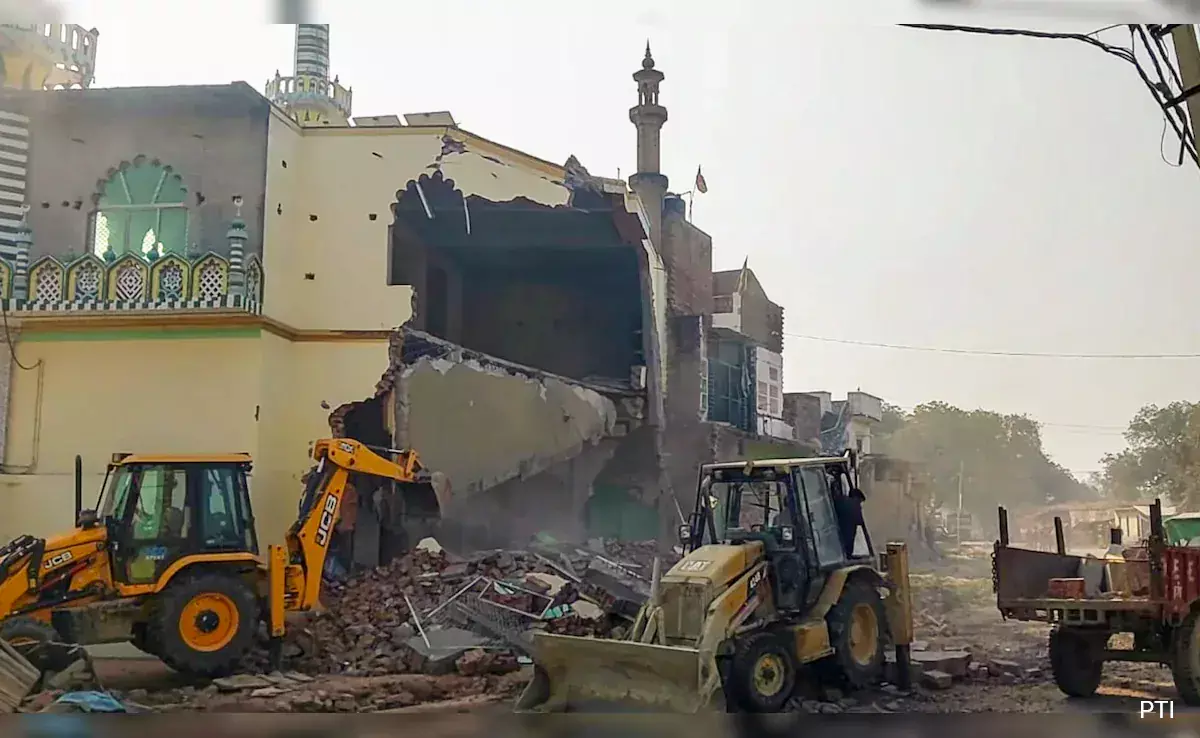

The Sangh Parivar governments in various states are moving ahead with a politics of demolishing structures, and driven by intolerance and hatred towards the ‘other’. Over the past one and a half months, more than 20 structures, including mosques, madrasas, Eidgahs, and dargahs, have been razed by authorities in various BJP-ruled states, citing them as illegal. Since last May until now, 23 mosques, religious schools, and dargahs have been demolished under the bulldozer rule. In Varanasi, Uttar Pradesh, the historic Ganj Shaheedan Mosque, which is more than a thousand years old, is at risk of being demolished by bulldozers at any moment. These are not isolated incidents. In BJP-ruled states such as Delhi, Maharashtra, Uttar Pradesh, Gujarat, Rajasthan, and Haryana, an intensive campaign to demolish Muslim places of worship, religious structures, and dargahs has been underway for the past few weeks. Although these demolition drives are being carried out under the pretext that they are illegal constructions, widespread complaints have emerged from almost all places that the authorities arriving for the demolitions have failed to follow the required procedures beforehand. Basic norms of fairness and legal procedures — such as issuing prior notices, applying the law equally to everyone instead of targeting a particular community if the issue is illegal construction, protecting religious heritage properties, and ensuring transparent action regardless of religion — have not been followed in this demolition campaign.
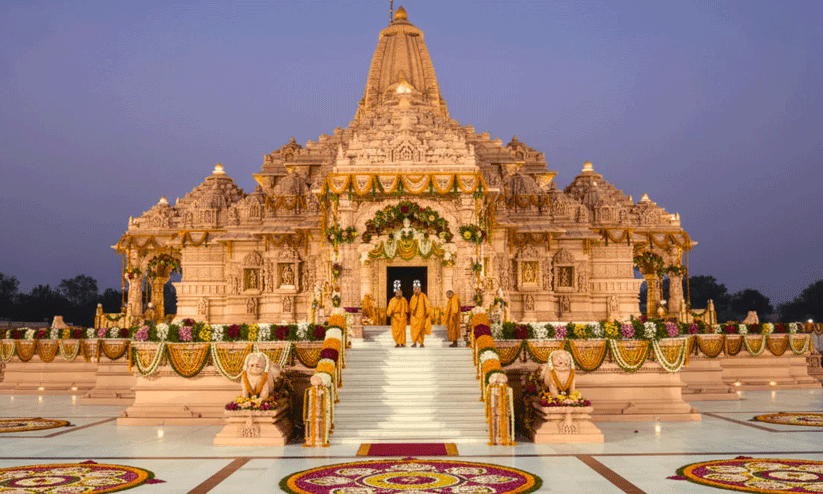
The latest example of this is the Ganj Shaheedan Mosque near the Kashi railway station in Uttar Pradesh, which is awaiting the axe of eviction to fall on it at any moment. As part of the railway station expansion, railway authorities issued a notice on June 13 asking the mosque authorities to vacate the premises, claiming that the mosque was illegal. A period of one week was given to vacate the site. The notice also warned that the mosque would be demolished at any time if the premises were not vacated. However, the notice did not carry any official signature or the names of any authorities. According to the history of Banaras, the mosque existed there even before the railway station was built. The mosque was constructed in 1624–25 AD. It is clearly recorded in the Banaras Settlement Map of 1883-84. The railway station, on the other hand, came into existence only in 1887. The mosque was also registered with the Waqf Board in 1967. Despite all these facts, authorities have come forward to demolish it, claiming that the mosque was illegally constructed. The mosque committee office-bearers have approached the District Magistrate against this move. In Sambhal, also in Uttar Pradesh, mosques, dargahs, and Eidgahs were demolished and reduced to rubble within just a day or two. Similar incidents have also been repeated in Delhi, Mumbai, Pune, and Jaipur.
In Rajasthan, where the demolition of illegal Muslim places of worship had begun, the campaign received further thrust from directions issued by the central government. Union Home Minister Amit Shah had convened a meeting of the District Magistrates and Superintendents of Police of the border districts of Bikaner, Jaisalmer, Barmer, Sri Ganganagar, and Phalodi in Jaipur on May 27. Amit Shah instructed district authorities to demolish all illegal buildings and constructions within 15 kilometres of the international border with Pakistan. Following the minister’s statement, authorities in Bikaner have started demolishing Muslim places of worship and madrasas. Former Chief Minister and senior Congress leader Ashok Gehlot has alleged that, following Amit Shah’s directive, the BJP government in the state has feverishly stepped forward to demolish Muslim mosques, dargahs, and other structures in the border areas. He warned that this would only create divisions and conflicts among various communities who had been living together peacefully in the border districts. If unrest is created in border areas that have been living in a peaceful atmosphere, it is easy to guess who will ultimately suffer the loss. However, what can be done if a group sets out to gain political benefits by sowing hatred and causing destruction?
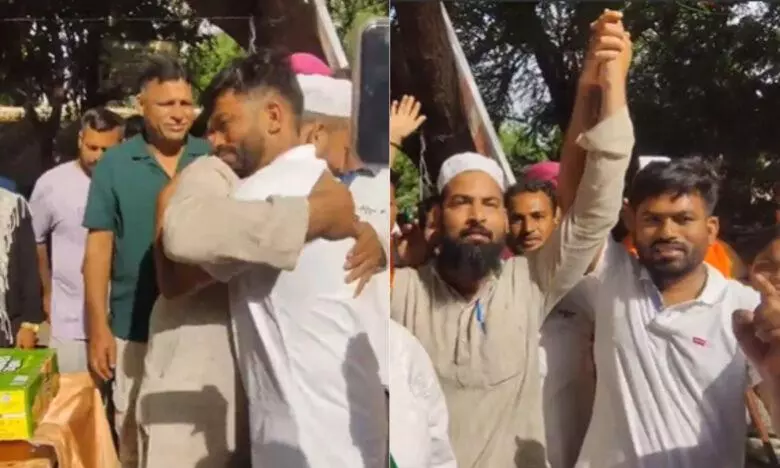
Asaduddin Owaisi’s Majlis-e-Ittehadul Muslimeen and civil rights and voluntary organisations such as APCR have come forward in protest against the mosque demolitions in Rajasthan. The incidents so far have shown that, in the haste to demolish illegal structures, the government itself is not proceeding in a lawful manner. The United States-based NGO Justice For All has described this demolition campaign, being carried out with the backing of Sangh Parivar power, as the worst manifestation of hate politics. Their warning that if the country’s intellectuals, civil rights groups, and opposition parties do not unite against this, the country will move towards greater bitterness and division cannot be dismissed by patriots.