












Qatar’s long view: Education, dialogue, power of moral infrastructure
text_fields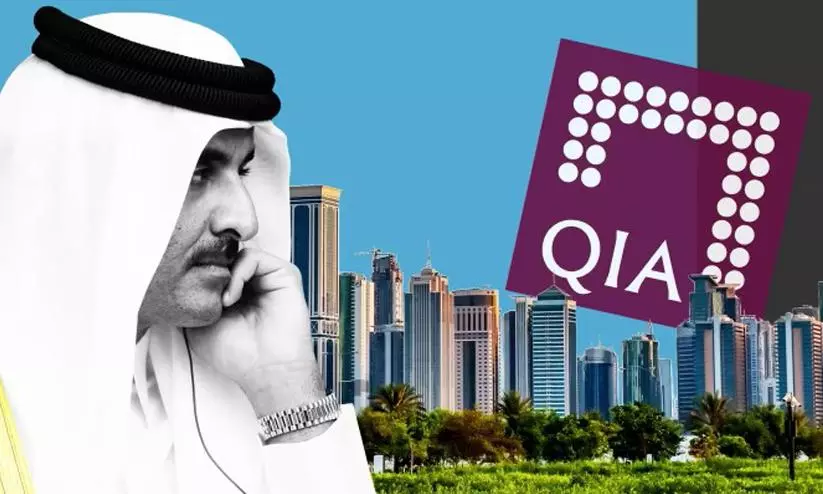
In an age of noise, Qatar is playing a quieter, more patient game.
I recently visited Doha, and what struck me was not the architecture or ambition—both evident—but the seriousness with which the country is investing in ideas, dialogue, and institutions that outlast headlines. Qatar’s approach offers an instructive contrast to models of development built on speed, spectacle, and excess.
At the heart of this vision is the Qatar Foundation, which has transformed education into a national pillar. Education City is not simply a collection of foreign campuses; it is an ecosystem linking learning, research, public policy, and social development. In a region long denied sustained investment in knowledge economies, Qatar has made education a form of sovereignty.
This matters deeply for the Global South, including South Asia, whose students, scholars, and professionals increasingly circulate through Doha. Qatar’s future-facing investments recognise that human capital—not oil—is the most durable resource.
That same long view shapes Qatar’s role in global diplomacy. Doha has become a trusted mediator precisely because it resists ideological rigidity. By keeping channels open with actors others refuse to engage, Qatar has facilitated talks related to Afghanistan, Gaza, and hostage negotiations—often behind the scenes, and often at political cost.
Mediation, here, is not a weakness. It is a strategy grounded in restraint.
The Doha Forum embodies this philosophy. Unlike global gatherings that feel choreographed and exclusionary, the Forum creates space for disagreement—bringing together policymakers, journalists, activists, and scholars from across the world. It reflects an understanding that dialogue, however imperfect, is preferable to silence or force.
This commitment to pluralism is also reflected in Al Jazeera. The network has shaped modern Arab and global media by amplifying voices historically marginalised or ignored. It has been criticised, targeted, and banned in various countries—often for doing precisely what journalism is meant to do.
I write this as someone proud to be a frequent contributor.
In Doha, I encountered a memorial tree sculpture honouring Al Jazeera journalists killed while reporting, many during Israel’s war on Gaza. It is a sobering reminder that journalism is not merely a profession, but a moral undertaking—one that increasingly exacts a heavy price.
For readers in Kerala and across the diaspora, this resonates. Many of the region’s migrant workers, journalists, and professionals understand what it means to labour invisibly, to speak carefully, and to bear risk without recognition. Qatar’s evolving labour reforms and social policies deserve continued scrutiny—but also acknowledgement when progress is made.
No country is beyond criticism, and Qatar is no exception. Questions of political participation, speech, and labour rights remain vital. But what distinguishes Qatar is its willingness to engage criticism while continuing to invest in institutions that serve the broader Muslim world and the Global South.
Doha today feels measured rather than manic, intentional rather than indulgent. It is a city—and a country—thinking in decades.
In a world increasingly addicted to outrage and immediacy, Qatar’s long view offers a different lesson: that power rooted in education, dialogue, and moral infrastructure may be quieter—but it is often more enduring.