















Endangered species find home at Saudi Arabia’s Imam Turki reserve
text_fields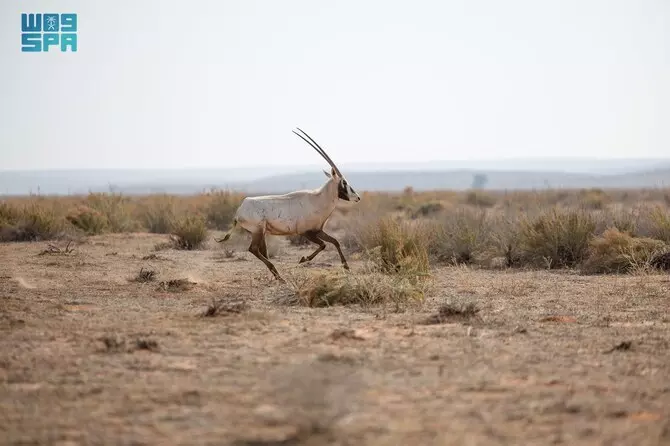

The Imam Turki bin Abdullah Royal Nature Reserve Development Authority, in collaboration with the National Center for Wildlife, has reintroduced several endangered species into their natural habitats. The release includes 30 Arabian oryx, 10 Arabian gazelles, 50 sand gazelles and five red-necked ostriches.
The initiative is designed to restore the ecological balance within the reserve and reinforce the role of wildlife in sustaining healthy ecosystems. It also aims to increase public awareness about the importance of protecting endangered species and fostering environmental sustainability.
According to reports from the Saudi Press Agency, the reserve authority's programs prioritize community engagement, biodiversity preservation and the establishment of sustainable environments conducive to wildlife reproduction and conservation.
Covering 91,500 square kilometers, the Imam Turki bin Abdullah reserve is the Kingdom’s second-largest royal reserve. The expansive area supports a wide array of wildlife and plant species, making it a prominent destination for eco-tourism activities such as hiking, wilderness exploration, camping and sustainable hunting.
The reserve’s rich vegetation serves as an essential habitat for various bird species, which play a crucial role in controlling insect populations, managing small rodents and facilitating the natural breakdown of carrion, thus maintaining the ecological balance.
The reintroduction program underscores the Kingdom’s commitment to preserving its natural heritage and safeguarding endangered wildlife populations through strategic conservation efforts and public education.