













No threat yet US spends trillions on military abroad: IRGC letter urges Americans to end ‘war crimes’
text_fields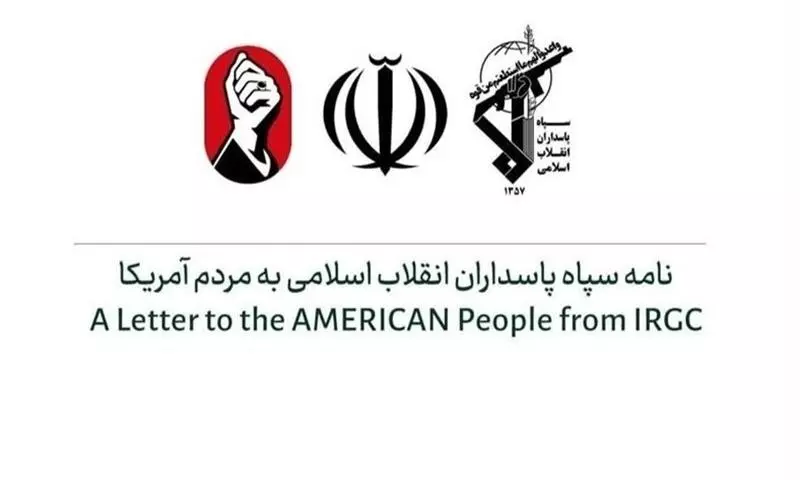

In an open letter, Iran’s Islamic Revolutionary Guard Corps (IRGC) called upon American citizens to pressure the US administration to end its war against Iran, which it has described as “war crimes”, with its spokesman having termed the outreach to the American public an attempt to explain Iran’s reasoning and position directly, beyond generating media attention.
Questioning why the US spends trillions of dollars on its military and maintains hundreds of bases abroad despite no direct military threat to its territory, the IRGC, in a letter to the American public, cited the country’s geographical position as a natural security advantage and urged Americans to question the rationale behind its extensive military presence overseas.
The letter, prepared by IRGC spokesman Brigadier General Hossein Mohebbi and addressed to the American people, forms part of Iran’s broader public messaging as the conflict continues. While addressing the press on Tuesday, Mohebbi said it was not conceived as a temporary publicity campaign, but was intended to make the US public aware of Iran’s “logic” and positions.
“Our goal in sending the letter to the American people goes beyond media publicity and is aimed at creating familiarity with Iran’s logic,” Mohebbi said, adding that if the purpose had merely been to attract attention, Iran could have relied on social media posts or other short-lived media activities.
Instead, he said, Tehran had chosen to address Americans in what he described as an “honest, logical and genuine manner”, while inviting members of the public to respond, offer criticism or seek further clarification about Iran’s arguments.
Mohebbi also explained that the choice of a letter reflected what he described as Iran’s limited access to the extensive television and radio networks available to the United States. Whereas Washington possesses hundreds of media outlets through which it can communicate with audiences abroad, he said, Iran lacked comparable platforms operating inside American territory.
The letter raises questions about US military strategy, including the country’s geographical security and its extensive overseas military presence. Mohebbi argued that the United States, surrounded by oceans and geographically distant from major military threats, enjoys a degree of natural security, while neighbouring countries lack the military capabilities to pose a serious threat to American territory.
Against that backdrop, he questioned what he described as the rationale for maintaining around 800 US military bases around the world and spending what he cited as $1.1 trillion on the American military.
“Given this reality, the question arises: What is the purpose of deploying 800 US military bases around the world? And on what basis is the economic and logical justification for spending $1.1 trillion on the US military budget founded?” he asked.
Mohebbi further urged Americans and US media professionals to consider the history of American military interventions over the past seven decades, arguing that the consequences of those actions should form part of the public debate.
The IRGC’s appeal comes as Iran continues to combine military resistance with calls for a political and diplomatic resolution. Although the letter seeks to influence American public understanding of Iran’s position, it does not constitute a formal diplomatic proposal or ceasefire announcement; rather, it represents a direct appeal from one of Iran’s principal military institutions amid the continuing confrontation with the US.