















Donations for Gaza plummet after ceasefire, fundraisers warn
text_fields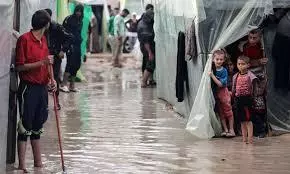

Fundraisers supporting Palestinian civilians say financial contributions have plunged dramatically since the October ceasefire, despite living conditions in Gaza remaining dire as winter approaches.
Volunteer organisers running mutual aid campaigns report that the slowdown, which began in early autumn, has accelerated sharply in recent weeks, leaving many families without the support that sustained them through two years of conflict and displacement.
Organisers who operate dozens of small-scale online campaigns say the public appears to believe the humanitarian emergency has eased.
But they argue the suffering has only shifted in form: with infrastructure in ruins, healthcare barely functioning, and most agricultural land destroyed, families are still struggling with hunger, illness, and a lack of shelter. Some have been displaced multiple times and now face colder months with limited clothing, blankets, or heating.
Several mutual aid coordinators say their campaigns have seen steep declines.
One Australian organiser who manages nearly a hundred fundraisers for individual families said her weekly transfers — which averaged thousands of dollars during the war — dropped to a fraction of that after the ceasefire. Other volunteer-led initiatives told similar stories, noting that the cumulative effect across hundreds of campaigns could leave many families without basic necessities.
Larger non-profits are also seeing the shift.
Gaza Soup Kitchen, which has served millions of meals since early 2024, reported donations falling by more than half between September and October. International organisations such as Oxfam and Save the Children say contributions linked to social media campaigns have fallen significantly, a trend they partly attribute to reduced media attention and economic strain in donor countries.
Meanwhile, access to formal humanitarian aid remains limited.
Only three border crossings are operating, allowing far less food and supplies into Gaza than international agencies say are required. Families reliant on mutual aid describe increasingly precarious situations: some are unable to afford tents or damaged apartments, while others depend entirely on modest monthly transfers that are now drying up.
Fundraisers fear the combination of donor fatigue, economic pressures abroad, and algorithmic barriers on social media will leave Gaza’s population facing a harsh winter with even fewer resources than before.