













White paper warns of rising debt, unpaid dues and KIIFB liabilities in Kerala
text_fields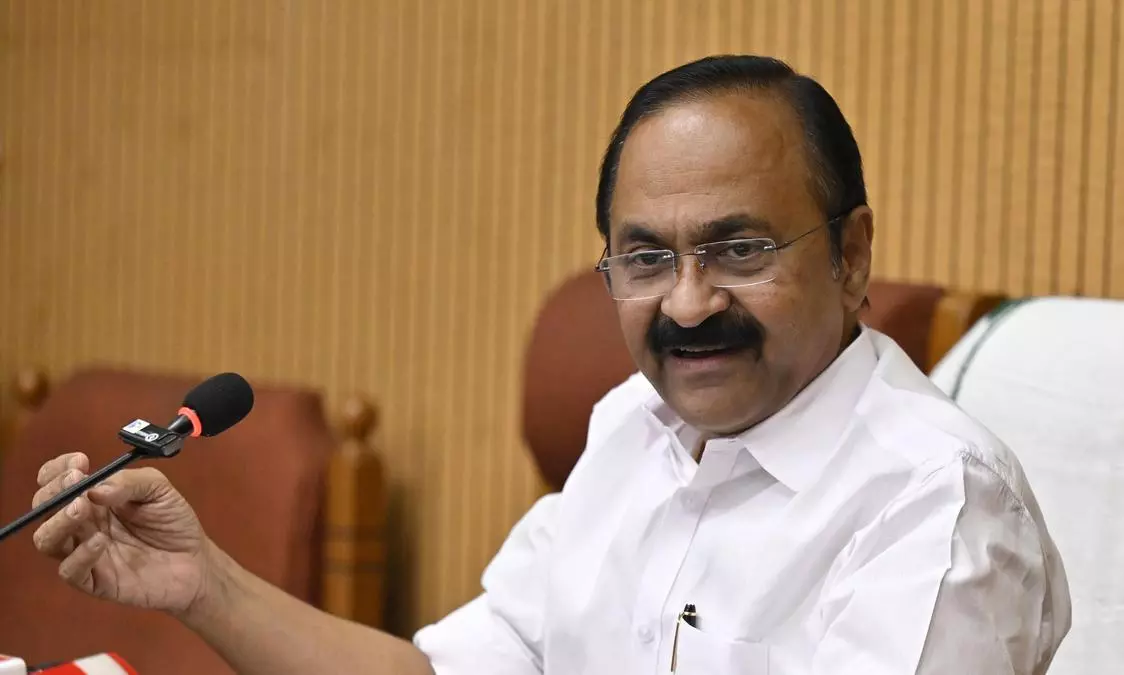

Thiruvananthapuram: Kerala’s outstanding liabilities have surpassed Rs 5.07 lakh crore, while unpaid dues and deferred payments total nearly Rs 48,733 crore, a white paper on the state’s finances tabled in the Assembly on Thursday said.
Chief Minister V D Satheesan presented the report, compiled by a three-member committee chaired by former Cabinet Secretary K M Chandrasekhar. The document, titled “Kerala’s Fiscal Health, A Status Report,” was commissioned by the new UDF government shortly after it took office.
The white paper paints a bleak fiscal picture, saying rising debt, mounting liabilities and heavy committed expenditure have sharply limited the state’s capacity to invest in development and infrastructure. Salaries, pensions and interest payments together consume 77% of the state’s revenue receipts, while interest alone accounts for 20.9%. Capital expenditure is just 1.3% of Gross State Domestic Product (GSDP), among the lowest in the country.
The report lists several inherited arrears, including Rs 21,670 crore in Dearness Allowance, Rs 14,387 crore in Dearness Relief, and Rs 3,431 crore from bill-discounting arrangements. It warns that the value of pending payments is roughly equal to the state’s annual net borrowing.
Treasury operations are under strain, the paper says, with Kerala relying heavily on emergency facilities from the Reserve Bank of India to meet daily cash needs. In 2025 the state used Ways and Means Advances for 262 days and operated under overdraft for 84 days.
A detailed section examines the Kerala Infrastructure Investment Fund Board (KIIFB). The white paper notes that KIIFB carries around Rs 21,000 crore in loan liabilities that the state will ultimately have to service, and that projects worth about Rs 35,000 crore remain unfunded. It cites Comptroller and Auditor General findings that KIIFB lacks an adequate independent revenue base and that its debt should be treated as state debt.
The report also finds KIIFB’s cost of borrowing is about 1–1.5 percentage points higher than direct government borrowing, calling into question the financial benefits of the model. While calling KIIFB a “bold institutional innovation” that aimed to circumvent budgetary constraints, the white paper says the challenge now is managing a transition that honours existing liabilities while preserving the institution’s technical and organisational capacity.
The Chandrasekhar panel’s assessment frames the fiscal situation as a serious governance challenge for the new administration and underscores the limited fiscal space available for capital projects and social spending.
(Inputs from PTI)