
















SC says existing laws enough, declines new hate speech directions
text_fields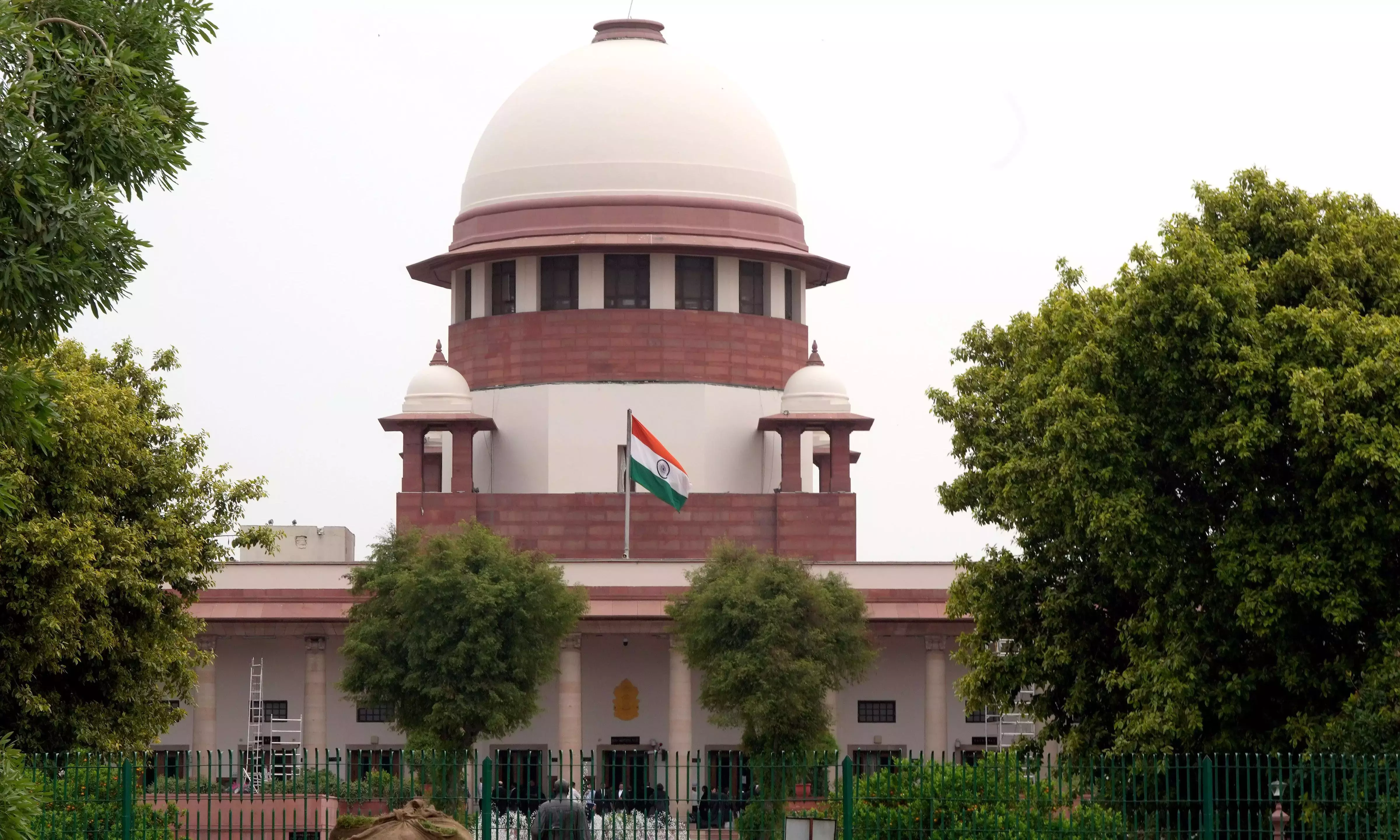

The Supreme Court on Wednesday refused to issue additional directions to curb hate speech, observing that the existing legal framework is sufficient to address such offences, according to Bar and Bench.
A bench comprising Justices Vikram Nath and Sandeep Mehta stated that the notion that hate speech remains unaddressed by law is “misconceived”. As reported by Live Law, the court emphasised that there is no legislative vacuum in this regard.
The observations came while hearing a batch of petitions seeking guidelines and directions to tackle hate speech.
In its order, the bench underscored that the authority to create criminal offences lies within the legislative domain. “The constitutional scheme founded upon the doctrine of separation of powers does not permit the judiciary to create new offences or expand the contours of criminal liability through judicial directions,” the court said, as quoted by Live Law.
The court added that its role is limited to highlighting the need for reforms where necessary. It noted that the current criminal law framework—including provisions of the Indian Penal Code and related legislation—“adequately addresses” acts that promote enmity, outrage religious sentiments or disturb public order.
The bench further pointed out that the Bharatiya Nagarik Suraksha Sanhita provides for the registration of a first information report in cases of cognisable offences and offers remedies before a magistrate in instances of police inaction.
It also held that the grievances raised by petitioners stemmed not from the absence of legal provisions but from inadequate enforcement. Such concerns, the court said, do not justify judicial law-making.
At the same time, the bench acknowledged that hate speech and rumour-mongering directly impact “fraternity, dignity and constitutional order”. It added that the Centre and state governments are free to assess evolving societal challenges and introduce suitable legislative amendments if required.
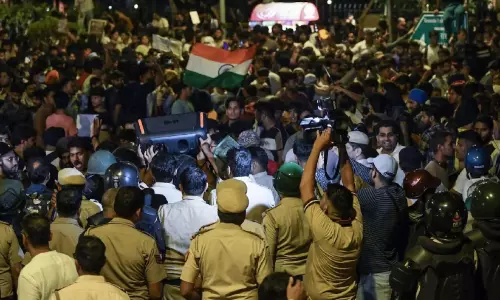
The current set of cases dates back to 2020. One of the earliest petitions arose during the Covid-19 pandemic, when the so-called “corona jihad” campaign blamed Muslims for spreading the virus in India. Another petition challenged a television programme alleging a conspiracy by Muslim candidates to infiltrate the civil services.
Petitioners argued that such narratives violated constitutional principles of equality, dignity and fraternity, and alleged that authorities had failed to take adequate action.

In an initial intervention in 2020, the Supreme Court restrained the broadcast of the controversial programme, recognising that certain forms of hate speech—particularly when amplified by the media—could reshape social relations and deepen exclusion beyond conventional free speech disputes.
Between 2021 and 2022, the scope of the proceedings expanded to include incidents linked to religious gatherings known as Dharam Sansads, where speakers allegedly called for violence against Muslims, economic boycotts, armed mobilisation and even genocide. Several public interest litigations also sought the enactment of specific legislation to curb hate speech.
In 2023, the court directed all state governments and Union Territories to take proactive action against speeches promoting communal hatred or offending religious sentiments. It instructed the police to register FIRs suo motu, without waiting for formal complaints.
Subsequently, petitions were filed alleging non-compliance with these directions. Reports indicate that while documentation of hate speech incidents has increased, police action against offenders has remained limited. A hate crime tracker report published by the Association for Protection of Civil Rights for June–August 2025 highlighted poor enforcement.
In February, the court declined to entertain petitions seeking the registration of an FIR against Himanta Biswa Sarma, the Chief Minister of Assam and a Bharatiya Janata Party leader, over alleged hate speech targeting Muslims. The pleas cited multiple statements and a now-deleted social media post by the party’s Assam unit, which featured a video depicting Sarma symbolically firing at images of two Muslim men.
Earlier in January, the court said it would close several hate speech matters pending since 2021, particularly those in which it had directed the police to register FIRs suo motu. It clarified that parties could pursue alternative legal remedies.
However, one case—relating to an alleged 2021 hate crime against a Muslim cleric in Noida—has been kept open, with the court continuing to monitor the progress of the trial.