


















No permission required for religious prayers in private premises: Allahabad HC
text_fields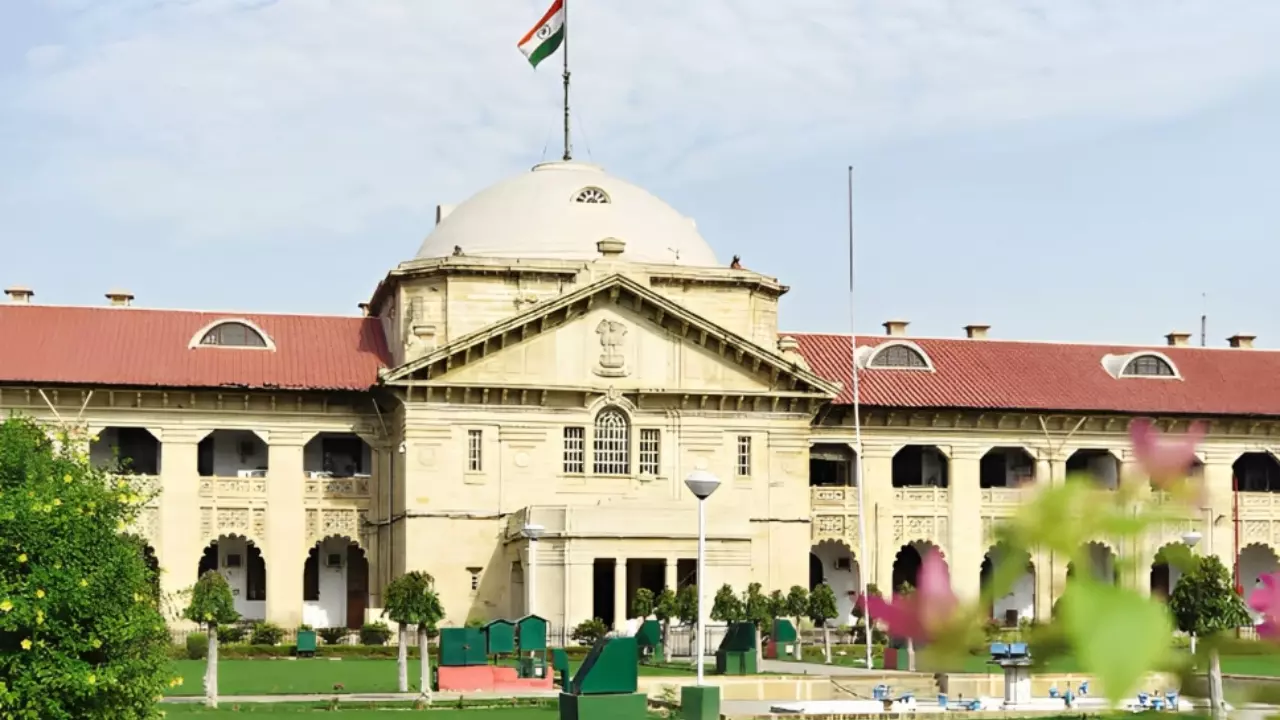

The Allahabad High Court has ruled that no prior permission from state authorities is required to conduct religious prayer meetings within one’s private premises, observing that such activity falls under the fundamental right to freedom of religion guaranteed by Article 25 of the Constitution.
Article 25 provides for freedom of conscience as well as the right to freely profess, practice, and propagate religion.
The decision came from a bench comprising Justice Atul Sreedharan and Justice Siddharth Nandan, which was hearing a plea alleging inaction by authorities despite multiple representations by the petitioner seeking permission to hold a religious prayer meeting on private property.
“The petitioner has the right to conduct the prayer as per convenience in his own private premises without any permission from the State Government,” the court held.
The petitioners had submitted that they intended to hold a religious congregation within their private premises. They also pointed out that despite several representations seeking permission, no action had been taken by the state authorities. Feeling aggrieved, the petitioners approached the high court.
The court noted that the state had explicitly stated that there was no prohibition on the petitioner conducting religious prayer meetings within private premises. It further emphasised that equal protection of the law must be accorded by the state to all citizens without discrimination based on religion or any other consideration.
The bench clarified that the petitioner does not require any permission to carry out religious activities within their own property, as such acts are protected under Article 25. The court also sought clarification from the petitioners on whether any procession would extend to public land or roads, to which the petitioners confirmed that the prayer activities would be confined strictly to their private premises.
The court further observed that if any activity were to extend to public property, the petitioner would be required to at least intimate the police and seek any necessary permissions under the law. The manner of providing protection, if needed, would be at the discretion of the state, which also has a duty to ensure the safety of the petitioner’s property, rights, and life.
The ruling reinforces the principle that religious practices within private premises are protected under the Constitution and cannot be restricted by the state, provided they do not spill over onto public spaces without due process.