













Muslim voters disproportionately flagged for removal in Delhi’s electoral roll revision
text_fields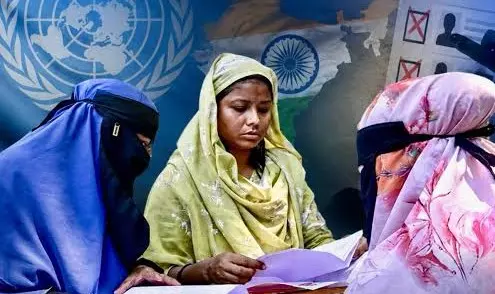

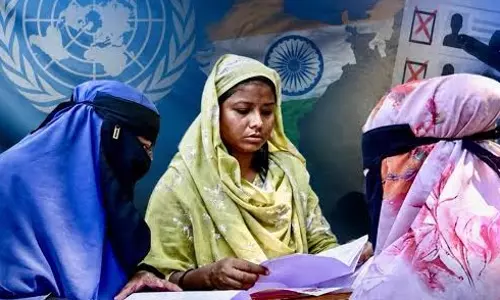
Muslim voters have been disproportionately flagged for possible removal from Delhi’s electoral rolls during the controversial Special Intensive Revision (SIR), with the Election Commission of India’s (ECI) software marking members of the community for “logical discrepancies” at a significantly higher rate than non-Muslims, according to an analysis by The Hindu.
Although Muslims constitute 13.6 per cent of the 97.54 lakh electors on Delhi’s draft electoral rolls, they account for 20.3 per cent of the 19.33 lakh voters flagged for logical discrepancies, raising concerns about its potential impact on Muslim representation.
The analysis found that the ECI’s centralised ERONET software, rather than electoral registration officers (EROs), who are the statutory custodians of electoral rolls, was determining which voters should be flagged. Of the 33.12 lakh electors marked for notices, 13.79 lakh were classified as “unmapped with Last SIR”, while the remaining 19.33 lakh were flagged for logical discrepancies.
Muslims accounted for only 7.6 per cent of voters in the unmapped category, suggesting that a larger proportion of them could establish links with the previous revision. However, for every 1,000 Muslim electors, 318 were flagged for logical discrepancies, compared with 197 among non-Muslims.
The disparity was particularly pronounced in categories linked to family size and age differences. Of the 6.75 lakh electors flagged under one or more of these criteria, 30 per cent were Muslims, more than twice their share of the electorate. Among the 1.4 lakh voters flagged because they had six or more children, Muslims accounted for 58 per cent of the cases.
The ECI’s eight discrepancy categories also include name mismatches, parents previously marked ineligible, and cases where no reason was specified. Nearly 60,000 electors fell into the last category, with Muslims accounting for almost a fifth.
While demographic differences, including fertility rates, may partly explain the disparities, India’s fertility rates have declined across religious communities, according to recent National Family Health Survey findings.