












Mamdani’s letter to Umar recalls Khalid’s words on endurance and resistance to bitterness
text_fields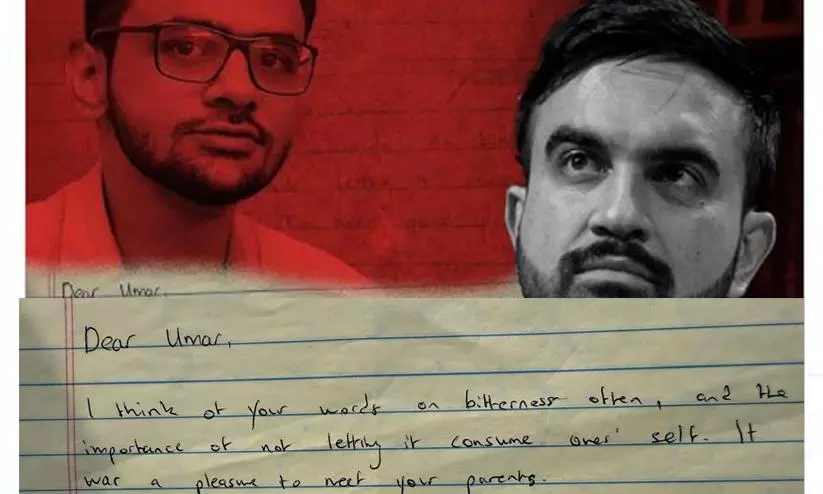

New York Mayor Zohran Mamdani has written a personal letter to imprisoned human rights activist Umar Khalid, a gesture that has drawn attention not only because it was shared on the day Mamdani was sworn in as mayor, but also because it echoes an earlier instance in 2023 when he read out Khalid’s prison notes in New York ahead of Prime Minister Narendra Modi’s visit to the city.
The letter, circulated by Khalid’s friends, coincided with Mamdani’s historic inauguration as the first Muslim mayor of New York and one of the youngest to hold the office in generations, while also signalling a continuity in his engagement with issues of civil liberties and political incarceration beyond the United States.
“Dear Umar, I think of your words on bitterness often, and the importance of not letting it consume one’s self. It was a pleasure to meet your parents. We are all thinking of you.”
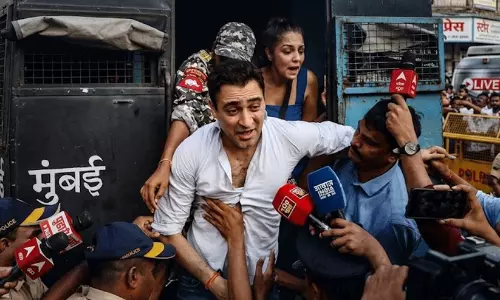
Khalid, a former student activist and scholar associated with Jawaharlal Nehru University, is currently lodged in Delhi’s Tihar Jail under the Unlawful Activities Prevention Act in connection with the alleged conspiracy behind the 2020 Delhi violence, and he is among more than a dozen academics, student organisers, and Muslim leaders accused in the same case.
Although he was arrested nearly six years ago, Khalid has yet to face trial, and his repeated bail applications have been denied, a circumstance that has attracted sustained criticism from human rights groups who argue that prolonged pre-trial detention under stringent anti-terror laws effectively amounts to punishment without adjudication.
Mamdani’s letter follows his public intervention in 2023, when, as a member of the New York State Assembly, he read Khalid’s writings at a New York event organised ahead of Modi’s visit, situating Khalid’s incarceration within broader concerns about democratic erosion and the use of national security legislation against dissent.
At that time, Mamdani had highlighted Khalid’s work against lynching and hate, his extended incarceration without trial, and the allegation that he had survived an assassination attempt, thereby introducing Khalid’s case to an international audience.