











India engages China, Russia in high-stakes diplomacy amid US tariff row
text_fields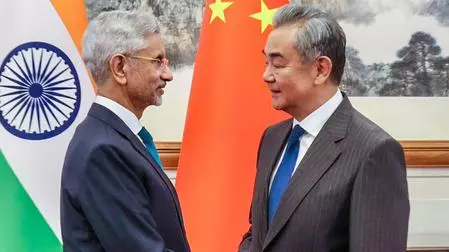

New Delhi: Amid rising geopolitical frictions over India’s energy trade with Russia and fresh US tariffs on Indian exports, New Delhi is preparing for back-to-back high-level interactions with both China and Russia—two of Washington’s principal strategic rivals. The parallel outreach underscores India’s nuanced foreign policy calculus in a rapidly evolving global landscape.
On August 18, Chinese Foreign Minister Wang Yi is scheduled to arrive in India for discussions under the Special Representatives (SR) mechanism, a bilateral framework focused on managing and resolving the protracted border dispute. National Security Advisor Ajit Doval will lead the Indian side.
Although the SR talks have remained inactive in recent years due to tensions following the Galwan clash, the upcoming meeting is being read as a cautious yet constructive signal from both capitals. Wang is also expected to meet Prime Minister Narendra Modi.
Ties between India and China have been deeply strained since the 2020 Galwan Valley clashes in eastern Ladakh. Diplomats believe Wang’s visit could mark the beginning of a slow, step-by-step process toward restoring normalcy and rebuilding trust, TNIE reported.
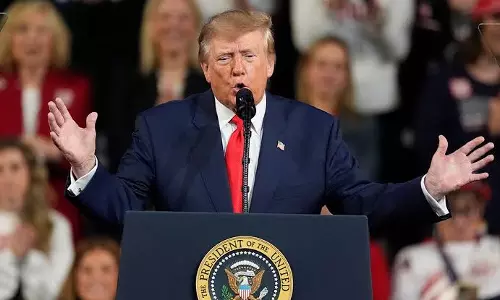
This diplomatic opening comes against the backdrop of heightened friction with Washington. Earlier, the United States imposed an additional 25% tariff on a range of Indian exports, widely interpreted as punitive action over India’s continued purchase of Russian oil at discounted rates. The decision is seen as a marker of increasing limits of strategic convergence between India and the US, particularly when core interests diverge.
More importantly, the Chinese foreign minister’s visit could pave the way for a potential meeting between Prime Minister Narendra Modi and President Xi Jinping at the Shanghai Cooperation Organisation (SCO) summit in Tianjin on August 31—Modi’s first trip to China in seven years.
The diplomatic overture comes at a time of mounting strain in New Delhi’s ties with Washington. The United States recently slapped an additional 25% tariff on several categories of Indian exports, a move widely seen as retaliation for India’s continued purchases of discounted Russian oil. Analysts view this as evidence of the limits to India–US strategic alignment when core national interests diverge.
Against this backdrop, External Affairs Minister S. Jaishankar’s upcoming visit to Moscow on August 20–21 carries added weight. He will co-chair the annual session of the India–Russia Inter-Governmental Commission on Trade, Economic, Scientific and Cultural Cooperation (IRIGC-TEC) alongside Russian Foreign Minister Sergey Lavrov. The forum remains a key channel for steering bilateral trade, energy partnerships, and broader economic engagement.