














‘Her original sin is being a Muslim in Modi’s India’: SC bail to Bilkis Bano’s rapists draws condemnation
text_fields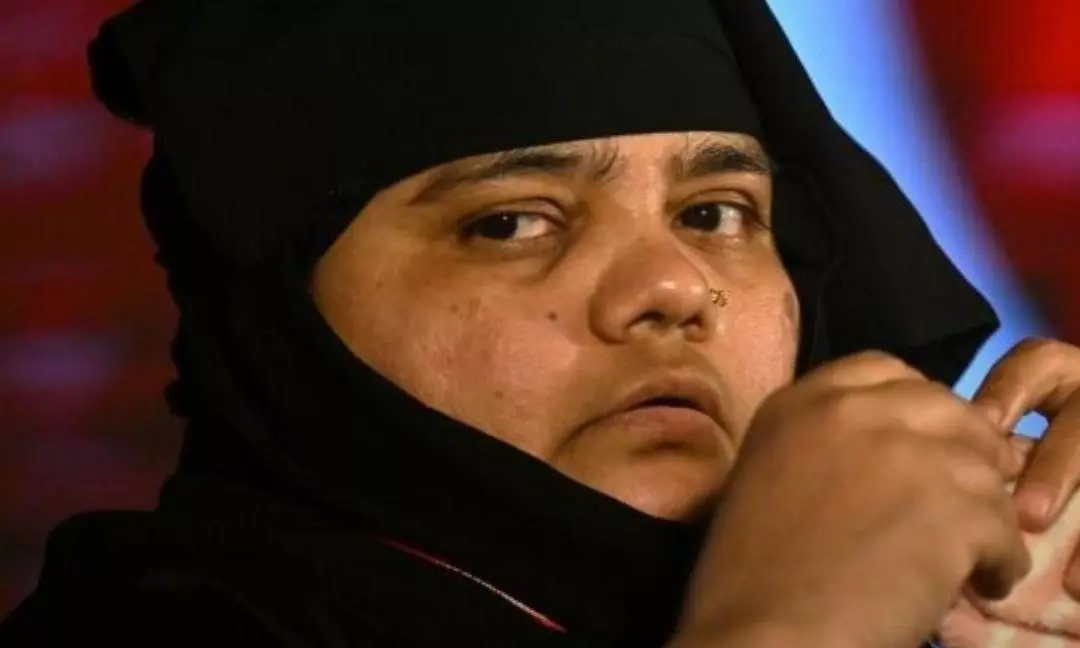

The suspension of the life sentences of two of the convicts in the gang-rape of Bilkis Bano and the murder of her family members during the 2002 Gujarat Muslim genocide by the Supreme Court drew widespread condemnation from diverse quarters of public life, with Congress MP and senior leader Pawan Khera lamenting the absence of national outrage over a crime of such magnitude and attributing this to her being a Muslim in Modi’s India, seeing it as her original sin.
The criticism came after Bano expressed shock and anguish over the order, saying she had learnt of the decision through press reports and had not been informed or given an opportunity to be heard before it was passed.
Khera said Bano was being subjected to ‘fresh humiliation and trauma’ after the brutality she had already endured, and argued that the crime should have triggered a nationwide reckoning on women's safety, justice and accountability, similar to the public response following the Nirbhaya case, which led to the Justice J.S. Verma Committee and the Criminal Law (Amendment) Act, 2013.
‘But no outrage or action for Bilkis Bano. And why not? Because she is a Muslim in Modi's India. That is her original sin,’ he said.
Congress MP Syed Naseer Hussain also expressed deep concern, saying that Bano's pain, struggle for justice and dignity as a survivor could not be disregarded, while affirming solidarity with her continued pursuit of justice.
CPI(M) general secretary M.A. Baby described the order as ‘shocking and reprehensible’, pointing to what he called the glaring contrast between the release of individuals convicted of heinous crimes and the continued incarceration of young activists and undertrial prisoners who have spent years in jail without trial. He also recalled that the same convicts had previously abused the legal process to obtain remission from the Gujarat government in 2022.
Jamaat-e-Islami Hind national secretary Rahamathunnisa Abdulrazack said the decision raised serious questions about survivors' rights and public confidence in the justice system, particularly as Bano had not been informed or heard despite the Supreme Court's recognition of victims' independent right to participate in criminal proceedings.
Trinamool Congress MP Mahua Moitra, who had challenged the convicts' release in 2022 alongside Subhashini Ali, questioned why the same Supreme Court that had quashed their remission and ordered their return to prison had now granted them bail without informing Bano.
The Students Islamic Organisation of India (SIO) and the National Federation of Girls Islamic Organisation also condemned the decision, arguing that a survivor's dignity, security and right to be heard must remain central to the justice process, while warning against the glorification of perpetrators of sexual violence. AISA national president Neha Bora expressed solidarity with Bano's struggle.
Meanwhile, a bench of Justices M.M. Sundresh and Prasanna B. Varale passed the contested bail order while hearing appeals against the Bombay High Court's 2017 verdict, citing the convicts' incarceration of over seventeen years and the severe disability of one appellant.
During the March 2002 pogrom, a Hindutva mob had gang-raped a five-month-pregnant Bano and slaughtered seven of her relatives, including her three-year-old daughter Saleha, yet Bano declared her unwavering resolve to fight the ruling for her children and for women everywhere.