









Disparity in immunisation drive widens as rural India falls behind: Report
text_fields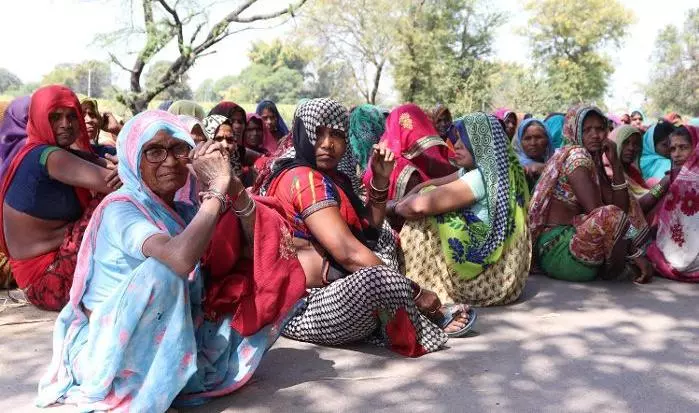

New Delhi: Rural Indians have received relatively far fewer vaccine doses than urban, leaving the former more vulnerable to the pandemic, according to government data, reports Reuters. In 114 of the country's least developed districts, housing 176 million people, only 23 million doses of vaccines were administered.
At the same time, the same number of doses was done across nine major cities with a combined population equals only to half of the mentioned underdeveloped districts.
This shortfall leads to a rising inequity in the immunisation drive in the nation, the report says, quoting Dr Rajib Dasgupta, head of the Centre of Social Medicine and Community Health at New Delhi's Jawaharlal Nehru University.
Last month, after the government allowed private sales of vaccines for adults aged under 45, the disparity was stronger. The government's move only favoured city dwellers since only cities have well-functioning private hospital networks. For the first four weeks in May, the nine major cities of New Delhi, Mumbai, Kolkata, Chennai, Bengaluru, Hyderabad, Pune, Thane and Nagpur received 16 per cent more doses than the combined rural districts in the country, as per the government data.
Some of the rural inhabitants are ready to pay for the vaccine, but doses aren't available. Also, the district borders are closed due to lockdown.
While urban areas account for the major share of covid positive cases, many in rural areas say that the pandemic statistics undercount cases in villages and testing is less comprehensive.
Since May, individual states were asked to procure vaccines for younger adults, even provide them commercially through the private sector.
Poorer states like Jharkhand responded to this that their residents are vulnerable. Since almost all the districts in Jharkhand are categorised as poor, the state urged PM Modi to give free vaccines to all age groups there. In most states, vaccines for those below 45 aged is available only in urban circles, and health officials say that it is because of the high spreading rate in cities. Many MNCs and domestic firms vaccinated their employees by partnering with private hospitals, but these were also happening in cities.
The uneven internet services that make it difficult to register online and relative lack of hesitancy for shots are also pointed out, by officials, as factors in depressing vaccination in rural areas.
The Supreme court criticised the Centre for its lousy handling of the situation and directed it to provide a breakdown of shots given in rural and urban areas.
India has administered more than 222 million since vaccination commenced in mid-January this year and required two shots to around 5 per cent of its 950 million adults. The Health system in many places reportedly collapsed during April and May this year, under the pressure of the pandemic second wave, putting more strain on the immunisation drive. A response was sought regarding the disparity in immunisation drive, but The Ministry of Health and Family Welfare hasn't commented yet.
(based on Reuters report)