















Clean environment a right to life: SC mandates pan-India waste management overhaul ahead of 2026 rules
text_fields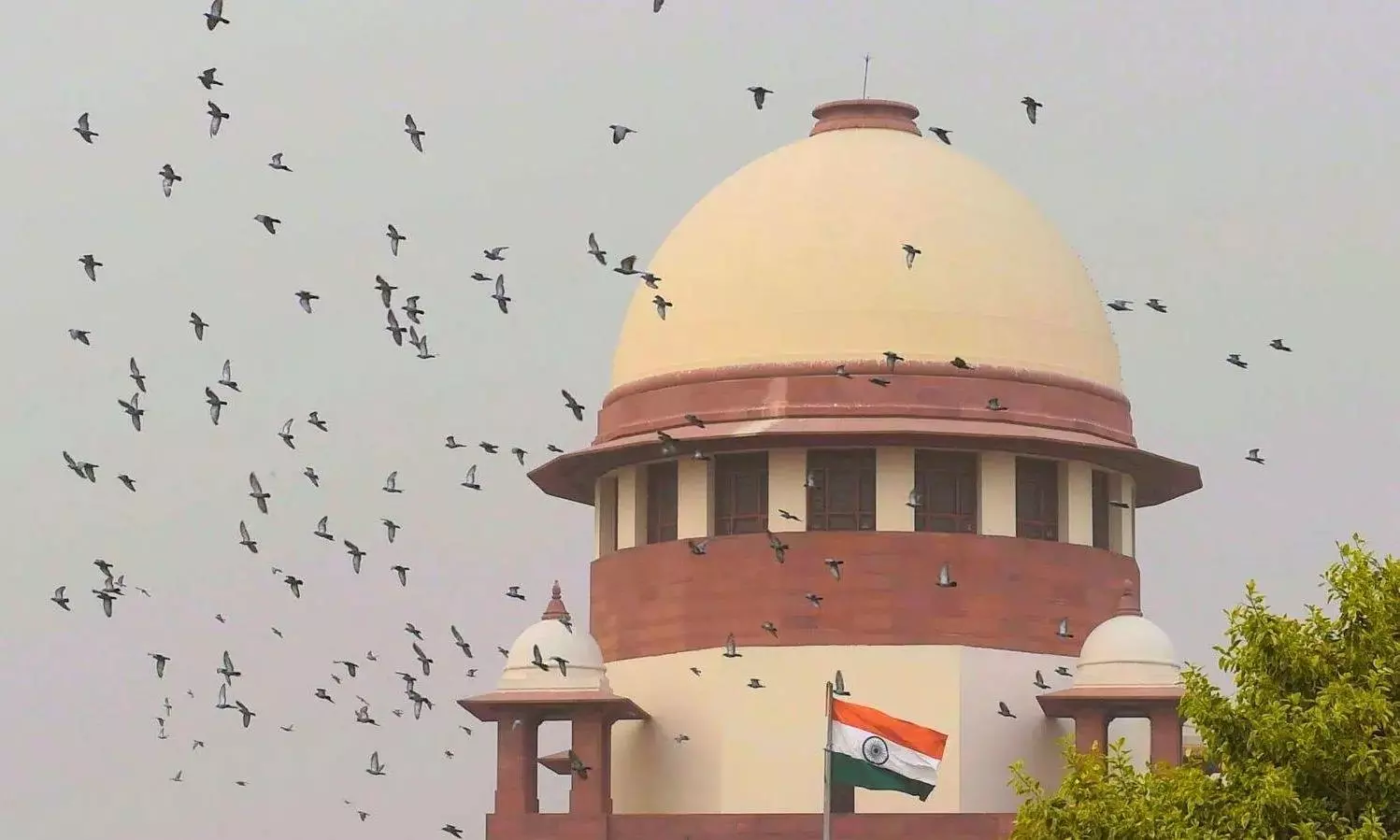

New Delhi: The Supreme Court has ruled that a clean, healthy environment forms an inseparable part of the right to life, issuing sweeping pan-India directives to enforce the Solid Waste Management (SWM) Rules, 2026, effective April 1, amid glaring compliance gaps nationwide.
In a February 19 order, Justices Pankaj Mithal and S V N Bhatti flagged uneven adherence to SWM rules, with source segregation into wet, dry, and hazardous streams lagging in urban and rural areas despite mandates, and massive dumpsites persisting in metros even as bio-remediation begins. Hearing appeals from National Green Tribunal orders on Bhopal Municipal Corporation's lapses under 2016 rules, the bench warned that neglecting solid waste harms health and economy alike, especially as global eyes turn to India's tech prowess. " It is now or never. Expecting high results without fundamental spadework of source segregation and infrastructure would be unreasonable. Every stakeholder is duty-bound to ensure the realisation of a waste-free India," they stated, linking rising waste to economic growth.
The court reminded states of their duty to safeguard the environment and citizens' well-being, designating councillors, mayors, and ward members as lead facilitators to educate and enroll every citizen in segregation under the 2026 rules. District collectors must conduct infrastructure audits, report issues and actions to chief secretaries promptly, oversee local bodies like corporations, municipalities, and panchayats, and escalate non-compliance to state and central levels. Every local body has to set and share a firm timeline for 100% compliance, emailing photographic proof of waste removal and readiness to collectors.
Pollution control boards should fast-track facilities for four-stream segregation—wet, dry, sanitary, and special care—while local bodies notify bulk generators of the rules and this order, demanding full compliance by March 31. The Ministry of Environment, Forest and Climate Change must weave waste practices into school curricula per Rule 33, and summaries of citizen-focused rules get translated into local languages to close awareness gaps. Local bodies will run campaigns teaching waste minimization, home composting, secure sanitary waste wrapping, and proper handover of segregated waste.
Non-compliance shifts from administrative oversight to strict enforcement: immediate fines for starters, criminal prosecution for persistence under environmental laws targeting contributors, abettors, and negligent officials, with mobile courts eyed for on-spot violations. The apex court urged high court chief justices and tribunal heads to ensure their institutions comply from April 1, framing these steps as essential prep for the rules' rollout.
(Inputs from PTI)