











Aurangzeb’s descendants now rickshaw pullers in Kolkata, claims Yogi Adityanath
text_fields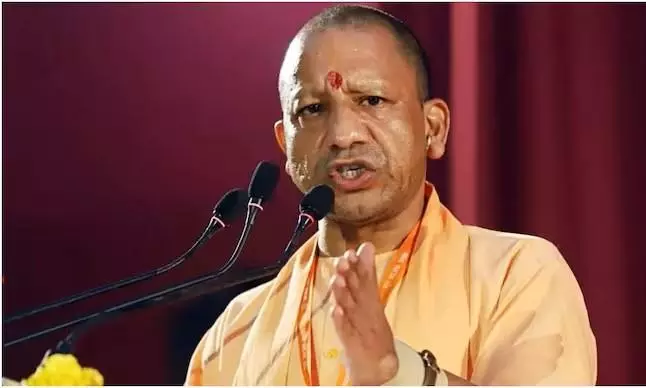

Ayodhya: Uttar Pradesh Chief Minister Yogi Adityanath has sparked a fresh conversation on historical narratives, claiming that the descendants of the Mughal Emperor Aurangzeb are currently living near Kolkata and earning their livelihood as rickshaw pullers.
Speaking at a religious gathering at the Asarfi Bhawan Peeth in Ayodhya on Friday, the Chief Minister framed this alleged decline in the Mughal lineage as a form of "divine justice."
Adityanath attributed the reported plight of Aurangzeb's progeny to the emperor's historical actions against religious sites.
"Some told me that Aurangzeb's descendants are living near Kolkata, earning their livelihood as rickshaw pullers," Adityanath told the gathering. "Had Aurangzeb not defied divinity and engaged in destructive acts against temples and religious sites, his progeny might not have faced such circumstances."
He cited historical instances of temple destruction, specifically mentioning Kashi Vishwanath Dham, Ayodhya, Sambhal (associated with the Kalki Avatar), and Bhojpur, stating that "Hindu temples have been repeatedly targeted over centuries."
Broadening the scope of his address, the Chief Minister expressed deep concern regarding the persecution of Hindus in neighbouring nations, contrasting it with the inclusive philosophy of Sanatan Dharma.
"Our sages envisioned the concept of 'Vasudhaiva Kutumbakam' (the world is one family) thousands of years ago. Sanatan Dharma is the only religion that has offered refuge to all sects and faiths during times of crisis," he observed.
However, he questioned the reciprocity of this tolerance. "Has the same treatment been extended to Hindus in return? What transpired in Bangladesh, and earlier in Pakistan and Afghanistan, is a testimony to the challenges faced by Hindus," Adityanath said, urging the community to unite and preserve Sanatan values.
Aurangzeb, who ruled the Mughal Empire in the 17th century, remains a polarising figure in modern Indian political discourse. While often cited by historians for his administrative reach, he is frequently criticised by right-wing groups and political leaders for his religious policies and the demolition of temples during his reign.