
















West Asia conflict slows motorcycle demand, pushes buyers towards EVs: Bajaj Auto
text_fields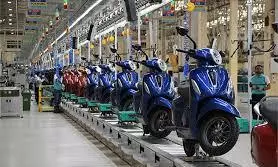

Bajaj Auto on Wednesday said the conflict in West Asia has affected demand for motorcycles in India, particularly in the entry-level segment, while increasing consumer interest in electric scooters.
Bajaj Auto Executive Director Rakesh Sharma said the motorcycle industry’s growth had slowed sharply from more than 20 per cent in the fourth quarter of 2025-26 to around 9 per cent in April.
He said the company now expects industry growth to remain between 7 and 9 per cent going forward.
“There was a point of inflection between March and April driven by all sorts of ramifications from the geopolitical crisis in the Middle East,” Sharma said during an earnings call.
According to him, the crisis has led to LPG shortages, supply chain disruptions, inflationary pressure and weaker consumer sentiment. He added that the entry-level motorcycle segment was being hit harder as consumers became more cautious with spending.
Sharma also pointed to operational challenges linked to the conflict, including manpower shortages and difficulties in outbound logistics, especially for exports.
Despite the slowdown, he said the premium motorcycle segment above 150cc continued to perform strongly and was expected to grow at nearly twice the industry rate. Bajaj Auto has a strong presence in that category.
The company also said the situation has accelerated consumer preference for electric scooters as concerns over fuel prices rise.
Sales of Bajaj Auto’s electric scooter Chetak grew 40 per cent in the fourth quarter and continued to rise by over 60 per cent in April, outpacing traditional petrol-powered scooters.
Sharma said expectations of petrol price hikes were influencing consumer behaviour and driving more buyers toward electric vehicles.
He also noted that rising commodity prices had pushed companies to increase vehicle prices, partially offsetting the impact of earlier GST cuts that had helped boost demand.