

















War, El Niño threaten to deepen global food inflation into 2027
text_fields

Singapore, October 19: Global food inflation is expected to accelerate in the coming months and persist into 2027 as war-related shipping disruptions and El Niño-driven drought threaten supplies, increasing pressure on vulnerable households, Reuters reported.
Food prices are rising sharply across low- and middle-income countries in Asia, the Middle East and North Africa, where poorer families spend a larger share of their income on food. The World Bank found that food inflation exceeded overall inflation in 22% of the 150 countries it analysed during the September quarter, up from 14% in the previous quarter.
The United Nations’ Food and Agriculture Organization (FAO) Food Price Index reached 136 points in September, its highest level since November 2022. The agency expects price pressures to intensify towards the end of this year and continue through 2027.
Multiple supply disruptions are worsening the outlook. Attacks on Black Sea grain infrastructure have affected wheat shipments, while insecurity in the Red Sea has forced vessels onto longer, more expensive routes. The US-Israeli war on Iran has raised fuel costs and disrupted fertiliser exports through the Strait of Hormuz.
Wheat prices have risen more than 30% this year, while rice prices in major Asian exporting countries have increased by 10%–13%, despite substantial inventories.
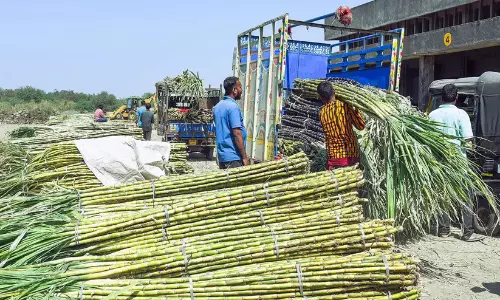
Weather-related production shortfalls are adding to the pressure. In India, prices of sugar, onions and pulses rose more than 10% in September from the previous month, while sugar prices reached record highs amid a weak monsoon. Bread prices in Egypt and cooking oil prices in the United Arab Emirates have also increased.
The worsening crisis threatens to deepen food insecurity and trigger social unrest, while export restrictions by major suppliers could further tighten global supplies.