






UK police faith guidelines trigger backlash over advice on Muslim customs
text_fields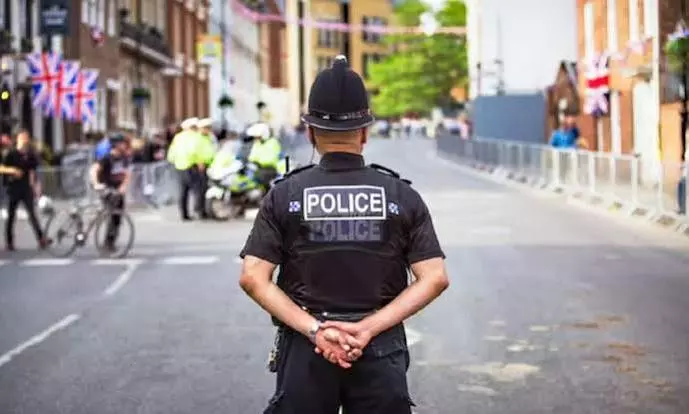

Guidelines advising UK police officers to respect Muslim religious practices during interactions with the community have sparked a political row, with opposition leaders accusing the police of promoting "two-tier policing".
The recommendations are part of a National Faith Toolkit issued by the National Police Chiefs' Council (NPCC), which offers advice on engaging with different religious communities.
Officers visiting mosques or Muslim homes are advised to dress modestly, remove or cover their shoes, avoid using police dogs, and refrain from interrupting prayers. The toolkit also asks officers to respect gender-specific sections of religious buildings and consider sensitivities around physical contact and communication between men and women.
In some situations, officers are advised to consider whether a colleague of the same gender would be more appropriate. The guidance also covers religious practices surrounding death and post-mortem examinations.
Reform UK leader Nigel Farage demanded the guidelines be withdrawn, accusing the police of compromising equal treatment. Shadow Home Secretary Chris Philp also criticised the recommendations, saying officers must treat everyone equally regardless of faith or ethnicity.
The NPCC defended the toolkit, saying it was developed with contributions from religious and community organisations to help officers engage with Britain's diverse population.
"Religious and cultural considerations do not override the law or the operational duties of police officers," an NPCC spokesperson told The New York Post.
The controversy comes amid continued scrutiny of police failures in handling organised child sexual exploitation cases, particularly grooming gangs in Rotherham, Rochdale and Telford.
A 2025 national audit led by Baroness Louise Casey highlighted failures in investigations and information-sharing. It also found that some authorities had avoided examining suspects' ethnicity and cultural backgrounds over concerns about appearing racist or creating community tensions.