










Delhi Police tells Supreme Court journalist protections do not cover ‘reel-makers’
text_fields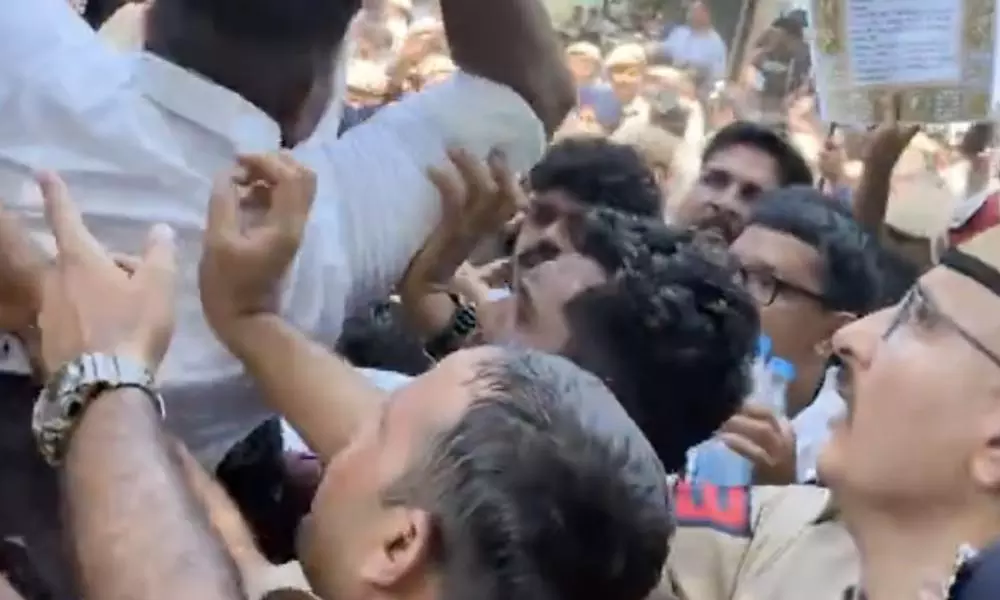

New Delhi: The Delhi Police has told the Supreme Court that judicial protections meant for journalists covering protests do not extend to social media influencers or content creators, whom it described as “reel-makers.”
In a counter-affidavit filed before the court, the police argued that the distinction was necessary because several people at recent anti-Chief Election Commissioner protests carried cameras and microphones while making YouTube reels, making it difficult for officers to identify genuine journalists on the ground.
The submission came in response to the Supreme Court’s October 11 order, which recorded the government’s assurance that lawyers, journalists and other professionals would not be prevented from carrying out their professional duties. Delhi Police said that assurance applied to journalists and not to “reel-makers, social media influencers or unruly elements” at a prohibited assembly.
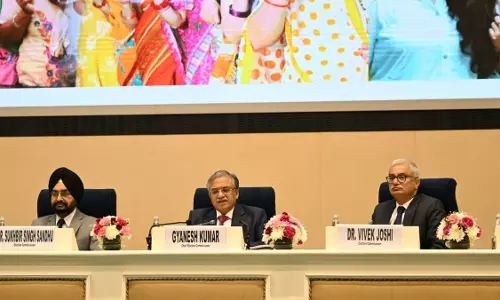
The affidavit was filed by Joint Commissioner of Police Surrender Kumar in response to petitions by the Network of Women in Media, Free Speech Collective, Delhi Union of Journalists and Kerala Union of Working Journalists. The groups alleged police misconduct against journalists covering protests against Chief Election Commissioner Gyanesh Kumar and the Special Intensive Revision of electoral rolls.
The police said it had not restricted citizens from reporting or sharing information, and claimed that no one had been proceeded against solely because they lacked press accreditation or an identity card. At the same time, it maintained that restrictions at protest sites applied uniformly to everyone, whether or not they identified as journalists.
It also defended its October 5 advisory, which asked journalists covering protests to carry valid identity cards from their organisations or accreditation cards issued by the Press Information Bureau or the Directorate of Information and Publicity. The police described the advisory as “facilitative and precautionary,” saying it was intended to help officers identify journalists and ensure their safety.
The affidavit relied on the Central Media Accreditation Guidelines, 2022, under which journalism must be a person’s principal vocation and the person must be employed by or associated with a recognised news establishment. It also cited Press Council of India guidelines issued on October 15 concerning identification, professional conduct and reporting at demonstrations.
The police denied deliberately obstructing journalists or preventing them from reporting. It said any journalist removed from a protest site because of mistaken identity was released immediately after verification of credentials.
It also said that videos from the protests had circulated widely on social media and been broadcast by national and international outlets, which it argued contradicted claims that journalists had been prevented from witnessing or reporting events.
The police acknowledged that some journalists had been “inadvertently” removed from protest sites, attributing this to misidentification. It denied seizing media equipment belonging to journalists.
Regarding complaints by women journalists after the October 3 protest near Jantar Mantar, the police said four complaints were received and transferred to the Crime Branch. It claimed that a review of CCTV footage did not corroborate the specific allegations of sexual harassment.
The protests began on September 25 against the Election Commission’s handling of the Special Intensive Revision exercise. Demonstrations were held around Jantar Mantar and other parts of central Delhi on October 2, 3 and 4, with participants demanding the resignation of Chief Election Commissioner Gyanesh Kumar.
On October 2, police detained hundreds of protesters, including leaders and workers from political parties, student organisations and civil society groups. Reports said more than 1,000 people were taken into custody and transported to police stations across the capital.
On October 10, the Cockroach Janta Party organised another anti-CEC protest, during which police detained more than 7,000 people. Several journalists said they were detained despite displaying press identification cards, while others alleged that their phones were seized or that they were pressured to delete footage.
Journalist bodies and rights groups approached the Supreme Court between October 11 and 14, seeking action over the alleged unlawful detention and mistreatment of journalists covering the protests.