















US lawmakers call out Trump tariffs after trade talks with Canada collapse
text_fields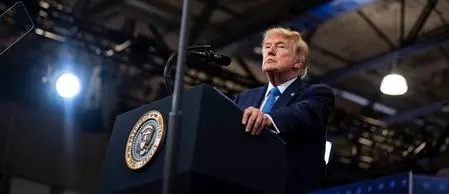
Photo: IANS

Washington: The collapse of trade talks with Canada and the introduction of 50% tariffs, according to a group of US congressmen, will increase costs, disrupt cross-border enterprises, and increase uncertainty in one of America's most significant economic connections.
The new US tariffs on a range of Canadian products took effect on Saturday after negotiations failed to produce an agreement. Canada has announced that it will retaliate with matching duties, IANS reported.
Republican Senator Susan Collins said the “on-again, off-again” negotiations were creating higher costs, risk and uncertainty for businesses in her home state of Maine.
“If the Administration proceeds with these tariffs, they will increase costs for Maine families, as most businesses will have no choice but to pass on the tariffs to their customers through higher prices,” Collins said.
Maine imports approximately $2 billion in non-petroleum products from Canada annually, she said, adding that farmers, lobstermen and other businesses were concerned about supply-chain shortages and possible Canadian retaliation.
Collins urged Washington and Ottawa to return to the negotiating table and reach what she described as a fair agreement.
Democratic Senator Peter Welch, a member of the Senate Finance Committee, said the tariffs amounted to a “slap in the face” to businesses and farmers in Vermont and other northern border states.
Welch said commercial relationships built over several decades were being placed in jeopardy and urged President Donald Trump to find an “off-ramp” from the trade confrontation.
He also called on Republican lawmakers to reclaim Congress’ constitutional authority over tariffs, arguing that the legislature had surrendered too much power over trade policy to the executive branch.
Representative Richard Neal, the ranking Democrat on the tax-writing House Ways and Means Committee, accused Trump of changing his demands at the last minute and undermining negotiations with one of America’s closest allies and trading partners.
Neal warned that US workers, businesses and consumers would bear the economic cost of the breakdown.
Canadian Prime Minister Mark Carney said Ottawa suspended the negotiations after the United States introduced new terms that Canada considered unfair and economically damaging.
Carney said Washington had “asked too much and offered too little” and that Canada would not compromise its sovereignty, cultural protections or key industries.
The Canadian government said the United States intended to impose 50 per cent duties on approximately C$28 billion worth of Canadian products. Ottawa has promised dollar-for-dollar retaliation and additional assistance for affected workers and companies.
US Trade Representative Jamieson Greer blamed Canada for the breakdown, saying Ottawa had declined to finalise terms discussed earlier and had withdrawn or altered commitments.
The dispute has renewed demands in Congress for legislation that would subject presidential tariffs to legislative review. Collins and Welch have both supported measures intended to reassert congressional authority over major tariff decisions.
The latest confrontation threatens to further strain the deeply integrated North American economy, where manufacturing, agriculture, energy and transportation supply chains frequently cross the US-Canada border several times before finished products reach consumers.