











UK slaps sanctions on British National, ‘Babbar Akali Lehar’ for terrorist activity
text_fields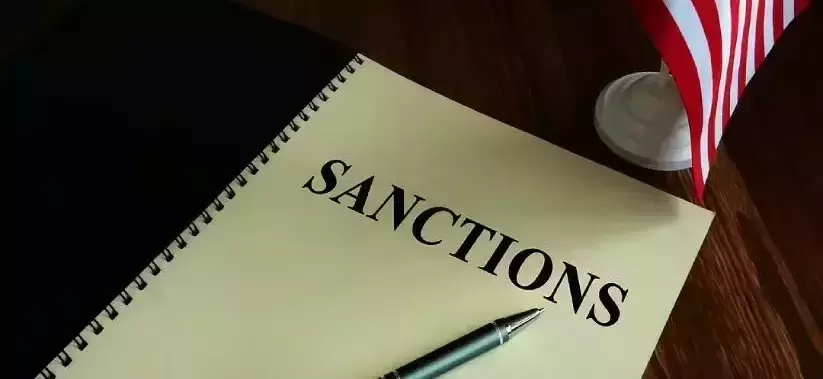

The UK Treasury has imposed sanctions on a British citizen and on an organisation called Babbar Akali Lehar, accusing both of involvement in terrorist activities in India and of supporting the pro-Khalistan extremist group Babbar Khalsa.
Officials noted that this marks the first instance of Britain applying its internal counter-terrorism sanctions to disrupt financing linked to Babbar Khalsa.
According to the treasury, 34-year-old Gurpreet Singh Rehal from Leeds was blacklisted after authorities concluded that he had allegedly encouraged or promoted extremist activity, helped with recruitment, and provided financial services, weapons and military supplies to both Babbar Khalsa and Babbar Akali Lehar. The organisation itself was sanctioned for similar suspected activities, including recruitment efforts, the Wire reported.
Under the sanctions, UK citizens and companies are barred from handling money or assets associated with Rehal, Babbar Akali Lehar or any businesses connected to them.
Rehal is also banned from serving as a company director or taking part in corporate management. The treasury warned that breaching these measures could lead to prison sentences of up to seven years or financial penalties.
The UK government stressed that it intends to prevent extremist groups from exploiting the British financial system, and reiterated that it aims to block any flow of terrorist financing, wherever the activity originates. Officials said they stand with peaceful communities against groups that incite violence or hatred.
Babbar Khalsa, also called Babbar Khalsa International, is a pro-Khalistan Sikh extremist group known for its role in the 1985 bombing of Air India Flight 182, which killed 329 people, mostly Canadian citizens. A second bomb planted the same day killed two baggage handlers at Tokyo’s Narita airport.
Concerns over Khalistani extremism in the UK have been repeatedly raised by India. Prime Minister Narendra Modi discussed the issue with his British counterpart, Keir Starmer, during meetings in July at Chequers and again in Mumbai in October.
Their discussions followed the March 2023 incident in which Khalistani protesters targeted the Indian High Commission in London. While the UK government maintains that peaceful protest cannot be restricted, both leaders agreed on the need to act against extremist elements through legal channels, according to Indian officials.