
















Israel, Iran halt attacks after Trump’s intervention
text_fields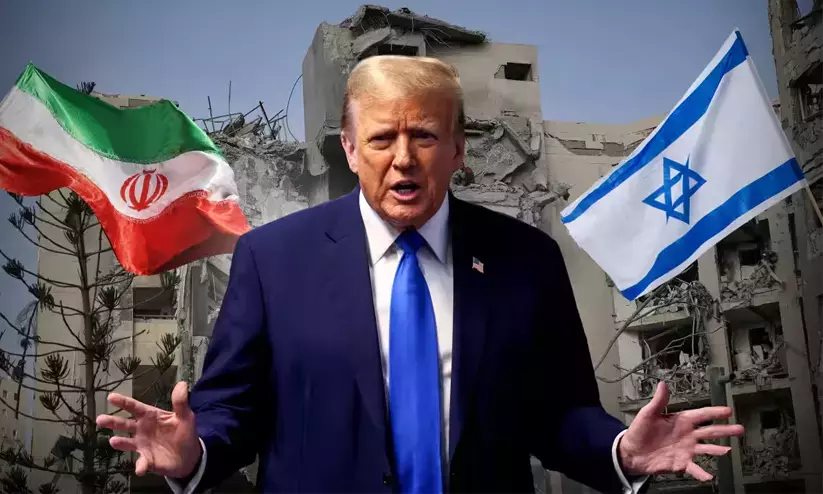

Tel Aviv: Israel and Iran have stepped back from further military action following a fresh round of hostilities that raised fears of a wider regional war, with both sides indicating that attacks have been halted for now after intervention by US President Donald Trump, The Guardian reported.
Israeli Prime Minister Benjamin Netanyahu said fighting with Iran had stopped after the latest exchange of missiles and air strikes. However, he warned that Israel would respond militarily if Iran launched any future attacks.
The confrontation marked the most direct clash between the two countries since an April ceasefire. Iran launched ballistic missile attacks on Israel, while Israeli warplanes carried out retaliatory strikes inside Iran. The escalation followed Israeli attacks on the southern suburbs of Beirut, a Hezbollah stronghold in Lebanon.
Despite the pause, tensions remain high. Israeli Defence Minister Israel Katz said military operations against Hezbollah in Lebanon would continue and warned that any attempt to link the Lebanese front with Iran would trigger a strong Israeli response. Israel has repeatedly rejected Iranian efforts to tie a lasting ceasefire to an end to Israeli military operations against Hezbollah.
Iran also maintained a firm position. Senior Iranian official Mohammad Bagher Ghalibaf said Tehran would continue responding to what it views as repeated violations and indicated that Iran's stance would remain unchanged unless trust-building measures emerged.
The latest crisis also drew in Yemen’s Iran-aligned Houthis, which launched attacks toward Israel and threatened Israeli-linked shipping in the Red Sea.
Trump has intensified efforts to prevent a broader conflict, reportedly pressuring Netanyahu to halt military operations and create space for diplomatic negotiations aimed at ending the wider confrontation with Iran. According to reports, Trump warned Netanyahu that further escalation could leave Israel increasingly isolated.
Analysts, however, describe the current pause as highly fragile, warning that multiple flashpoints remain across the region and could rapidly trigger another round of missile attacks and military strikes.