


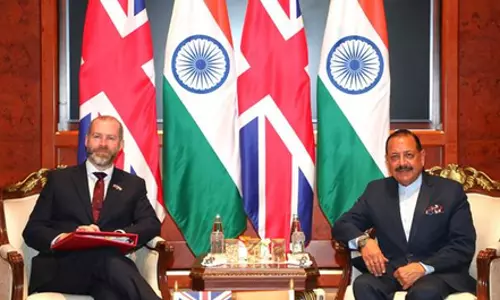














Iranian envoy to Saudi blames US, Israel for Gulf attacks, denies Tehran's role
text_fields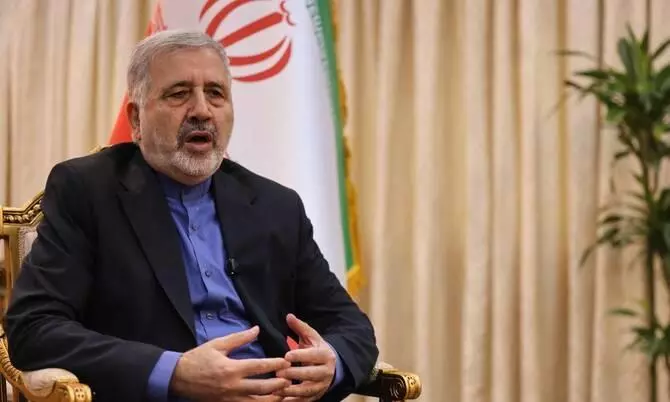

London: Iran's ambassador to Saudi Arabia, Alireza Enayati, claimed on X Sunday that Tehran's "enemies"—specifically the US and Israel—are behind recent attacks on Gulf states, using drones disguised as Iranian-made Shahed models renamed "Lucas."
In a message attributed to Iran's military, Enayati denied responsibility for strikes on neighbours, stating Tehran only targets US and Israeli interests in retaliation for attacks on its soil. "The Islamic Republic of Iran only attacks targets, centers, and interests of the United States and the Zionist entity, and will bear responsibility for any place it targets by issuing an official statement," it read.
Regional reports note thousands of Iranian missiles and drones launched towards the Gulf since late February, hitting US assets but also airports, ports, energy sites, and civilian areas. Enayati told Reuters Iran isn't behind attacks on Saudi oil facilities like Ras Tanura and Shaybah.
The post drew sharp online backlash. Users questioned Iran's delayed clarification, noted contradictions with its military statements, and argued even US-targeted strikes risk Gulf civilians—like a woman and child killed in Bahrain and Kuwait. Critics highlighted conflicting messaging from Iranian officials.
The UN Security Council adopted a resolution on Wednesday condemning Iran's strikes on Gulf states and Jordan, demanding an immediate halt. Thirteen of 15 members voted yes; it was sponsored by the Gulf Cooperation Council and 135 co-sponsors.
Enayati told Reuters the war necessitates a "serious review" of Iran-Gulf ties to curb external influence and foster prosperity. "We are neighbors and we cannot do without each other," he said, blaming five decades of exclusionary policies and over-reliance on outsiders.
He advocated deeper GCC-Iraq-Iran links, noted ongoing Saudi contacts—including aid for Iranian pilgrims—and Riyadh's assurance against using its territory for anti-Iran attacks. Enayati framed the war as "imposed" on the region, urging the US-Israel to stop, Gulf non-involvement, and international guarantees for lasting peace to build prosperity.