
















Iran warns countries aiding US economic pressure will be treated as ‘enemies’
text_fields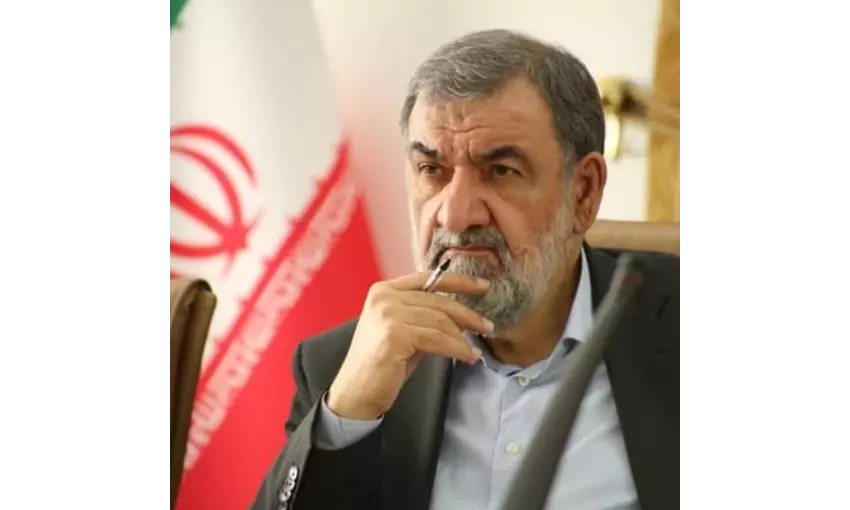

Tehran: Iran’s top security official Mohsen Rezaei has warned that Tehran will regard any country participating in the United States’ economic campaign against Iran as an “enemy.”
Rezaei, secretary of Iran’s Supreme National Security Council, made the remarks in an interview with state-run IRIB TV on Saturday.
He said Iran would initially seek talks with countries involved and urge them to remain outside the conflict. However, he warned that Tehran would target their interests if they refused.
Rezaei also said Iran would prevent oil exports through the Strait of Hormuz if neighbouring countries joined what he described as the US-led siege against Iran.
“Iran will not let even a single drop of oil be exported from the Strait of Hormuz,” he said.
He added that Iran had developed ways to circumvent US sanctions and continue its oil sales over the years, Xinhua news agency reported.
Rezaei reiterated that the Strait of Hormuz would remain closed until the United States fulfilled commitments under the Iran-US peace memorandum of understanding signed in June. He said Washington would have to take the first step this time.
Iranian Foreign Minister Seyed Abbas Araghchi said the latest US economic measures against Tehran would fail, just as earlier coercive efforts had.
“14 years ago: ‘Most crippling sanctions in history.’ Failed. Eight years ago: ‘Maximum pressure.’ Failed. Five months ago: ‘Unconditional surrender.’ Failed. Today: ‘Most crushing economic operation ever.’ Bound to fail,” Araghchi wrote on X.
The comments followed US President Donald Trump’s announcement on Wednesday of what he called “the most crushing economic operation ever taken” against any country providing Iran with support.
“This will be Economic Warfare and Isolation on an unprecedented scale,” Trump said in a post on Truth Social, describing the move as an “ECONOMIC D-DAY.”
The US and Iran signed a memorandum of understanding on June 18 aimed at ending the regional conflict on multiple fronts, including Lebanon. The two sides were expected to hold talks within 60 days to reach a final agreement, but the future of negotiations remains uncertain after tensions escalated between the countries last month.
(Inputs from IANS)