











WHO raises El Nino alert to top level, flags health risks across India
text_fields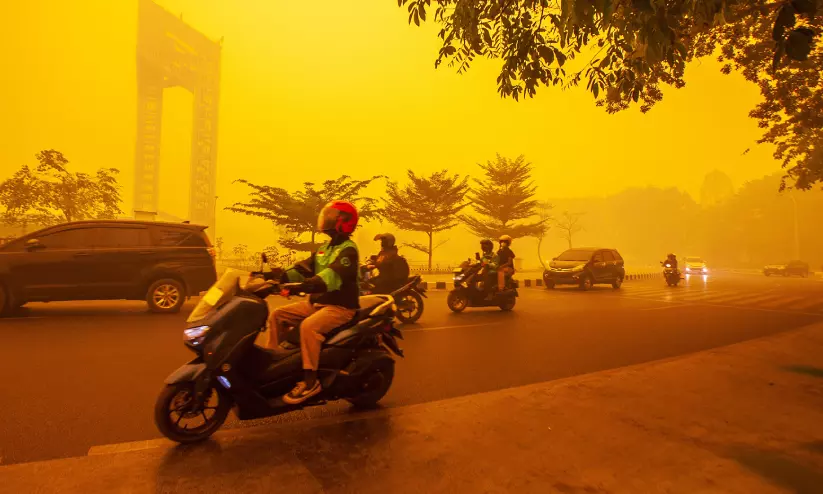

New Delhi: The World Health Organization (WHO) has raised its global response to El Niño to its highest emergency level, warning that the climate phenomenon could intensify health threats worldwide, with India among the countries facing high or very high risks, according to NDTV.
In a preparedness and response plan released on Monday, WHO classified its response as Grade 3, its top emergency designation, for October 2026 to September 2027. The move calls for coordinated action across its headquarters, regional offices and country teams as climate disruptions threaten to trigger public health emergencies.
WHO estimates it will need about $35 million for the first six months, from October 2026 to March 2027. The plan sets four priorities: detecting and monitoring risks, protecting populations and preventing illness, providing care and support, and strengthening health leadership and coordination.
El Niño is the periodic warming of surface waters in the central and eastern tropical Pacific, which can alter atmospheric circulation and rainfall worldwide. Its effects vary, bringing drought and extreme heat to some regions and heavy rain and flooding to others. WHO says it does not directly cause diseases but can create conditions that increase transmission and strain health services.
India was listed among countries facing high or very high public health risks in WHO’s global assessment published on September 5. South Asia was expected to experience above-normal temperatures and drier-than-usual conditions during August-October 2026. Bangladesh, Bhutan, Nepal, Sri Lanka and the Maldives were also included in the regional assessment.
The risks for India extend beyond heatwaves. Prolonged high temperatures can cause dehydration, heat exhaustion and heatstroke, while worsening cardiovascular, respiratory, kidney and metabolic conditions. Children, older people, pregnant women, outdoor workers and those with chronic illnesses are especially vulnerable.
Changing rainfall and temperatures can affect mosquito breeding and the transmission of infections. WHO identifies dengue as a high or very high risk for India, while malaria is a concern in the northeast. Drought can prompt households to store water in uncovered containers, creating breeding sites. Flooding and contaminated water can raise the risk of leptospirosis and other water-related infections.
Reduced rainfall may damage crops, threaten livelihoods, and worsen food insecurity, increasing the risk of malnutrition among young children and pregnant women. Extreme weather can damage health facilities, disrupt medical supplies and interrupt regular treatment for people with chronic conditions.
The warning comes as the Ministry of Earth Sciences told Parliament in August that the India Meteorological Department had forecast below-normal rainfall for the 2026 southwest monsoon, at 90 per cent of the Long Period Average, with a margin of error of four percentage points. El Niño conditions were also expected. However, it does not automatically mean a failed monsoon; its impact depends on its strength, timing and interaction with patterns such as the Indian Ocean Dipole.
WHO is urging countries to strengthen disease surveillance and early-warning systems, ensure access to essential medicines, protect water supplies and keep health facilities operational during extreme weather. India needs to link weather forecasts with public health monitoring and prepare hospitals and communities for heat, infections and water stress.
With India already identified as high-risk, the WHO alert underscores the need for early, coordinated preparedness before climate-related health emergencies unfold.
Based on NDTV report