







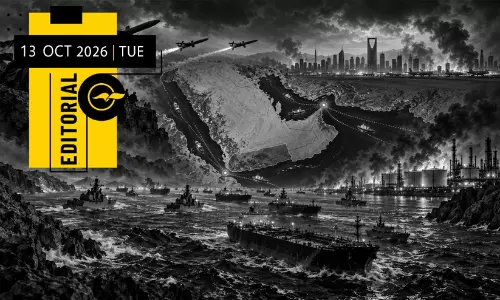








IMF warns of large global shock as Iran war hits energy supply
text_fields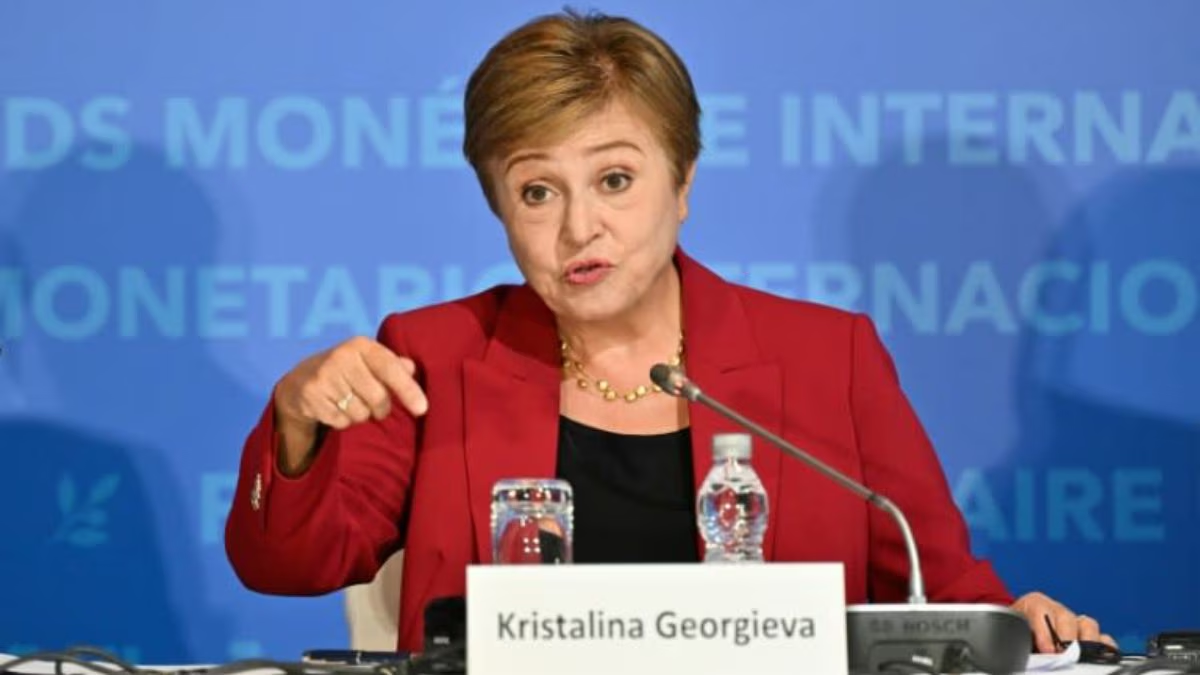

Washington: The head of the International Monetary Fund has warned that the Iran war has triggered a “large” global economic shock, disrupting energy supplies and driving up prices worldwide, with the impact expected to continue well into next year.
Kristalina Georgieva said the scale and duration of the disruption would determine its long-term consequences, but stressed that the effects are already being felt globally.
“What I can tell you is that this shock is large,” Georgieva said in an interview with CBS News’ Face the Nation.
She said that around “13 per cent of oil” and “20 per cent of gas” that would normally flow globally is currently “stuck for five weeks and counting,” highlighting the severity of the supply disruption.
According to her, the impact is widespread but uneven. “Everybody uses energy. Everybody feels the pinch of prices going up… and it is asymmetric. It affects different countries differently,” she said.
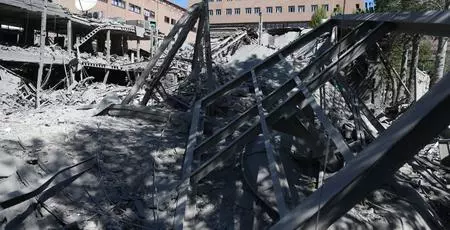
Energy-importing nations and countries near the conflict zone are bearing the heaviest burden, while poorer countries with limited reserves are facing the most severe strain.
Georgieva said the shock is already spreading across sectors, affecting fuel availability, fertiliser supplies, transport systems, and remittances. “People are hurting,” she said, citing shortages in several regions due to “sheer lack of quantities.”
She pointed to rising stress across Asia, where energy rationing and supply disruptions are impacting economic activity, and warned that higher fertiliser costs could further push up global food prices.
The IMF chief also cautioned that even a ceasefire would not bring immediate relief, saying the effects were already “baked in.” Delayed shipments and infrastructure damage would continue to weigh on the global economy, she said.
She added that some energy facilities could take years to recover fully, noting it could take “three to five years to reach full capacity” in affected gas infrastructure.
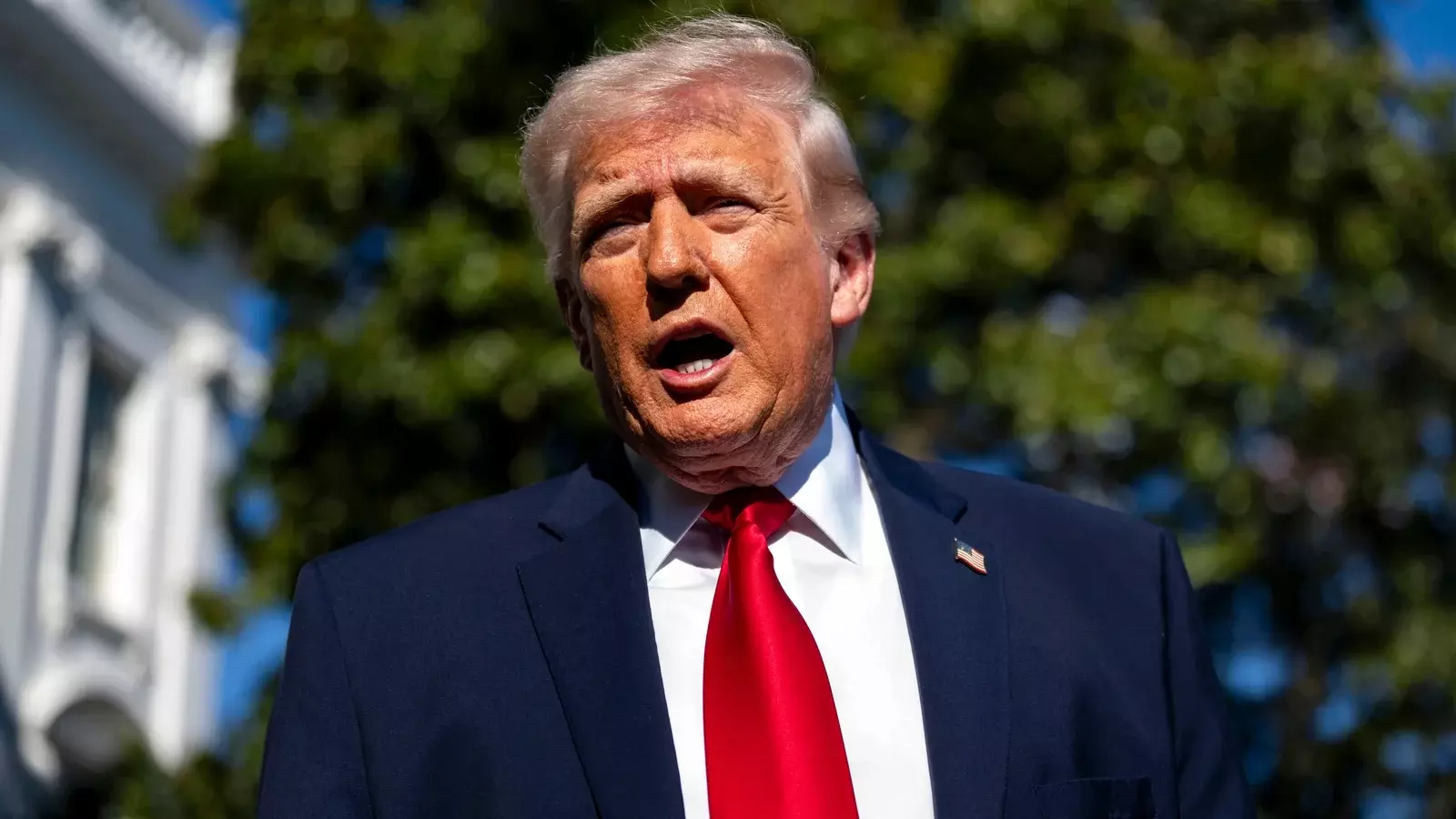
In the United States, Georgieva said the impact has been relatively moderate compared to other regions, but warned that rising prices could slow progress in bringing inflation under control.
“Everybody feels the pinch of prices going up,” she said, adding that it acts like “a tax on their income,” particularly affecting low-income households.
She noted that the IMF had expected global growth to improve in 2026, but now anticipates a downgrade depending on the duration of the conflict and recovery in production.
Despite multiple global shocks in recent years, she said the world economy has so far shown resilience. However, she urged policymakers to act carefully, warning against fuel trade restrictions and calling for targeted support for vulnerable groups.
“Help the most vulnerable… and do it on a temporary basis,” she said.
Georgieva also said the crisis could accelerate long-term shifts such as energy diversification and efficiency, but warned that adjustment would take time, adding that “in the meanwhile, people and businesses will be hurting.”
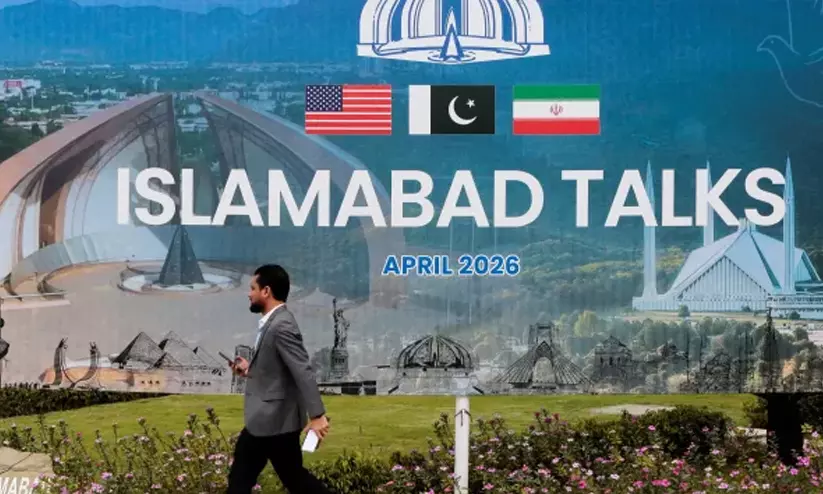
The conflict has disrupted one of the world’s most critical energy corridors, intensifying its economic impact across continents and heightening concerns over global stability.
With IANS inputs