

















House rebukes Trump: 4 Republicans join Democrats to curb Iran war
text_fields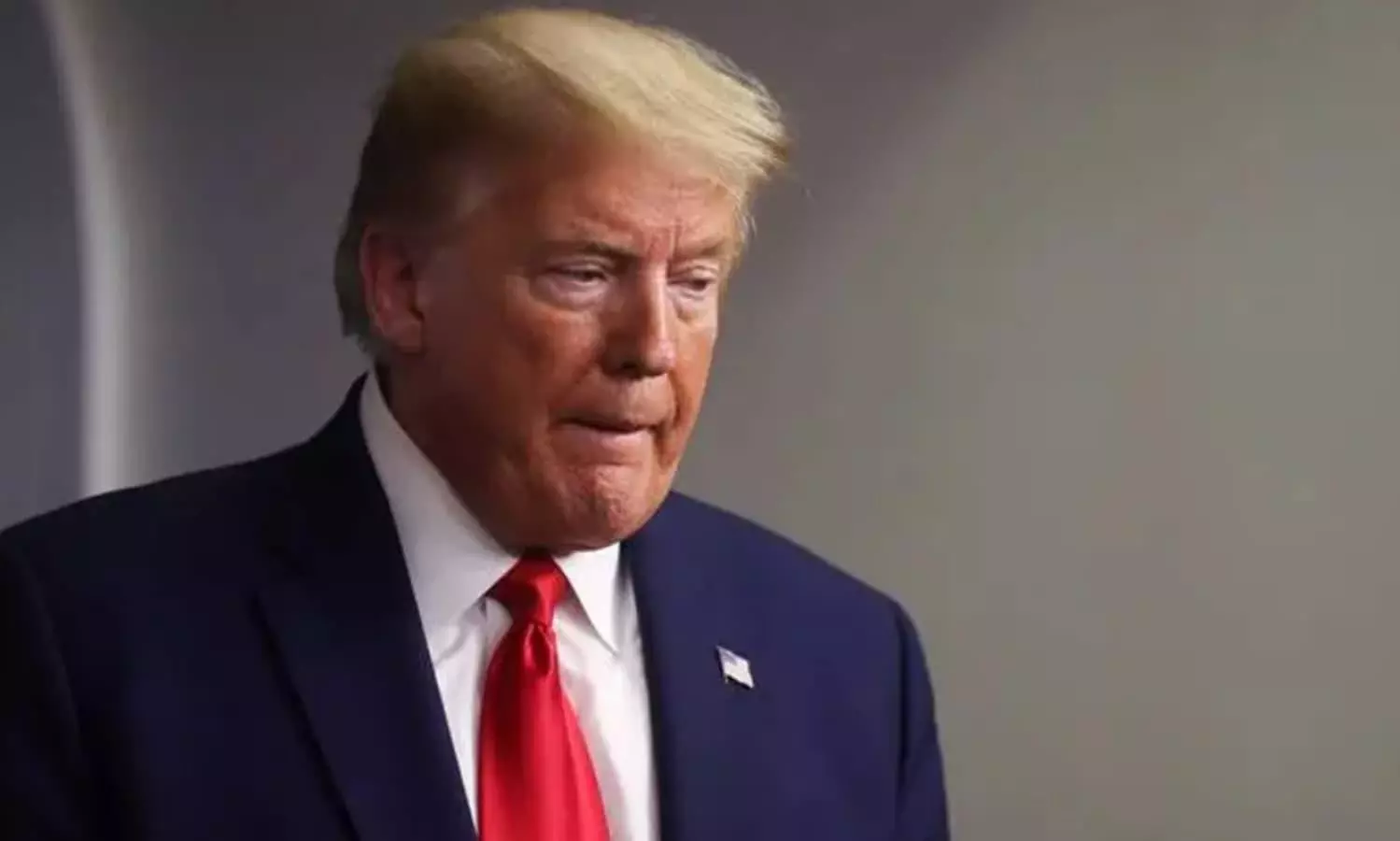

Washington: The US House of Representatives on Wednesday passed a war-powers resolution limiting President Donald Trump’s authority to continue military operations against Iran, with four Republicans joining Democrats in a 215–208 vote, Reuters reported.
The measure directs the president to withdraw US forces from Iran unless Congress declares war or specifically authorises the use of military force. Representative Gregory Meeks, a sponsor of the resolution, described the vote as a turning point that shows growing Republican concern over open-ended Middle East wars.
The resolution is largely symbolic for now. It must also clear the Senate and survive a likely presidential veto to take effect. Legal questions about the constitutionality of war-powers resolutions persist even if both chambers pass similar language. Seven House members did not vote; no Democrats opposed the measure.
Separately, the House approved a procedural motion that clears the way for a floor vote on the Ukraine Support Act, which would provide security assistance to Ukraine in its war with Russia. That motion advanced after petitioners gathered the 218 signatures needed in May; six Republicans and one independent supported it.
The vote is one of several recent signs of Republican pushback against Trump. Lawmakers have criticized his plan for a “weaponization” fund to aid political allies and questioned his appointment of Bill Pulte, a mortgage regulator, as acting director of national intelligence.
Democrats urged Trump to seek congressional authorisation for the Iran conflict, arguing the Constitution vests war-declaring power in Congress and warning that the prolonged campaign has increased costs for Americans, including higher producer prices. The administration, however, maintains the military action is essential to prevent Iran from developing a nuclear weapon.
The resolution’s path is uncertain: It faces Senate consideration and almost certain presidential opposition, leaving its practical impact in doubt even as it marks a rare bipartisan effort to curb presidential war-making authority. Further votes have not been scheduled.