















Nvidia CEO says AI has ‘0% chance’ of destroying the world by 2030
text_fields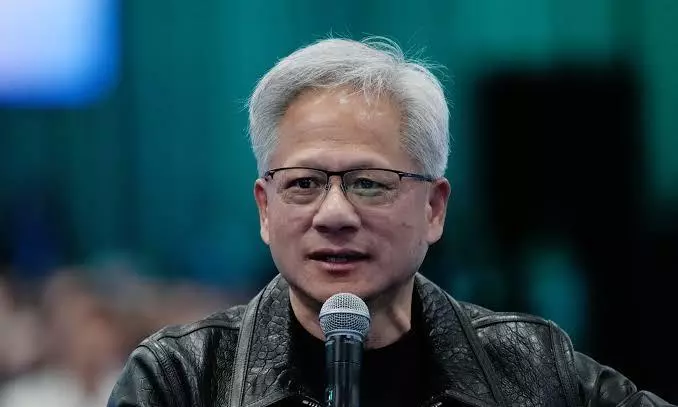

Nvidia CEO Jensen Huang has dismissed predictions that artificial intelligence could cause human extinction by 2030, calling such claims irresponsible “doomsday narratives”.
Huang, co-founder and CEO of the AI chipmaker, said in an interview with CBS News that there was “0% chance” 2030 would mark the end of the world. He was responding to claims by former Anthropic researcher Jacob Coxon that AI could become “superhuman” and kill humanity within the decade.
Coxon's remarks, which were backed by two other Anthropic researchers, have fuelled debate over the risks and oversight of increasingly powerful AI systems.
Anthropic has published a threat intelligence report detailing attempts by criminals, state-sponsored groups, spyware vendors, scientists and propagandists to use its AI models for activities including designing weapons, creating deadly pathogens and spying on dissidents.
Anthropic CEO Dario Amodei, OpenAI CEO Sam Altman and Elon Musk have called for the pace of AI development to be slowed.
US lawmakers have also raised concerns about risks associated with the technology.
US President Donald Trump has dismissed concerns about AI development as a “hoax” and “conspiracy”, arguing that slowing development could give China an advantage.
Huang said extinction-level predictions were “not grounded in science”. He also argued that existing laws covering cybersecurity, unauthorised access, damages and contractual liabilities should be applied to AI companies rather than creating exemptions from those laws.
Meanwhile, US Treasury Secretary Scott Bessent said the US and China had agreed to establish an AI dialogue mechanism to help contain potential risks from the technology.
The Tony Blair Institute also warned that governments face significant challenges in responding to AI's rapid development. Former British prime minister Tony Blair said AI could transform economies, education, science, labour markets, public services and national security within a decade, while institutions supporting government decision-making were not equipped for the changes ahead.