


















Soil dryness linked to rise in antibiotic resistance, study finds
text_fields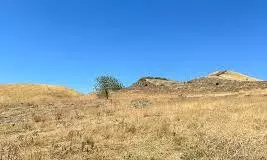

Soil dryness caused by drought may increase antibiotic resistance, according to a new study published in Nature Microbiology.
Researchers found that drier soil conditions can boost the production of natural antibiotics and create an environment that favours antibiotic-resistant bacteria.
The study, led by scientists at the California Institute of Technology, suggests climate change could play a role in worsening antibiotic resistance globally.
The team analysed antibiotic resistance data from hospitals across 116 countries and compared it with local precipitation and temperature levels. They found that regions with higher aridity showed a greater average frequency of antibiotic resistance among clinical samples.
To understand the mechanism, researchers examined soil data from multiple environments, including cropland and grassland in California, a forest in Switzerland, and a wetland in China. They observed that drought conditions increased the abundance of genes responsible for producing antibiotics, including compounds such as penicillin.
Laboratory experiments showed that reduced water content concentrates natural antibiotics in soil. This led to a sharp decline in antibiotic-sensitive bacteria, while resistant strains continued to survive without loss of fitness.
The researchers said the findings point to a previously under-recognised link between climate change and public health risks. However, they noted that the direct implications for human health are still uncertain and require further investigation.