










What a shame, this aversion of books
text_fields

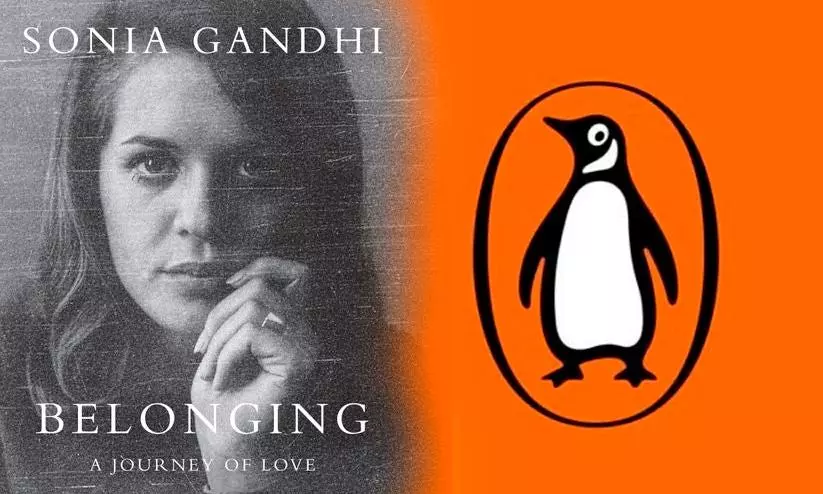
Though not the first time, books have become the main enemy of communalists now. After all, authoritarian regimes survive by banning ideas. Now, the controversy over Sonia Gandhi’s memoirs only underscores this. It occurred this time when Penguin Random House India withdrew from publishing Sonia’s book ‘Belonging: A Story of Love’. The reason was that Sonia did not agree to the changes suggested by Penguin. The statement issued by Penguin denying this obliquely confirms it. Also, Alfred A. Knopf, a sister firm of Penguin, is publishing the same book unchanged in the US. Penguin Group is also publishing it in other countries. Penguin reportedly asked to remove everything from Narendra Modi’s swear words (‘Jersey cow’) to government coups, RSS, and Chinese intrusion in India. This indicates from whom the pressure came. Penguin has bowed to the government before. When Opposition leader Rahul Gandhi mentioned in the Lok Sabha that the then Army Chief General Naravane had revealed in his autobiography that India’s political leadership had abandoned the army in Galwan, the government countered by saying that it was an unpublished book. The publishers endorsed it; but Rahul Gandhi displayed a copy of the book. Later in June, Penguin withdrew a book by graphic novelist Joe Sacco on the 2013 Muzaffarnagar massacre after it was published.
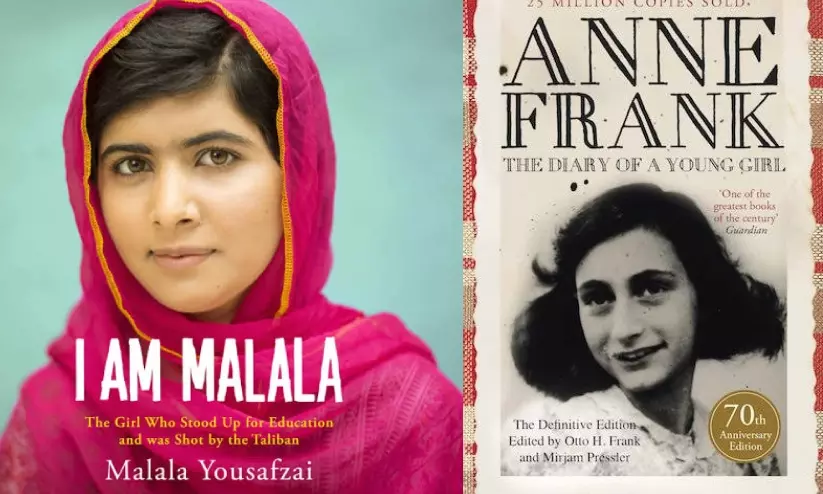
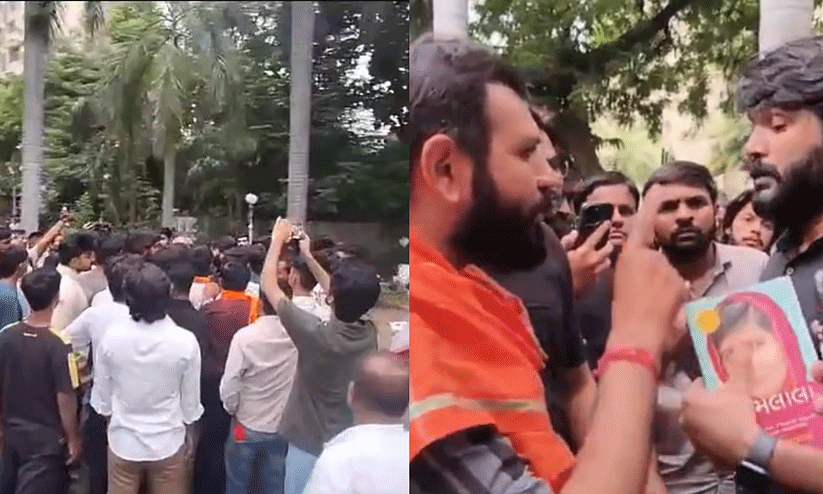
In 2014, a book by Wendy Doniger was also withdrawn under pressure from communal groups. In 2015, Perumal Murugan was forced not only to withdraw the book, but also to swear that he would not write any more books. It goes without saying that the country is facing a situation where writers and publishers have to disown and denounce their own works. Another aspect that should be read in conjunction with such incidents is the violence against books by communal forces. The other day, a book reading program in Ahmedabad was disrupted by Bajrang Dal members. The book reading was a protest against the censorship imposed on school textbooks and discussions. The autobiography of Malala Yousafzai, a Taliban victim, Anne Frank's diaries about the persecution during Hitler's era, and books by Nehru, Bhagat Singh and Ambedkar were banned by communalists. Violence affects not only freedom of expression but also the quality of academic research. Excessive centralisation of power is stifling state universities and researchers. Many subjects are being pushed out of bounds.
Funding is also being used as a weapon. A new report by NITI Aayog says that all this is curbing independent research. The severe restrictions imposed after Jammu and Kashmir was made a Union Territory have seriously affected publishing. Books by Arundhati Roy, AG Noorani, Anuradha Bhasin and others are among those banned by the authorities. Last year, 25 books were banned. University libraries are subjected to extensive censorship. Books, periodicals, research papers and digital content are all meticulously censored. Bookstores are raided. Anything can be banned with the term ‘objectionable’, a word that can be stretched in any manner; it can be subject to legal action. This trend has even reached the level of communal interference in publishers and local book reading. The restrictions on knowledge and freedom is a matter of concern to the public. This is not limited to reading. Every restriction is strangling society. Hitler did not start with creating concentration camps. He targeted the media. He restricted ideas. He banned books. He replaced truth with propaganda and history with ultranationalism. Criticising the government was considered treason. Then everything became easy. India today has to stand with its head drooping before the world as a country that fears truth and democratic debate.