








Space for demonstrations should not be deserted places
text_fields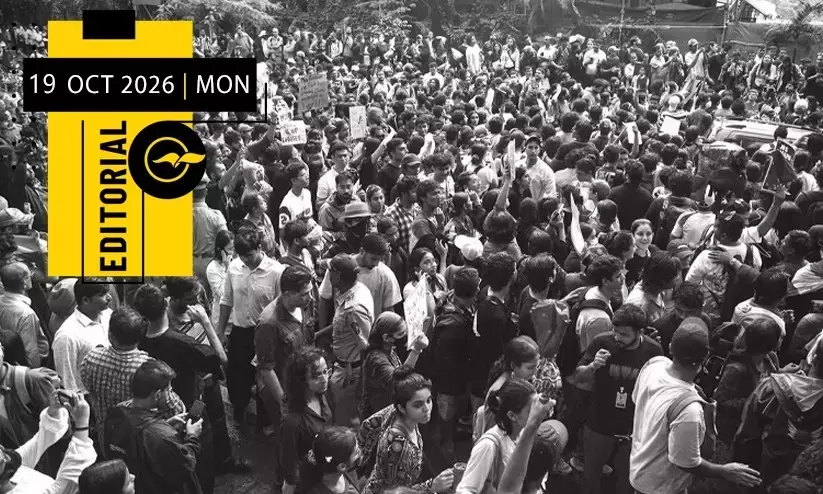

Public demonstrations serve as one of the peaceful methods through which people can express their opinions and register their protests. There is reason to suspect that the space for such expression is shrinking in India. In a democracy, the state has the opportunity to gauge public sentiment and make necessary course corrections—when platforms such as legislative bodies, the judiciary, the media, civil society, and the streets are used as their venue. This helps ensure that a ‘democratic government’ does not become anti-people. In the absence of such freedom of expression, public discontent could one day escalate into violence. In other words, freedom of expression is the very essence for the survival of democracy. However, under the Modi government, we witness a pattern of suppressing, restricting, and ultimately extinguishing the people's right to protest. The Right to Information Act has been rendered ineffective; meaningful debate in Parliament has become a thing of the past; and now, even the opportunity to protest in public grounds and on the streets is being systematically denied. Under the Constitution (Article 19(1)(b)), the right to assemble peacefully and to protest is a fundamental right. An inherent aspect of this right is that protest take place right before the face of authority. The Constitution does not imply that protests can be held in remote, unseen, and unheard-of locations; rather, it mandates in effect that people be provided with the opportunity and facilities to exercise this right in public spaces where they are clearly visible. It is the duty of the police to facilitate this.
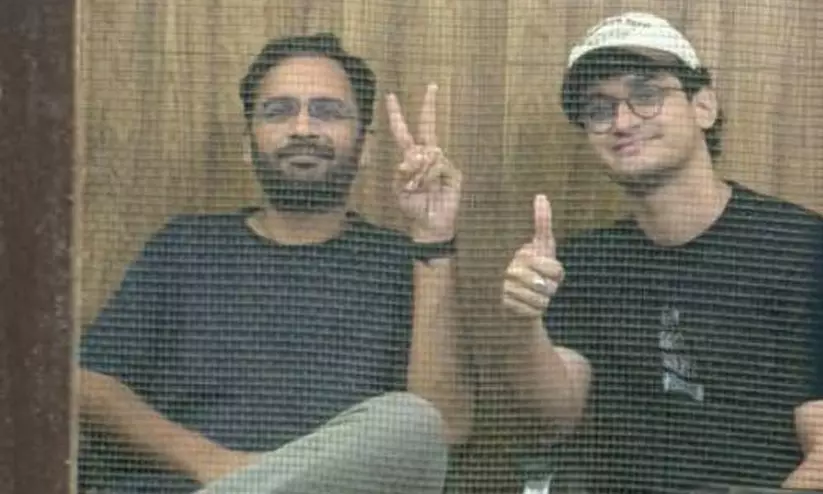
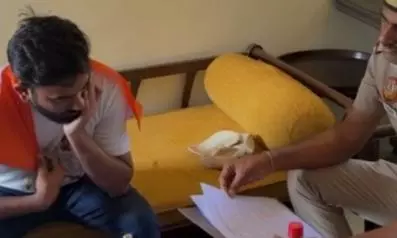
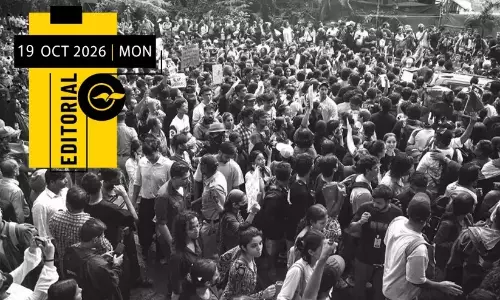
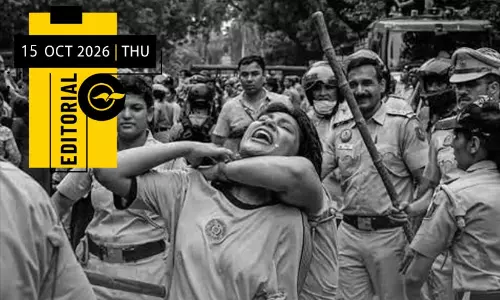
It has already become evident that the Delhi Police’s approach toward protests is undemocratic. Organisations including CJP, AISA, SFI, AISF, and Fraternity Movement informed the police that they would hold a peaceful protest at Jantar Mantar on October 10. What the police did was to employ various tactics to prevent this: they arrested activist leaders at their homes, cancelled trains, and singled out and detained passengers. Activists, as well as individuals from the media, academia, and the legal profession, were obstructed. Just the day before that—on October 9th—the Supreme Court had explicitly instructed the police not to interfere with protests or assemblies. The police disregarded all of this. In the past, the court might have initiated contempt proceedings in such instances; however, it now merely reiterates its orders while appearing helpless. On October 11th, the court repeated its directive. By invoking the lone term "security," the government has managed to keep the courts in check. Had the police not been present, the demonstrations might have proceeded more effectively; their presence not only heightened tension but also aided the aggressors. Many locations that served as venues for protests for decades are no longer functioning as such. It is, in itself, absurd that one must seek police permission to protest. Should they be the ones to decide where, how often, and in what manner a protest should take place? The alternative sites currently identified by the authorities are reportedly Ramlila Maidan, Burari Ground, and CBD Ground. Of these, only Ramlila Maidan can truly be considered to be within the city.

However, it is not available every single day; it is accessible only on days when it is not being used for its traditional purposes. Activists argue that while the two locations outside the city centre might be convenient for the authorities, they are unsuitable for protests. These sites were selected solely based on the administrative convenience of the police. The restrictions were imposed in the wake of effective protest movements. In the past, the 'Boat Club' served as a key venue, but it was banned following the farmers' agitation in 1993. Since then, the authorities have sought alternative locations—deserted areas situated kilometres away—where protests would not pose a 'nuisance' to them. It is quite possible that state governments might also emulate this strategy employed by the Union government. In other democratic nations, spaces for protest are earmarked in popular locations in close proximity to the centres of power. Legal provisions are also made for these protest zones. This is because a protest is not a ritual to be performed in a desolate area; rather, it is a way of conveying people's thoughts directly to the authorities. Protests should be permitted, subject only to minimal, necessary restrictions, in visible locations near populated areas.