











Is SIR a game of passing the ball around?
text_fields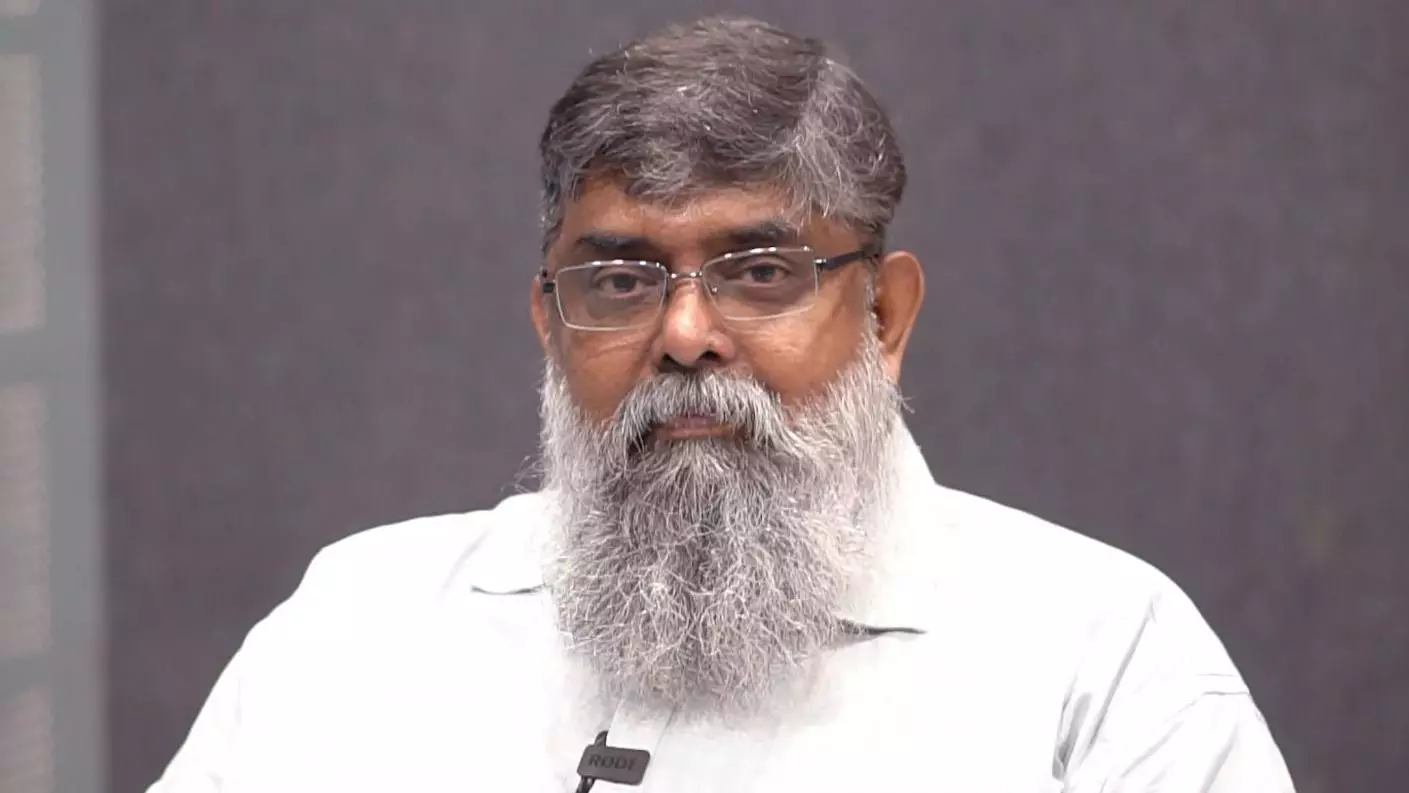

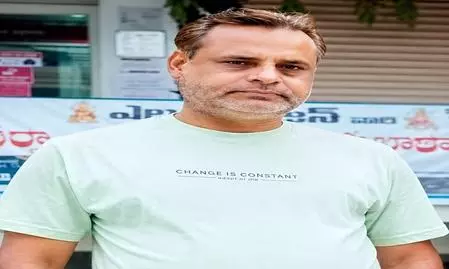
His father was a college teacher, a prominent Gandhian, a liquor prohibition activist, and the former state secretary of the Gandhi Smaraka Nidhi; his mother was also a college teacher. Following the path of both his parents, who stood for democracy and civil rights, their son chose journalism as his profession. He shifted his home, address, and vote from Thiruvananthapuram to Kolkata, and through a journalism career full of events, he crossed Bengal and carved out a place for himself at the national level in the forefront of value-based journalism, which is facing gradual extinction. He rose to become the fearless editor of The Telegraph from Kolkata. But what does it all amount to? The name of R. Rajagopal, the former editor of The Telegraph, who had been regularly casting his vote in Kolkata’s Ballygunge Assembly constituency, has been removed from the voters’ list. As if that was not enough, authorities have raised objections to the renewal of his passport, citing the absence of his name from the list prepared after the notorious Special Intensive Revision (SIR), which has struck off the names of crores of voters. While the Centre has made it clear before the Supreme Court that a passport is not a document of citizenship, the passport renewal has been withheld under the guise of the SIR (Special Intensive Revision). Since his name was removed in the SIR, he was asked to submit documents such as his matriculation certificate, his father’s death certificate, PAN card, Aadhaar card, and the gas bill of the house where he resides for the renewal of his passport. As part of the procedure, his biometrics were also collected. After everything was completed, he was instructed to appear at the Special Branch office of the Kolkata Police. When he reached there, he was told that a passport could not be issued unless his name appeared on the voter list, as his name was absent from the SIR.
What can one say about this cruel game of waking up a sleeping person by inviting them for a meal and then telling them there is no food? There is nothing to say. This is the new India led by the Narendra Modi government. There, Rajagopal, who went to the police station to get his name added to the voter list, secure his address, and obtain the travel document needed to renew his passport and visit his children in America, was sent to the Security Control Organisation. From there, he was directed to the Special Branch office. From there, he was asked to meet a senior officer. When he reached there, once again, they showed the same old SIR deletion and helplessly raised their hands. In this game of passing the ball around, Rajagopal lost his right to attend his daughter’s wedding ceremony. Among the thousands who have fallen into this trap, there are people who could not obtain a birth certificate for their child because their names were absent from the SIR. There are also those facing threats that their ration cards will be cancelled. Those who know how to follow government procedures and those who have received assistance have submitted appeals and are waiting for the mercy of the tribunal. However, among the 27 lakh people in West Bengal whose names have been removed are tens of thousands who do not even know how to file an appeal because they are unaware of these procedures. It is through declaring dots, commas, spelling mistakes, and similar issues as major discrepancies that the government is taking away people’s democratic rights and their very means of existence; and this is happening in a land where even the temple built as a symbol of national pride under the government’s patronage, the Ram Temple, has been overshadowed by those who devour temple offerings and cut into its donation funds.
The Union Government argued that the SIR was meant for the purification of the electoral roll. The Supreme Court, too, accepted that argument. A passport is a travel document; Aadhaar is a proof of residence and identity; a PAN card is a tax identification document; and a voter identity card is proof of the right to cast a vote. Then what, exactly, is the authoritative document for proving citizenship? On that matter, the Centre has still not formulated a clear policy. Instead, it is creating policy on a case-by-case basis as it sees fit. This provides an opportunity for every official and authority to frame policy according to their own ethnic, communal, or political interests. It is in this context that senior journalists suspect whether the pro-people editorial positions adopted by Rajagopal during his tenure as editor of 'The Telegraph' have worked against him. States, including West Bengal, where the SIR has been implemented, have decided to deny government scheme benefits to those whose names have been removed from the rolls, taking cover behind the Union Government’s policy of silence on the matter. Rajagopal’s experience also demonstrates how the authorities deal with citizens’ right to challenge such actions. How can a democratic system tolerate an administration that burdens citizens with the task of digging up decades-old ancestral records merely to establish their identity and place of residence?
In Rajagopal’s case, the Editors Guild, a body of editors, and the opposition have come into the picture. As he himself said, this is not the issue of a single ‘victim’; it is the issue of crores of citizens who are being made victims of suspicion by the country. No one can avoid standing in solidarity with Rajagopal. It is a struggle to reclaim a democratic system where people’s names are being erased. It is a declaration that citizens will not be left to be tossed around in a game of passing the ball. Anyone with humanity and a sense of democracy cannot stand aloof from it.