


A major warning of the disaster ahead
text_fields

With only days left for the end of this year's monsoon season, the Central Meteorological Department has released extremely worrying information. The southwest monsoon, commonly known as the monsoon, usually starts withdrawing around September 17. However, since a low-pressure area is likely to form over the Andaman Sea and adjoining areas by September 19, Kerala and other parts of the country may receive rain for a maximum of one more week. This year's monsoon has, by and large, suffered a major rainfall deficit. While the national-level deficit stands at 15 per cent, it is 28 per cent in Kerala. When we know that Idukki and Wayanad, which usually receive a lot of rainfall, have recorded a 50 per cent deficit, it is obvious that Kerala is bearing the brunt of climate change. The consequences of this in the coming days will not be insignificant. The energy crisis that we are currently facing is likely to worsen in the coming years. This lack of rain should be seen as a warning of another climate emergency that will directly affect agriculture, irrigation, human life and livelihoods.
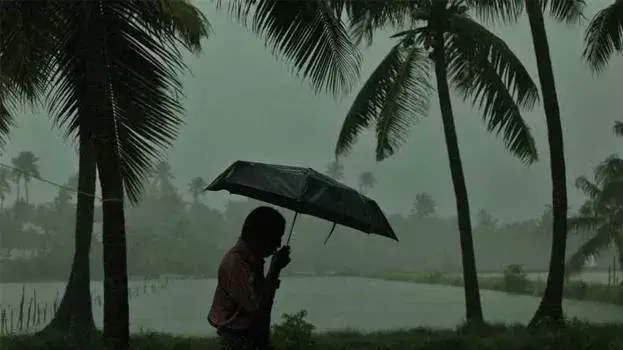
According to the Central Meteorological Department, the low-pressure area that may form today is likely to intensify into a cyclone and then move west-northwestwards towards the southern Odisha-northern Andhra coast. Under its influence, the limited rainfall that Kerala may receive could provide a temporary respite from the current summer-like heat. However, the sad reality is that it will not be enough to sustain our water resources until next June. Kerala receives an average of 2,018.7 mm of rainfall during the four-month monsoon season. As per the figures till September 17, the state has received a mere 1,380.3 mm of rainfall. In fact, it was supposed to receive 1,908.5 mm. In other words, even if there is more rain throughout the month, there will be no relief. Only six districts have received normal rainfall. It should be remembered that Idukki, where the state's major hydroelectric projects and reservoirs are located, has received only half the normal rainfall. Even after the monsoon normally withdraws, Kerala usually receives isolated rains for about two weeks until the northeast monsoon sets in. However, due to the El Niño phenomenon, the chances of that happening this time are slim. On the other hand, Kerala is also experiencing heat reminiscent of summer due to the same phenomenon. Because of this, it will be difficult to store the available rainwater until the end of next summer. Not only that, with the increase in temperature, we will also have to face the ravages of drought beyond the monsoon. In short, the Meteorological Department has not just released figures showing a lack of rain; it has also issued a clear warning about the new weather hazards that states including Kerala will face in the coming days.
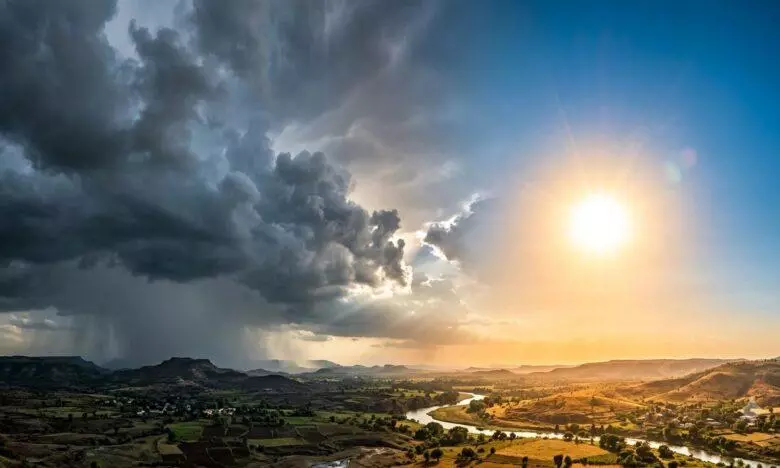
This variation shows that Kerala is currently experiencing clear indicators of climate change. This trend has been occurring intermittently for a few years. It is not the natural flow of the monsoon that has been observed over the last 20 years or so. Looking at the rainfall patterns over the past 200 years, the southwest monsoon from June to September and the subsequent northeast monsoon have remained fairly balanced and predictable. But that is not the case now: June and the first half of July often see clear skies, with hardly any clouds. Later, rainfall will increase significantly in August and September, when there should normally be less rain. Remember the 2018 floods. Even in July that year, Kerala was discussing the lack of rain. But 20 days later, the entire state was submerged in floods. This change in the pattern of monsoon distribution is simultaneously creating floods, droughts and heatwaves. Now, along with fluctuations in the distribution of rainfall, there has also been an overall shortage of rainfall too. This is sure to have far-reaching consequences. The monsoon is a weather phenomenon that has a significant impact on India's economy too. It is also the backbone of the country's agricultural sector. It is the monsoon rains that sustain our water resources to a large extent. The change in the flow of monsoon clouds and the new climate crisis it has created need to be studied thoroughly. The first thing that needs to be done is for the government and authorities to accept the reality that the climate has changed. Then, practical ways to survive in the changed climate must be urgently considered.