








US should stop 'theatre diplomacy': Iran's chief peace negotiator, Mohammad Bagher Ghalibaf
text_fields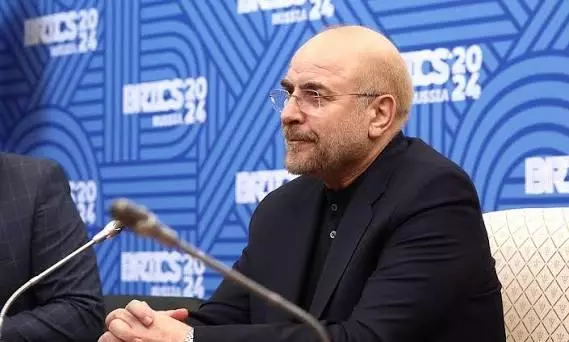
Iran's parliament Speaker and chief peace negotiator Mohammad Bagher Ghalibaf (file photo)

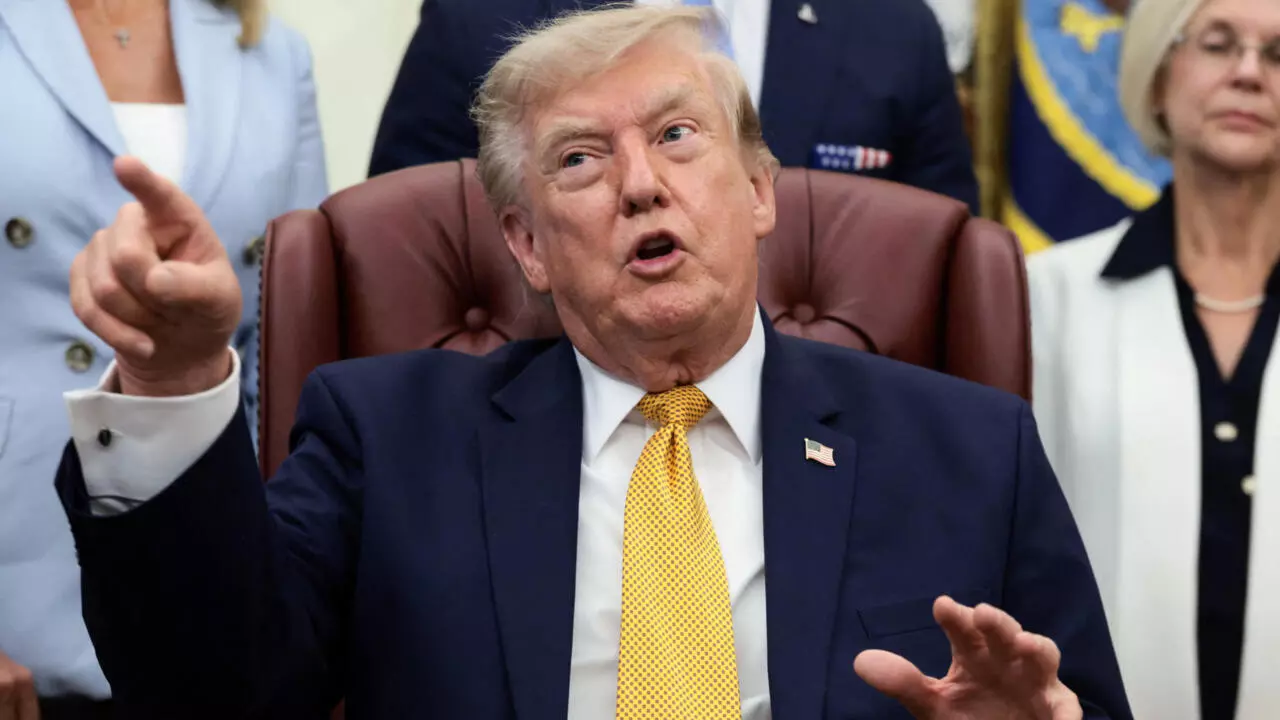
Istanbul: Amidst US indulging in a series of see-saw in war and peace postures, Iran's parliament speaker and chief negotiator in talks with the United States slammed what he described as US "theatre diplomacy on loop," referring to President Donald Trump's pattern of announcing attacks and later calling them off.
"'Massive attack coming … wait, never mind, they want to negotiate.' That’s theater diplomacy on loop," Mohammad Bagher Ghalibaf wrote on the US social media platform X, Turkey's Anadolu news agency has reported.
In the most recent dramatic declaration by the US side, Trump said negotiation with Iran was entering a crucial stage. However, Ghalibaf said the use of bullying, broken promises and fake news constituted a "failed strategy."
"Acknowledge the facts and fulfill your commitments. We don’t need more theatre," he added.
Among the few cardinal issues that stalled peace talks over the last several weeks, the most recent sticking point was the re-opening of the Strait of Hormuz. Trump said on Thursday that he is “involved” in the negotiations to reopen the Strait of Hormuz and suggested an agreement could be reached “soon.”
In the exchange of military strikes between the two countries, the US claimed to have targeted what it called military sites belonging to Iran's Islamic Revolutionary Guard Corps (IRGC). Tehran respond retaliated by hitting targets in the Gulf countries, particularly Jordan, Bahrain and Kuwait. Iran justified these strikes by calling them enemy targets as they all hosted US forces and equipment.
The escalation came despite a memorandum of understanding signed by the US and Iran in June and the launch of negotiations toward a final agreement.
The talks later stalled over disagreements concerning security guarantees and freedom of navigation through the Strait of Hormuz, one of the world's most strategically important routes for energy supplies and global trade.
Trump last week threatened to hit Iran "very hard," warning he could target energy facilities, bridges and power plants. He later said he halted the strikes because Iran agreed to restart talks.
According to multiple US media outlets, the US forces ran short of military equipment for long range attacks and interceptors, but the reports were denied by Trump who said the US had enough military equipment to destroy the enemy. The media reports cited the shortage as reason for the US holding off further attacks on Iran.