

















Kuwait doctors perform remote robotic surgery on women with uterine cancer
text_fields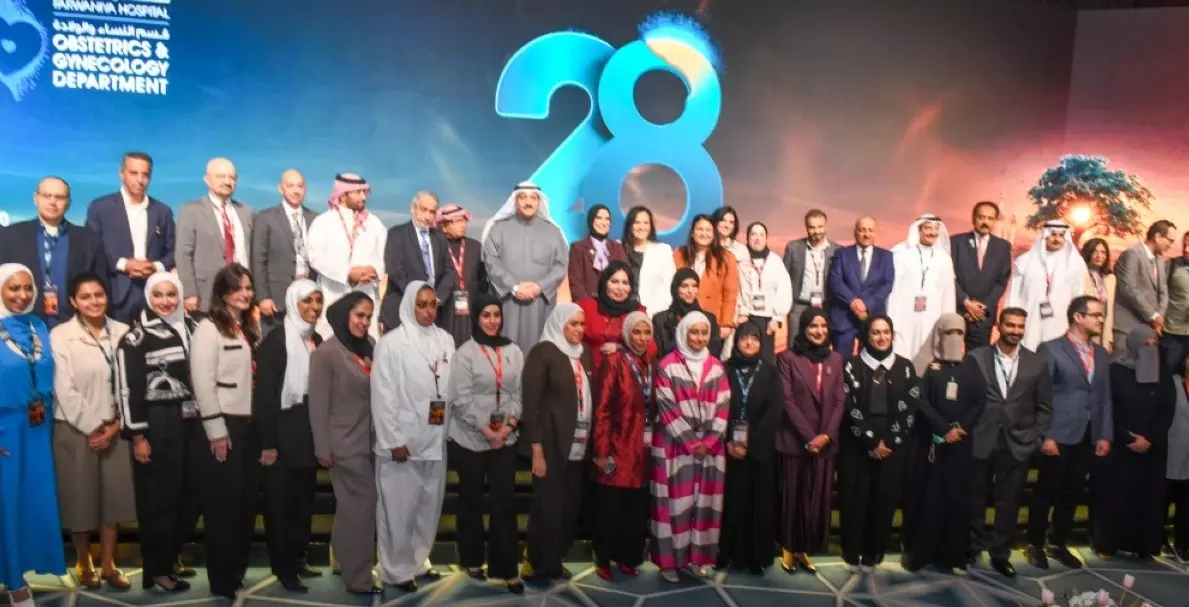

Doctors at Kuwait’s new Maternity Hospital have successfully operated on a fetus with a form of spina bifida while still in the womb, in a procedure carried out with support from specialists in Britain.
The hospital’s first successful fetoscopic operation to treat myelomeningocele was among the developments highlighted at the opening of the 28th Obstetrics and Gynecology Conference on Thursday.
Dr Amal Al-Khader, head of the obstetrics and gynecology departments and conference chair, said the procedure was made possible through cooperation between national medical teams and an international partnership with King’s College Hospital in Britain.
She also highlighted advances in fetal care, including blood transfusions performed in the womb and precision surgery.
The developments form part of wider efforts to give women access to specialist treatment while reducing complications and recovery times.
At Farwaniya Hospital, around 56 vaginal natural orifice transluminal endoscopic surgery procedures, known as vNOTES, have been performed. Al-Khader said the expansion of minimally invasive surgery and training in the technique was intended to help women return to their daily lives sooner.
She said the hospital’s first robotic operations for early-stage uterine cancer had all been completed successfully without significant complications.
Health Minister Dr Ahmad Al-Awadhi highlighted five successful robotic operations at Farwaniya Hospital to treat early-stage uterine tumors.
He also cited three successful remote robotic operations on patients with uterine cancer, performed through cooperation between the gynecological oncology unit at Sheikh Jaber Al-Ahmad Hospital and the obstetrics and gynecology department at Jahra Hospital.
Al-Awadhi said the procedures demonstrated the capabilities of Kuwaiti medical teams and their use of advanced technology and artificial intelligence to improve care.
Sharing expertise between hospitals and using modern technology could also extend access to specialist skills, he said.
The minister said women’s, mothers’ and children’s health was fundamental to society’s wellbeing and stability. The ministry remained committed to improving obstetrics and gynecology services and providing diagnostic and treatment options that meet international standards.
He pointed to progress in fertility medicine, infertility treatment and in vitro fertilization. The Kuwait Institute for Medical Specializations and specialist training programs were important to preparing future obstetricians and gynecologists, he added.
Despite those advances, Al-Awadhi said substantial responsibilities remained.
Citing World Health Organization estimates, he said more than 700 women died every day in 2023 from preventable causes linked to pregnancy and childbirth. Around one in six people experience infertility during their lifetime, he added.
He said those figures demonstrated the need for better care, prevention and early diagnosis, alongside wider access to maternal healthcare and lifesaving services.
Al-Khader described women’s health as a cornerstone of society and its development.
The three-day conference, organised by the Council of Obstetrics and Gynecology Departments at Farwaniya Hospital, brings together specialists and consultants from Kuwait and overseas under the theme “Shaping the Future of Women’s Health.”