















Maharashtra tightens dental laboratory rules after complaints over substandard crowns and unqualified technicians
text_fields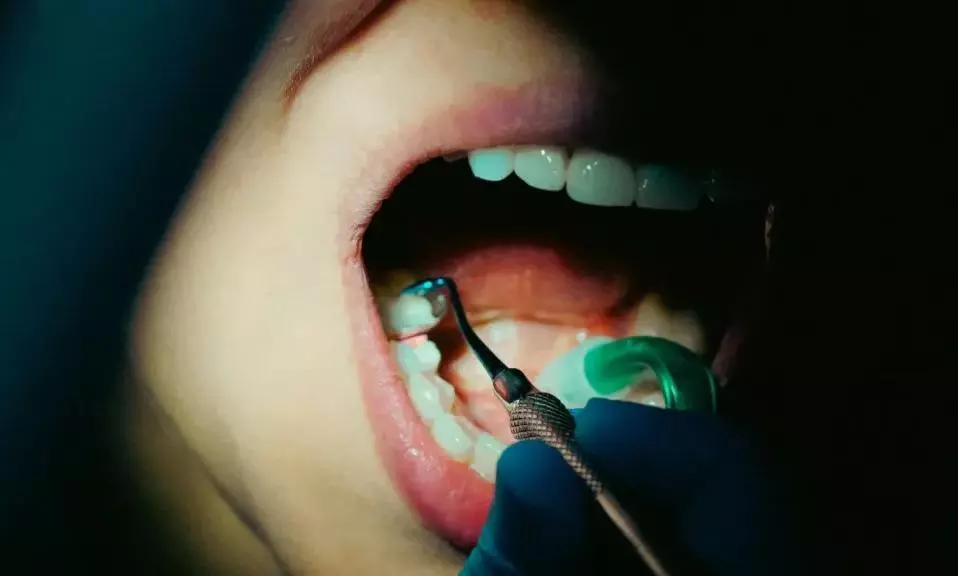

Mumbai: The Maharashtra government has tightened regulation of dental laboratories, technicians, manufacturers and suppliers after more than 350 complaints since 2014 raised concerns about unqualified personnel and the alleged use of substandard materials, including melted Rs 5 coins, in dental crowns. The new guidelines, issued on November 6, empower the Food and Drug Administration (FDA) to inspect laboratories and collect samples.
Medical Education Minister Hasan Mushrif said the move was aimed at protecting patients and ensuring that dentists use standardised materials. “Dentists also have to be careful and ensure that they provide patients with standard material,” he said.
The complaints have highlighted the risk of using unsuitable metals for crowns, bridges, dentures and other dental appliances. A Rs 5 coin is made of nickel brass, containing 75 per cent copper, 20 per cent zinc and 5 per cent nickel, but currency coins are not designed or tested for prolonged use inside the mouth.
An unregulated alloy may have poor corrosion resistance and inadequate strength. In the moist environment of the mouth, corrosion can release metal ions into saliva and surrounding tissues, potentially causing allergic reactions, inflammation or irritation. A poorly made crown may also fit badly or fail prematurely, increasing the risk of decay in the underlying tooth.
Maharashtra has around 66,000 registered dentists but only about 1,200 qualified dental technicians, according to Director of Medical Education and Research Dr Pallavi Saple. The shortage of trained personnel and the absence of a clear monitoring framework have allowed untrained operators and questionable practices to continue.
The new rules seek to separate clinical and laboratory responsibilities. A dentist will diagnose the patient, decide the treatment plan and specify the required prosthetic, while a qualified technician will manufacture the crown, bridge, denture, artificial tooth or other appliance according to the dentist’s instructions.
Under the guidelines, a written or electronic prescription from a dentist will be mandatory for manufacturing crowns, bridges, dentures, artificial teeth, implant-supported prosthetics and orthodontic appliances. The prescription must include the dentist’s name and registration number, the patient’s reference number, the type of device, material, shade and other technical specifications.
Dental technicians will not be allowed to accept orders directly from patients or undertake diagnosis, treatment planning or clinical treatment. The resolution also incorporates the National Dental Commission’s October 13, 2026, directions requiring laboratory work to be assigned only to technicians with recognised qualifications and valid registration with a state dental council.
Manufacturers of dental medical devices covered under the Medical Devices Rules, 2017, must obtain the applicable manufacturing licence. Sellers and distributors must apply to the State Licensing Authority in Form MD-41 and obtain a registration certificate in Form MD-42, while importers must hold the prescribed import licence.
Dentists must purchase materials only from licensed manufacturers, importers or registered sellers. They must maintain batch or lot numbers and supplier details in patients’ treatment records, so that a defective product or adverse reaction can be traced and the device recalled.
Laboratories must maintain records of raw materials, prescriptions, manufacturing processes, quality checks, sterilisation, dispatches and complaints. Serious adverse events must be reported through the Indian Pharmacopoeia Commission’s Materiovigilance Programme of India and the FDA.
FDA drug inspectors will inspect dental laboratories, sellers and dental establishments under the Drugs and Cosmetics Act, 1940, and the Medical Devices Rules, 2017. They will also collect samples to check compliance.
Manufacturing or selling medical devices without the required licence, or dealing in spurious or adulterated products, can invite legal action. The guidelines aim to make every stage, from sourcing dental materials to fitting the finished product, more accountable.