


Iran–US nuclear negotiations advance on guiding principles as Vance signals limits
text_fields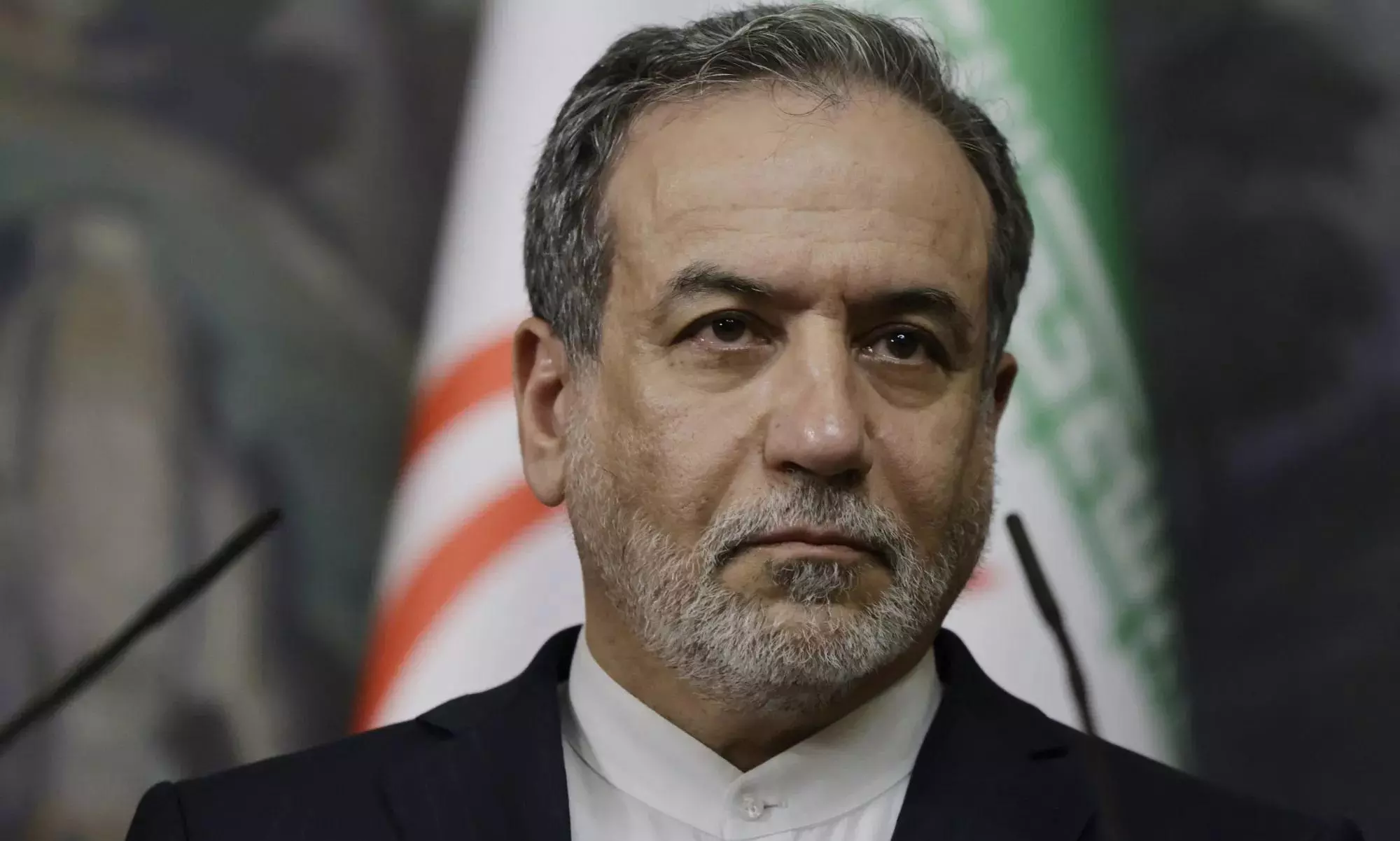

The second round of talks around Iran’s nuclear programme in Muscat, Oman, seemed to have found common ground between Iran and the US, as Iran’s Foreign Minister Abbas Araghchi dropped a word of hope and US Vice President JD Vance echoed the same, albeit with a caveat, while, in response to a US warship in the waters of the Middle East, Iran’s Supreme Leader warned of a weapon that could sink a warship.
The negotiations, mediated by Oman and held in Geneva after an earlier round in Muscat, unfolded against a backdrop of heightened military choreography in the Gulf, yet both delegations signalled that the diplomatic aperture, though narrow, remained open.
Araghchi described the discussions as constructive and averred that broad agreement had been reached on a set of “guiding principles”, upon which draft texts for a potential accord would now be fashioned, even as he conceded that substantial labour lay ahead before the chasm between the two adversaries could be bridged.
In Washington, Vance struck a more variegated note, asserting that while the parties had agreed to reconvene, President Donald Trump had delineated “red lines” that Tehran had yet to acknowledge or work through. Chief among these, he intimated, was the categorical injunction that Iran must not obtain a nuclear weapon, and he underscored that diplomacy, though preferred, was not an inexhaustible enterprise, for the President reserved the prerogative to declare its terminus should it prove futile.
The stumbling blocks remain formidable because Tehran insists that any arrangement must preserve its uranium enrichment on domestic soil and deliver tangible economic reprieve from sweeping US sanctions, whereas Washington has demanded the curtailment, if not cessation, of enrichment and has sought to widen the ambit of talks to encompass Iran’s missile arsenal and regional posture.
Iran, for its part, has repudiated zero enrichment as anathema to its sovereignty and has declared its missile capabilities non-negotiable.
Meanwhile, the United States has deployed two aircraft carriers to the Gulf, including the USS Abraham Lincoln positioned within striking distance of the Iranian coast, and Iran has responded with conspicuous military drills by the Islamic Revolutionary Guard Corps in the Strait of Hormuz, intermittently restricting maritime traffic under the rubric of security precautions.
In a characteristically defiant flourish, Khamenei proclaimed that while a warship is indeed a dangerous weapon, more perilous still is the instrument that can consign it to the seabed, thereby entwining diplomacy with deterrence in a precarious equilibrium.