















The 80s are back - but have we lost our sense?
text_fields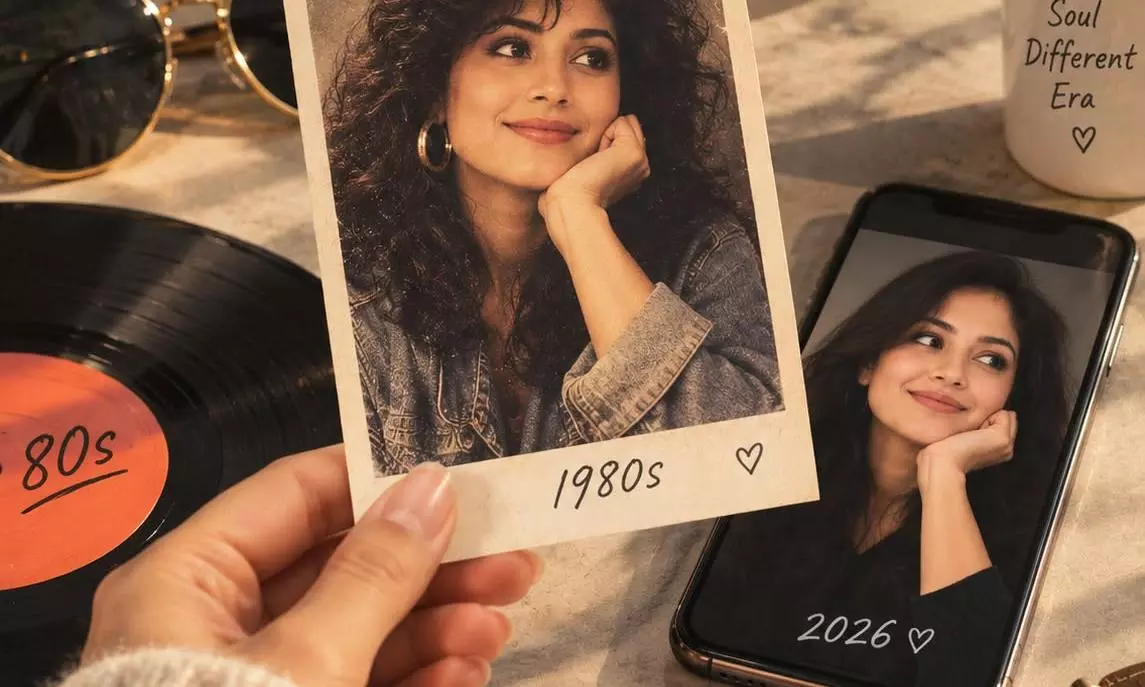

Suddenly, social media has travelled back four decades.
Our feeds are overflowing with AI-generated versions of ourselves dressed, styled and photographed as though we had stepped straight out of the 1980s. Big hair, vintage clothes, old-fashioned cameras, dramatic poses and thousands of people eagerly transforming their present-day faces into an imaginary past.
At first, it looks harmless.
Then you pause and wonder: Why are we all doing this?
There is something fascinating and slightly crazy about watching millions of people simultaneously participate in a trend simply because everyone else is doing it. We are not merely using technology; we are allowing technology to decide what deserves our attention.
The psychology behind it is understandable. Nostalgia can make us feel connected to family, culture and memories. It can offer temporary emotional comfort in an increasingly complicated world.
But nostalgia is one thing.
Manufacturing a past that never happened is another.
Most people creating these images weren't actually living the glamorous version of the 1980s they are portraying. AI is creating an idealised fantasy: perfect hair, perfect skin, perfect clothes, perfect lighting and a carefully constructed version of life.
And we happily share it as though it were a forgotten memory.
Perhaps the more interesting psychological question is not "Why do people like retro photographs?" but “Why do we feel compelled to participate in every digital trend?”
Fear of missing out plays a role. Social validation plays a role. So does the simple dopamine hit of seeing ourselves transformed into something visually interesting.
But being able to do something does not necessarily mean we need to do it.
AI can create almost anything. That doesn't mean everything it can create deserves our time, attention or personal data.
There is also an irony here.
We are using some of the most advanced technology in the world to escape into an imaginary era that people often romanticise as simpler and less digital.
Maybe the 80s aren't really what we are missing.
Maybe we are missing ourselves, before every moment had to be photographed, edited, posted and approved.
The trend will pass, as trends always do. The bigger question is whether we will learn to pause before jumping onto the next one.
Because being technologically advanced should also mean becoming mentally discerning.
Just because AI can recreate the past doesn't mean we should spend our present living inside it.