







‘Super El Niño’ threatens to drive ‘table fishes’ to colder waters?
text_fields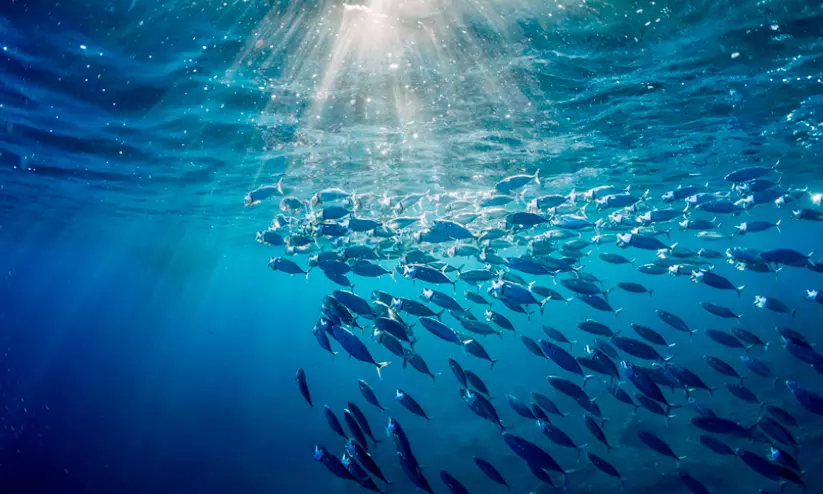

Kochi: Kerala’s fishing sector could face a major setback as a strengthening El Niño threatens to disrupt fish availability, with table fishes consumed by humans, such as sardines, mackerel, and anchovies, potentially moving towards colder northern waters or deeper parts of the sea, according to a report by experts. Such shifts could force fishermen to venture farther offshore, driving up fuel costs and cutting earnings.
The report was prepared by Kerala University of Fisheries and Ocean Studies (KUFOS) Vice-Chancellor Dr A. Bijukumar and Dr Abhilash S., director of the Advanced Centre for Atmospheric Radar Research at Cochin University of Science and Technology (CUSAT).
The report warns that the developing El Niño could intensify between November and February, worsening unpredictable ocean conditions and disrupting established seasonal patterns of fish availability. Surface-dwelling fish are particularly sensitive to temperature changes, potentially making familiar fishing grounds less productive.
The ICAR–Central Marine Fisheries Research Institute (CMFRI) has separately warned that El Niño-related warming could reduce oil sardine availability in Kerala in 2027.
The report also highlights how climate pressures can combine with human-induced threats, including overfishing, plastic pollution, oil spills, coastal development and dredging, further straining marine ecosystems.
As El Niño can be forecast months in advance, the experts have called for fisheries management to incorporate climate predictions. Proposed measures include fishing restrictions, seasonal closures and marine habitat restoration.
Kerala Matsya Thozhilali Aikya Vedi president Charles George described the findings as a warning of a looming crisis for the agriculture and fisheries sectors.
The term “Super El Niño” is used in the report’s context, although India’s meteorological authorities do not officially recognise it as a separate category.