












Power cuts put Satheesan govt under pressure as left steps up attack
text_fields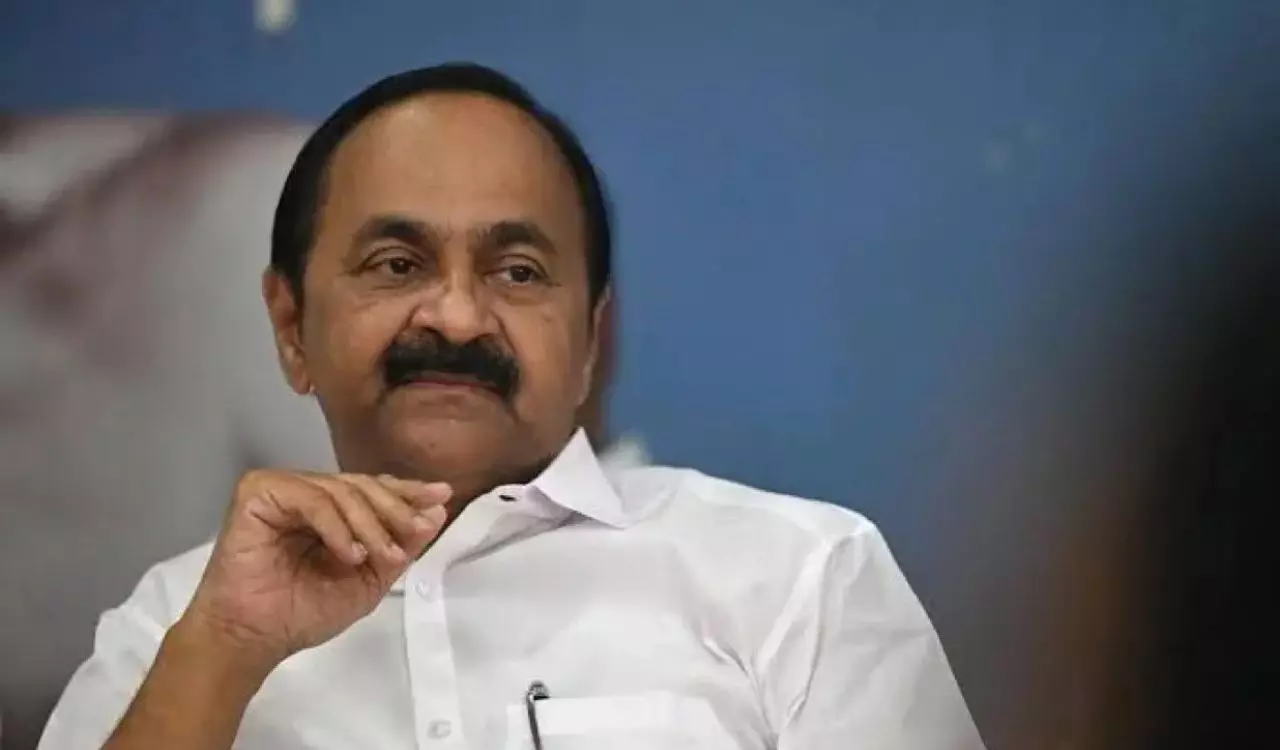

Thiruvananthapuram: The ongoing power crisis is fast emerging as the first major political and administrative challenge for the V.D. Satheesan government, with the Left Opposition intensifying its attack over continuing power cuts and contrasting the situation with the previous decade, when Kerala had largely remained free of scheduled power restrictions.
The uncertainty has increased following Electricity Minister Sunny Joseph's admission on Tuesday that no final decision has been taken on purchasing power from NTPC at around Rs 30 a unit.
Joseph said procuring electricity at such a high cost would place a huge financial burden on the state and would require Cabinet approval. He also declined to specify how long the current power cuts would continue, saying the government was exploring all possible options to resolve the crisis at the earliest.
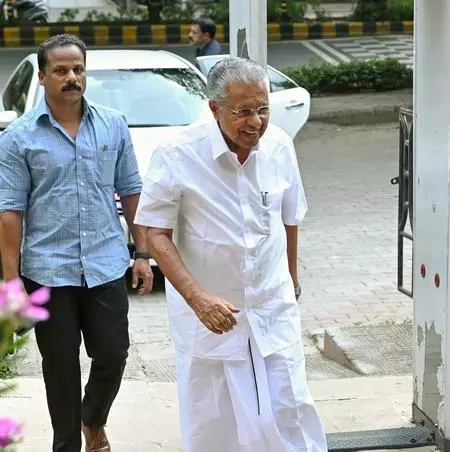
The CPI(M)-led Left Opposition is using the shortage to portray the new government as incapable of managing the power sector, pointing out that routine power cuts had virtually disappeared during the 10 years of the Pinarayi Vijayan government.
The political challenge for the Satheesan government is that consumers are now directly experiencing the impact of the shortage, rather than simply relying on statistics about power availability.
However, power sector experts argue that the present crisis cannot be viewed merely as a failure to procure enough electricity at short notice.
Engineering physicist and power sector expert K.S. Manoj said the shortage had exposed deeper vulnerabilities in Kerala's power system, including its dependence on external power, volatile procurement costs and the absence of sufficiently strong long-term planning.
“The immediate question is the cost of keeping the system running. If 300 MW were to be purchased continuously at Rs 30 per unit, the power bill alone would work out to about Rs 2.16 crore a day, or nearly Rs 65 crore for 30 days. The actual financial impact, however, would depend on the quantity procured, duration and contractual terms,” Manoj said.
He said the Kerala State Electricity Board (KSEB) needed a full-time professional Chairman and Managing Director with expertise in power-system management.
Manoj said the issue should not turn into an IAS-versus-technocrat debate, but stressed that whoever heads the utility should have the technical competence, managerial ability, accountability and continuity required to handle decisions involving power procurement, generation, transmission and electricity markets.
The crisis has also revived questions about Kerala's long-term power strategy.
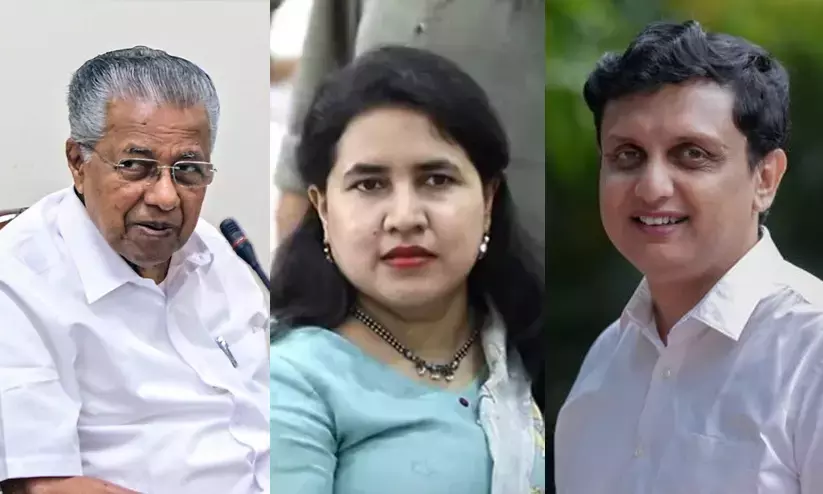
The state needs an integrated 15-20 year plan covering demand growth, hydropower availability, renewable energy, electric vehicles, energy storage and the possibility of power shortages at the national level, Manoj said.
The focus, he said, should shift from merely adding installed capacity to ensuring firm and flexible power during periods of peak demand.
Hydropower and pumped-storage potential, battery storage, renewable generation, demand response and a diversified power procurement portfolio would all need to form part of such a strategy.
The present crisis is also likely to bring Kerala's earlier long-term power purchase agreements under renewed scrutiny.
Such agreements, Manoj argued, should be subjected to independent technical and financial reviews rather than becoming a subject of political blame.
For the Satheesan government, however, the immediate political reality is more pressing.
Until supply stabilises, the Opposition is likely to continue presenting the power cuts as evidence of administrative failure. The government, meanwhile, will have to explain why a state that went through a decade with virtually no routine power cuts is now facing a shortage severe enough to consider purchasing electricity at an exceptionally high price.
The real test, therefore, is not merely how the government gets Kerala through the present shortage, but whether it can prevent the cycle of shortage, emergency procurement, high costs and renewed shortage from becoming a recurring feature of the state's power sector.
With IANS inputs