








Nizamuddin, first detainee in Kerala blasts case, shares ordeal of police surveillance
text_fields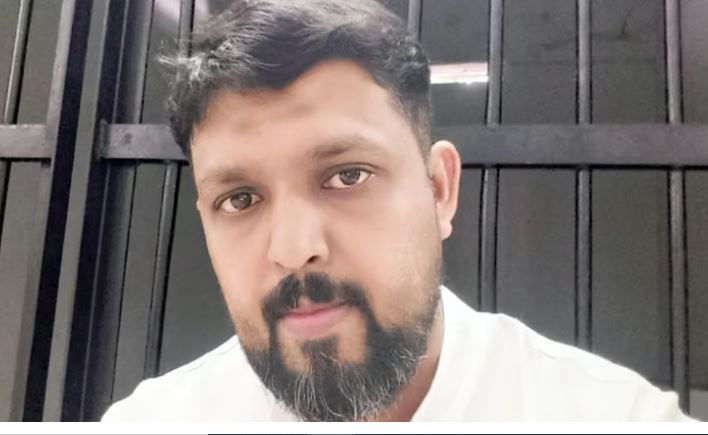
Nizamuddin Panayikulam

Kochi: The recent bomb blast at a Jehovah’s Witness prayer meeting in Kerala’s Kalamassery has exposed the deep-rooted prejudice and hate in society towards the Muslim community.
Soon after the explosion, one of the acquits in the now-absolved Panayikulam SIMI Meet case in 2006, Nizamuddin Panayikulam, a resident of Aluva in Kerala, found the police at his doorstep, a usual thing according to him, showing an instance of a recurring pattern of harassment.
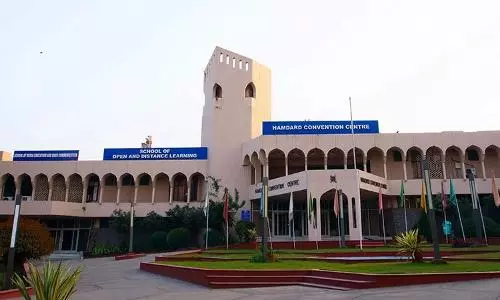
Though he was acquitted in the sedition case filed in 2006 by both the High Court and the Supreme Court, the past case still continues to haunt Nizamuddin, making the police a usual visitor to his house whenever any communally sensitive cases come up and the blasts at the Zamra Convention Centre did the same.
Nizamuddin, who had organized a meeting in Aluva on the role of Muslims in Indian Independence, was accused of sedition in 2006. Although acquitted in 2019, the shadows of suspicion linger.
The recent events at Zamra Convention Centre compelled the police to once again question Nizamuddin, along with Abdul Sathar, a convict in the Vagamon SIMI Camp case.
In an interview given to The News Minute, Nizamuddin shared the harassment that he and his family are facing in the name of police surveillance.
Despite being released after Dominic Martin claimed responsibility for the blasts, Nizamuddin took to Facebook, sarcastically noting, "It seems like there are only two terrorists in Aluva. In any case, we were saved by Martin, who killed Jehovah’s Witnesses who don't sing the national anthem. He surrendered and we were spared."
This sardonic commentary reflects Nizamuddin's frustration with the persistent surveillance he endures.
The events unfolded on Sunday, October 29, when Aluva police apprehended Nizamuddin following the Zamra Convention Centre bombings that claimed three lives. Alongside him, Abdul Sathar, a convict in the Vagamon SIMI Camp case, was also summoned for verification.
In a conversation with TNM, Nizamuddin expressed the toll this recurring surveillance takes on his family. Forced to change rented houses multiple times in the last four years, his children grapple with the disruption of changing schools. The spectre of police visits looms large, triggered by any incident deemed "communally sensitive."
Reflecting on his 2006 sedition case, where he was accused of organizing a meeting on the role of Muslims in Indian Independence, Nizamuddin recounted the NIA's allegations of seditious speeches. Although accused number 4, he faced a 12-year jail sentence, serving three-and-a-half years without parole.
The High Court's 2019 acquittal found no evidence of the alleged speech, emphasizing that even if made, it wouldn't constitute sedition. The Supreme Court reaffirmed this acquittal in September.
Yet, Nizamuddin remains entangled in a cycle of police detentions, even after the 2022 Coimbatore car blast. The lack of explanations or questions during these detentions adds to the frustration of an individual who thought legal absolution would offer respite.