
















KSEB secures 600 MW from Himachal Pradesh to ease power shortage
text_fields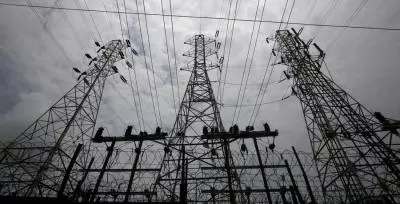
Photo: IANS

Kochi: The Kerala State Electricity Board (KSEB) is hopeful of bringing an end to the power cuts that sparked widespread protests across the state after Himachal Pradesh State Electricity Board (HPSEB) agreed to supply 600 MW during peak hours from October 1 to May 31, 2027.
The KSEB began receiving the additional 600 MW from Himachal Pradesh on Thursday, helping the state avoid power cuts over the past two days.
KSEB chairman M G Rajamanickam said six teams of senior officials, led by directors, had travelled to several North Indian states over the past two weeks to explore the availability of surplus power, The New Indian Express reported.
Although Kerala managed to secure short-term supplies from Bihar and Andhra Pradesh, both states were unable to continue the arrangements.
HPSEB subsequently offered to supply 600 MW during peak hours, providing relief to the KSEB amid the shortage. The Himachal board had earlier offered 210 MW of round-the-clock power at Rs 10 per unit. The KSEB turned down that proposal as surplus power was available during the daytime, while electricity could also be purchased from the power exchange for around Rs 2 per unit.
Under the latest agreement, HPSEB will supply 600 MW during peak hours at Rs 14.5 per unit. Although the tariff is relatively high, the KSEB considers the arrangement more economical than purchasing 210 MW round the clock at Rs 10 per unit.
Rajasthan and Tamil Nadu had also been negotiating with Himachal Pradesh for power procurement. Rajamanickam said the intervention of Chief Minister V D Satheesan helped Kerala secure the agreement.
He said the severe shortage of electricity in the power exchange during peak hours had left the KSEB with little choice but to accept Himachal Pradesh's offer. Meanwhile, the chief minister has reportedly contacted Himachal Pradesh Chief Minister Sukhvinder Singh Sukhu directly, seeking a reduction in the tariff.
The possibility of a Super El Niño has also influenced the KSEB's decision, as the country could face heightened power demand during the summer. Weather forecasts have warned of a possible drought in North India and heavy rainfall over the southern peninsula. A drought could increase electricity demand, while coal shortages could further aggravate the situation.
With the additional supply from Himachal Pradesh, Kerala's available peak-hour power has increased to around 4,795 MW. Average consumption in the state ranges between 4,500 MW and 5,000 MW, and the KSEB expects any increase in demand to be met through additional purchases from the real-time power market.
The board is also looking to commission five Battery Energy Storage System (BESS) projects to ease pressure during peak-demand periods. The 15 MW Mulleria project is scheduled to be commissioned on October 14, while projects at Mylatty (125 MW), Sreekandapuram (40 MW), Areecode (30 MW) and Pothencode (40 MW) are expected to become operational by the end of the year.
KSEB sources said delays in the availability of battery systems had held up the commissioning of these projects.