
















Weak monsoon, El Niño raise risks for India’s rabi crops
text_fields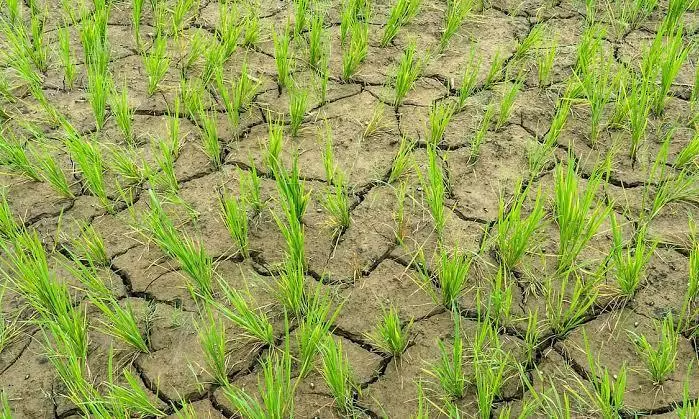

Weak monsoon conditions and strengthening El Niño conditions could pose risks to India's rabi crops, with drier winter conditions potentially reducing soil moisture and an early rise in temperatures affecting crop development.
Gaura Sengupta, chief economist at IDFC Bank, told NDTV that El Niño conditions tend to result in a drier winter, which could affect moisture availability during the harvest season.
Mahesh Palawat of Skymet Weather Services said an early rise in temperatures in February or March could adversely affect rabi crops, which generally require a prolonged winter period for seed formation and yield quality. He added that one or two intense western disturbances could bring heavy snowfall and rainfall to the western Himalayas and adjoining plains, but may not be enough to offset a broader moisture deficit.
The risks could increase if El Niño conditions persist into early 2027, potentially resulting in a shorter winter and higher temperatures.
India's cumulative rainfall was 15% below the long-term average as of September 18, while rainfall during the week was 9% below normal, according to the Kotak Monsoon Tracker. Eighteen of the country's 36 meteorological subdivisions had recorded deficient rainfall, with southern, eastern and northeastern regions continuing to face shortages.
June rainfall was 40% below the long-period average, followed by a 3.5% surplus in July. August rainfall was 16% below average, while September rainfall so far is 21% below average. El Niño conditions have strengthened, and the Indian Ocean Dipole turned negative in August.
Weak monsoon, El Niño raise risks for India’s rabi crops
Weak monsoon conditions and strengthening El Niño conditions could pose risks to India's rabi crops, with drier winter conditions potentially reducing soil moisture and an early rise in temperatures affecting crop development.
Gaura Sengupta, chief economist at IDFC Bank, told NDTV that El Niño conditions tend to result in a drier winter, which could affect moisture availability during the harvest season.
Mahesh Palawat of Skymet Weather Services said an early rise in temperatures in February or March could adversely affect rabi crops, which generally require a prolonged winter period for seed formation and yield quality. He added that one or two intense western disturbances could bring heavy snowfall and rainfall to the western Himalayas and adjoining plains, but may not be enough to offset a broader moisture deficit.
The risks could increase if El Niño conditions persist into early 2027, potentially resulting in a shorter winter and higher temperatures.
India's cumulative rainfall was 15% below the long-term average as of September 18, while rainfall during the week was 9% below normal, according to the Kotak Monsoon Tracker. Eighteen of the country's 36 meteorological subdivisions had recorded deficient rainfall, with southern, eastern and northeastern regions continuing to face shortages.
June rainfall was 40% below the long-period average, followed by a 3.5% surplus in July. August rainfall was 16% below average, while September rainfall so far is 21% below average. El Niño conditions have strengthened, and the Indian Ocean Dipole turned negative in August.
Kharif acreage was 1.4% lower than a year earlier, while rice acreage fell 3.8%. Pulses acreage increased 1.4%. Cotton and sugarcane acreage declined 0.9% and 0.7%, respectively. Reservoir levels were 9.1% below the long-term average.
Vegetable prices rose 1.3% week-on-week and were 36.1% higher than a year earlier. Edible oil prices increased 1% from the previous week and 13.8% year-on-year, while pulses were 3% more expensive than a year earlier.
Kharif acreage was 1.4% lower than a year earlier, while rice acreage fell 3.8%. Pulses acreage increased 1.4%. Cotton and sugarcane acreage declined 0.9% and 0.7%, respectively. Reservoir levels were 9.1% below the long-term average.
Vegetable prices rose 1.3% week-on-week and were 36.1% higher than a year earlier. Edible oil prices increased 1% from the previous week and 13.8% year-on-year, while pulses were 3% more expensive than a year earlier.